
List of nicknames of European Royalty and Nobility: D-F
D - E - F
D
- "The Dancer: John FitzGerald, 19th Knight of Glin 1
- "The Dane" (Fr. le Danois):
- "The Daring" (Rus. Udaloy):
- Henry XI of Hohenstein
- Mstislav II, Prince of Halych (1170–1228) 4
- Vasili, Prince of Vereya (d.1495)
- "The Dark", "Dark-eyed" (Tur. Kara, Wel. Ddu):
- "The Darling Lord" (Pol. Panie Kochanku): Karol Stanisław "Panie Kochanku" Radziwiłł 7
- "The Darling of Mankind" (Lat. Deliciœ Generis Humani): 8
- Titus
- Vespasian
- "The Dauphin" (Dut. Dolfijn, Fr.le Dauphin, It. il Delfino, Lat. Delphinus, Pol. Delfin, Por. Delfim, Sp. el Delfin):
- Charles VII of France
- Louis of France (1661–?), son Louis XIV of France and Maria Theresa of Spain
- Louis (d.1765), natural son of Louis XV of France and Madame de Pompadour
- "The Deacon" (Cat. el Diaca, Dut. de Diaken, Ger. der Diakon, It./Sp. el Diacono, Por. o Diacono):
- Bermudo I of Asturias
- "The Deaf" (Rum. Surdul, Sp. el Sordo):
- Gerard I, Prince of Piombino, 1843–1866
- Pedro Lopez de Ayala (d.1484), 2nd Count of Fuensalida 9
- Peter, Prince of Wallachia
- "The Dean": Conrad VI, Duke of Silesia-Oleśnica, 1416–1427
- "The Debonair" (Fr. le Debonnaire, Ger. der Höfliche):
- Boleslav II of Bohemia
- Ferdinand I of Portugal
- Frederick I, Duke of Brunswick-Lüneburg, 1445–1457, 1471–1478
- Henry III, Duke of Brabant
- Hugh V of Lusignan
- Ivan II of Russia 10
- Louis the Pious
- Matthias I, Duke of Lorraine
- Rudolph II of Austria
- Rudolph I of Bohemia
- "The Decadent", "Degenerate" (Fr. Degener, le Denature, Ger. der Entartete, der Unartige, Sp.el Degenerado, el Malo, el Malvado, Swe. den Vanartade): Albert II, Margrave of Meissen
- "The Deceitful" (Ger.die Betrügerische, Por. a Aleivosa):
- Domnall I of Ailech, co-King of Ireland, 565–566
- Leonor Telles de Menezes
- "The Deed-Doer" (Dut. de Geweldige, Fr. l’Accomplisseur-de-Hauts-Faits): Edmund I of England
- "The Deep-Minded": Aud the Deep-Minded
- "The Defender of the Church" (Fr. le Défenseur de l'Église): Charles I of Sicily
- "The Defender of Christendom (Lat. Christianae Fidei Defensor): John Hunyadi 11
- "The Delight of Mankind": Titus 12
- "The Desired" (Fr. le Desire, Lat. Desideratus, Por. o Desejado, Sp. el Deseado):
- John Francis, Count of Nassau-Siegen, 1691–1699
- Louis XVIII of France
- Sancho III of Castile
- Sebastian I of Portugal
- "The Destroyer" (Fr. le Mangeur): John (Hugh) II, Lord of Harnes, 1285–1302 13
- "The Destroyer of Armies": Matthias Gallas 14
- "The Destroyer of the English": Niall More O'Neill, Lord of Tyrone15
- "The Determined" (Por. o Determinado): Antonio, Prior of Crato
- "The Devil" (Dan. Djævelen, Fr. le Diable, Ger. der Teufel, Sp. el Diablo, Swe. Djävulen):
- Hugh VI of Lusignan
- Robert the Magnificent
- "Robert of Bellême, 3rd Earl of Shrewsbury 16
- John Hunyadi
- Thierry of Lorraine, Lord of Autigny (d.1241), son of Ferry I of Lorraine
- Vlad II Dracul
- "The Devil of Lancut" (Pol. Diabeł Lańcucki): Stanisław Stadnicki 17 18
- "The Devil's Son" (Draculea, Draculya): Vlad III the Impaler 19
- "The Devil's Student": Stephen II Kotromanic
- "The Devil's Tool": Alice Perrers20
- "The Devoted", "Devout" (Geo. Tavdadebuli): Demetre II of Georgia
- "The Diamond": Ercole d'Este I 21
- "The Diamond Prince": Alexander Kurakin
- "The Diana of Her Day": Elisabeth of Bavaria 22
- "The Digger Prince": Edward VIII of the United Kingdom
- "The Dignified" (Oirdnidhe): Aedh VI of Ailech, 34th King of Ireland
- "The Diplomat" (Por.o Diplomata): Carlos I of Portugal
- "The Disinherited" (Cat. el Desheredat, Fr. le Déshérité, Sp. el Desheredado):
- Alfonso de la Cerda (1270-1324) 23
- Pedro Gonzales de Lara
- "The Dodger" (Fr. le Louche):
- Bernard I of Armagnac
- Vasili, grandson of Vasili I of Moscow
- "The Do-Gooder": Alfonso III of Aragon
- "The "Do-Nothing", Idle", "Indolent", "Lazy", "Slothful", "Sluggard", "Stagnant" (Fr. le Faineant, l'Indolent, Ger. der Faule, It. il Pigro, il Stagnante, il Lento, Pol. Gnuśny):
- Clovis II
- Gothelo II, Duke of Lower Lorraine
- Louis V of France
- Mieszko II Lambert
- Otto V, Duke of Bavaria
- Rudolph III, King of Burgundy
- Wenceslaus, King of the Romans
- "The Dog Loan" (Gr. Skyloïōannēs): Kaloyan of Bulgaria 24
- "The Dog's Son" (Gae. mac Con): Lugaid mac Con
- "The Dolls of the Blood", "Royal Dolls": 25
- Anne-Benedicte of Bourbon-Conde, wife of Louis, Duke of Maine and illegitimate son of King Louis XIV of France
- Marie-Anne of Bourbon-Conde, wife of Louis-Joseph, Duke of Vendôme
- Marie-Therese of Bourbon-Conde, wife of François Louis, Prince of Conti
- "The Don Quixote of Russian Absolutism": Nicholas I of Russia 26
- "The Dowdy Duchess: Elizabeth Bowes-Lyon 27
- "The Downcast": Henry of Reuss (d.1367)
- "The Dragon" (Ger. der Drache, Rum. Dracul):
- Vlad II Dracul
- Vuk Grgurević
- "The Dragon of Albania": Skanderbeg
- "The Drawn Sword of Islam": Turgut Reis 28 29
- "The Dream King": Louis II of Bavaria 30
- "The Driver of Europe" (Fr. le Cocher de l'Europe): Étienne François, duc de Choiseul 31
- "The Drowned" (Rum. Inecatul): Vlad Inecatul, Prince of Wallachia
- "The Drunk", "Drunkard", "Drunken", "Sot" (Cze., Pol. Metystes, Dut. de Dronkene, Fr. l'Ivrogne, le Sot, Ger. der Säufer, der Trunkene, Gr. Methysos, Pol. Pijak, Por. o Alcoólatra, Rus. Kvashnya, Sp. el Bebedor, el Beodo, el Borracho, el Ebreo, Tur. Mest, Sarhos):
- Charles III of France
- Michael III
- Selim II 32
- Vasily I of Vladimir (1241-1276)
- Wenceslaus, Holy Roman Emperor
- "The Drunken Duke": Charles Howard, 11th Duke of Norfolk 33
- "The Duchess of Pork: Sarah, Duchess of York
- "The Duellist": Richard FitzGerald, 21st Knight of Glin 34
- "The Duke of Yob": Andrew, Duke of York 35
- "The Dull": Hugh (1294-1342), Lord of Douglas 36
- "The Dumb Lady": Joan of Scotland (1428–1486), Countess of Morton, a daughter of James I of Scotland, was a mute.
- "The Dung-Named" (Gr. Copronymus, Por. Coprônimo, o Chamado Esterco, Sp. Copronimo): Constantine V 37
- "The [warf" (Kleining): Olaf I, King of the Isle of Man, 1115–1137
- "da Collavechio": Alessandro de' Medici, Duke of Florence 38
- "da Verucchio": Malatesta (I) Malatesta (1212–1311)
- "dal Pollice": Ulrich I, Count of Württemberg
- "Dall": Muirchertach O'Brien, son of Donald O'Brien (d.1194), King of Thomond
- "dall'Occhio": Malatestino Malatesta (died 1317)
- "Dame de Beauté": Agnes Sorel
- "Dark Man" (Gae. Fear Dorcha): Matthew O'Neill
- "das Mercês": Henry II of Castile
- "das Weltwunder": Albert IV, Duke of Austria
- "Ddyrnllwg" (Fr. au Pommeau Rutilant, It. Impugnatura Scintillante): Cadell Ddyrnllwg, King of Powis
- "de Bienfaite": Richard Fitz Gilbert
- "de Bricasard": Ranulph le Meschin, 1st Earl of Chester
- "de Clare": Richard Fitz Gilbert
- "de Duce:"
- Berthold III (1256–1284), Duke of Spoleto
- Conrad IV (1251–1284), Duke of Spoleto
- Conrad V of Spoleto (1257–1276)
- Rainald IV of Spoleto (1257–1276)
- "d'Enfer": Thierry of Lorraine (d.1241), Lord of Autigny
- "de Montrate": William I, Viscount of Bearn, 1224–1229
- "d'Oisy": 39
- Fastre d'Oisy, Viscount of Tournai
- Fastre II d'Oisy (1075-1111), Viscount of Tournai
- "de Mont-Cathan": William I, Viscount of Bearn, 1224–1229
- "de la Cerda" (Dut. van het Haar, Eng. of the Hairs):
- Ferdinand de la Cerda, Infante of Castile
- "de la Paz": Elizabeth of Valois
- "de la Poix": Charles II of Hungary
- "de Lomme": Berengar, Count of Namur (875-932)
- "de Tonbridge": Richard Fitz Gilbert
- "de Weldadige Schenker": Henry II of Castile
- "den Fredlöse": Edgar the Aetheling
- "den Fullkomlige (Swe.): John II of Portugal
- "den Jarnharde (Järnhårde): Henry II, Count of Holstein (1317–1382)
- "den Storlåtne Møya (Storlatne Moya): Gyda of Hordaland, wife of Harald I of Norway
- "den Unge": Valdemar III of Denmark
- "der Abbacher": Otto IV, Duke of Bavaria, 1310–1334
- "der alte Schwarzgraf": Frederick VII, Count of Hohenzollern, 1333–1379
- "der Andere": Henry of Reuss (1647–1670)
- "der Apostelgleiche": Vladimir I of Kiev
- "der Bauernjörg": George III, Truchsess of Waldburg in Wolfegg and Zeil (1488–1531)
- "der Bogener": Henry IV of Oldenburg, Count of Wildeshausen, 1233–1271
- "der Edle Ritter": Prince Eugene of Savoy 40
- "der Einfältige": Frederick IV of Thuringia (1384-1440)
- "der Ernste":
- Ernest, Count of Ottenburg-Grogling
- Rupert II, Elector Palatine of the Rhine
- "der Erwerber" (Gatherer): John II of Nuremberg
- "der Feiste: Dedo of Wettin (d.1190) 41
- "der Flaminius": Gerard I of Guelders
- "der Friedsame": Louis III, Landgrave of Hesse (1402–1458)
- "der Gegürtete":
- Lambert II, Count of Louvain (992–1062)
- John I, Margrave of Montferrat, 1292–1305
- Kazimierz II, Duke of Poland, 1177–1194
- "der Gewaltige": Otto III of Orlamunde
- "der Glückselige": Botho III, Count of Stolberg (1467–1538)
- "der Gottseelige": John II, Duke of Bavaria
- "der Gütige": Louis IV, Elector Palatine of the Rhine (1424–1449)
- "der Hagere": Henry, Duke of Mecklenburg-Stargard, 1417–1466
- "der Harte": Rupert II, Elector Palatine of the Rhine
- "der Heldenmütige": Albert, Duke of Saxony
- "der Hinkende": Alexander, Count Palatine of Zweibrücken, 1490-1514
- "der Henker": Henry III of Mecklenburg-Schwerin, 1379–1383
- "der Kindermacher": Johann II of Kleve-Mark
- "der Kirchenstifter": Barnim III, Duke of Pomerania-Stettin, 1344-1368
- "der Kneissl", "der Knäufel": Stephen III, Duke of Bavaria
- "der Kuche": Ashot II, King of Georgia, 923–954
- "der Kunstmäzen": Ludwig I of Bavaria
- "der Pfeffersack": Henry VI, Vogt of Weida-Ronneburg, 1219–1255
- "der Prager: John III, Margrave of Brandenburg, 1267–1268
- "der Rasende": Henry I, Count Palatine of the Rhine, 1045–1060
- "der Rauhe": Conrad I, Count of Peilstein (1114–1168)
- "der Rauschebart": Eberhard II, Count of Wurttemberg, 1344–1392
- "der Redliche": Adolf, Count Palatine of the Rhine, 1317–1327
- "der Scheerer": Rudolf II, Count of Tubingen in Herrenberg (d.1277)
- der Schütz": Ulrich, Duke of Pomerania-Stettin (1589-1622)
- "der Schweinehirt": Ivailo of Bulgaria
- "der Spillendreher": Barnim IX, Duke of Pomerania-Stettin (1501-1573)
- "Der Städtegründer": Barnim I, Duke of Pomerania-Stettin (d.1278)
- "der Strassburger": Friedrich of Hohenzollern (d.1365)
- "der Turkenlois" (Turkish Louis): Louis William, Margrave of Baden-Baden
- "der Verruckte'': Selim I
- "der Vielgeliebte" (Dut. de Veelgeliefde): Ulrich V, Count of Württemberg, (1413–1480)
- "der Winderspenstige": Henry I of Austria
- "der Zollner": Frederick I, Count of Zollern (1055–1125)
- "Decanski": Stefan Decanski 42 43
- "Dechant": John, Duke of Silesia (d.1439)
- "Demoiselle de Luxemburg": Jeanne of Luxembourg 44
- "Dentatus": Hamon de Creuilly (d.1047), 6h Count of Corboile
- "De-sh-uî tres" (a pun on dixhuit): Louis XVIII of France
- "Dicorus" (Gr. Dikoros, one eye blue and one black): Anastasius I (emperor), Byzantine Emperor
- "Digera" (the Strong):
- Sigurd the Dane
- Siward, Earl of Northumbria
- "Dindaethwy": Cynan Dindaethwy ap Rhodri 45
- "Diogenes": Romanus IV
- "Dirty Harry": Prince Henry of Wales 46
- "Dismal": Daniel Finch, 8th Earl of Winchilsea 47
- "Dismal Jimmy": James II of England 48
- "Dizzy": Benjamin Disraeli, 1st Earl of Beaconsfield 49
- "Dolgiy": Ivan II, Prince of Rostov-Borissoglebsk, 1418–?
- "Dolgoruky": Ivan of Obolensk 50
- "Don Dismallo": 51 52
- "Don Diego": Daniel Finch, 8th Earl of Winchilsea 53
- "Don Fadrique" (Dut. Don Frederik): Fadrique Álvarez de Toledo, 4th Duke of Alba
- "Don Ferrante", "Ferrante": Ferdinand I Naples
- "Donskoi" (of the Don):
- Dmitri Donskoi
- Dmitri III, Prince of Uglich, 1584–1591
- "Donzel" (A young squire or knight's attendant): Henry of Burgundy (1035–c.1074)
- "Douro": Arthur Wellesley, 1st Duke of Wellington
- "Dragases" (Gr. Dragasēs): Constantine XI
- "Dragutin" (Fr. Dragoutine): Stefan Dragutin
- "Drengot":
- Rainulf Drengot, 1st Count of Aversa
- Rainulf, Duke of Apulia (d.1139)
- Rainulf I, Count of Aversa (d.1045)
- Rainulf II, Count of Aversa (d.1048)
- Richard I of Capua
- "du Cornet": William I of Baux, Prince of Orange(1170–1218),
- "Dubh": Eoin MacDonald of the Isles (1326–1387), 1st Lord of the Isles
- "Dubh na Roimhe": Colin Campbell of Glenorchy (1428–1489), 1st Laird of Glenorchy
- "Dushan": Stefan Dusan
E
- "The Eagle" (Fr. l'Aigret):
- "The Eagle of Brittany": Bertrand du Guesclin 57
- "The Eaglet", "Baby Eagle" (Fr. l'Aiglon, It. l'Aquilotto, Sp. el Aguilucho): Napoleon II of France 58
- "The Earl of Wool": Thomas Butler, 7th Earl of Ormonde 59
- "The Earring" (Rum. Cercel): Petru Cercel
- "The Ecclesiastic" (Fr. l'Ecclésiastique):
- Jean III of Preuilly, Count of Vendome, 1211–1217
- Martin I of Aragon
- "The Eclipsed Consort": Catherine de' Medici 60
- "The Educator" (Fr. l'Éducatrice, Por. a Educadora): Maria II of Portugal
- "The Elder" (Cze. Stary, Fr. l'Ancien, Ger. der Altere, It. il Vecchio, l'Anziano, Lat. Major, Rum. cel Batrin, Rus. Vereiskiy, Swe. den Aldre):
- Archambaud II, Sire de Bourbon
- Archambaud V, Count of Perigord, 1369–1395
- Adarnase II, King of Georgia, 830–867
- Barisan of Ibelin
- Basarab Kaiota, Prince of Wallachia, 1473-1477
- Botho I, Count of Stolberg-Stolberg (1403–1455)
- Burchard of Mansfeld
- Christian I of Oldenburg-Delmenhorst
- Conrad I, Duke of Carinthia
- Conrad IV, Duke of Silesia
- Cosimo de' Medici
- Dmitri of Nizhny Novgorod (1365–1383)
- Dmitri IV, Grand Prince of Moscow (d.1383)
- Dionysius I of Syracuse
- Edward the Elder
- Engelbert I of Sponheim (1046–1096), Margrave of Istria
- Eric II, Duke of Brunswick-Calenberg
- Francis of Carrara, Lord of Padua(d.1393)
- Frederick IV, Elector of Saxony
- George Frederick I of Hohenlohe
- Gerhard I of Hallermund
- Grimoald the Elder
- Haakon IV of Norway
- Heinrich XIV of Reuss-Greiz (1564–1572)
- Helmuth von Moltke the Elder 61
- Henry, Duke of Mecklenburg-Stargard, 1417–1466
- Henry, Lord of Falkenberg (d.1335)
- Henry I of Austria, Duke of Modling (1158–1223)
- Henry IV, Duke of Brunswick-Lüneburg 62
- Henry I, Count of Munsterberg (1448–1498)
- Henry I of Reuss (d.1572)
- Henry I of Reuss-Obergreiz (1647–1681)
- Henry II of Austria, Duke of Modling (1182–1236)
- Henry VIII of Brunswick
- Henry XIV, Duke of Bavaria
- Heinrich XIV of Reuss-Greiz (1564–1572)
- Hermann I of Hesse
- Inge I of Sweden
- Joachim of Pomerania-Stettin
- John VI of Nassau-Dillenburg
- Keno I of East Frisia
- Louis I, Count of Wurttemberg, 1419–1450
- Louis III, Count Palatine of the Rhine
- Martin I of Aragon
- Michael II, Prince of Beloozero and Vereya, 1432–1486
- Milo I of Montlhery
- Mircea I of Wallachia
- Miro I, Count of Rousillon, 878–896
- Ocko I of East Frisia
- Otto the Elder of Hesse
- Pandulf, Prince of Benevento and Capua (d.1014)
- Pippin of Landen
- Ramon Berenguer I, Count of Barcelona 63
- Ranuccio Farnese
- Sigismund I of Poland
- Sten Sture the Elder
- Sverker I of Sweden
- Svyatoslav III of Kiev
- William of Eu 64
- William I, Landgrave of Hesse
- [[William I of Solm-Greifenstein (1592–1635)
- William III of Brunswick
- William V, Margrave of Montferrat (1110–1191)
- William Pitt, 1st Earl of Chatham
- Yuri of Moscow (1437-1441) 65
- Yuri, Prince of Turov, 1157–1184
- Ziemowit IV of Mazovia
- "The Elder Sage": Conrad VII, Duke of Silesia
- "The Elder Despenser": Hugh le Despenser, 1st Earl of Winchester
- "The Elephant": Udalryk Christoph Radziwill (1712-1770) 66
- "The Elf of Geirstad" (Nor. Geirstad-alf): Olaf Geirstad-Alf
- "The Eloquent" (Fr. l´Éloquent, Hun, Ékesszóló, Por. o Eloquente): Edward of Portugal
- "The Emperor", "Imperator" (Fr. le Chef, l'Empereur, Ger. der Kaiser, It. l'Imperatore, Lat. Imperator, Por. o Imperador, Sp. El Emperador, Wel. Wledig):
- Alfonso VII of Castile
- Andrey II, Grand Prince of Suzdal, 1263–1264
- Charles V, Holy Roman Emperor
- Cunedda
- Sancho III of Navarre 67
- "The Emperor's Wife": Louis Alexandre Berthier 68
- "The Emperor of Brittany" (Wel. Emyr Llydaw): Budic II, King of Brittany69
- "The Emperor of Elba": Napoleon I of France
- "The Emperor of Two Religions": Alfonso VI of Castile
- "The Emperor-King" (Por. o Rei-Imperador): Pedro I of Brazil
- "The Emperor for My People": Hadrian 70
- "The Empowerer": Henry I of Reuss-Lobenstein (1500–1538)
- "The Empress" (Fr. l'Emperesse, l'Imperatrice, It. l'Imperatrice, Por. a Imperatriz, Swe. Kejsarinnan):
- Maria of Antioch
- Empress Matilda
- "The English-Lover" (Fr. l'Anglophile): John IV, Duke of Brittany
- "The English Achilles:
- John FitzAlan, 14th Earl of Arundel 71
- John Talbot, 1st Earl of Shrewsbury
- "The English Alexander": Henry V of England 72
- "The English Justinian": Edward I of England 73
- "The Englishman" (Ger. der Engländer):
- Einion Sais ap Rhys
- Rupert, Count Palatine of the Rhine (1406–1426)
- "The Enlightened" (Fr. l'Eclaire): Maurice, Landgrave of Hesse-Kassel
- "The Enlightened Despots or Monarchs of Europe":
- Catherine II of Russia
- Charles III of Spain
- Frederick II of Prussia
- Gustav III of Sweden
- Joseph II, Holy Roman Emperor
- Leopold II, Holy Roman Emperor
- Maria Theresa of Austria
- Napoleon I of France
- William I of the Netherlands
- "The Equitable" (Tur. Adil):
- "The Evergood" (Dan. Ejegood, Eigod, Fr. Toujours Bon, It. il Semprebuono): Eric I of Denmark
- "The Evil" (Ger. der Quade):
- Henry IV, Duke of Brunswick-Lüneburg
- Otto I, Duke of Brunswick-Göttingen, 1367–1394
- "The Evilheart": Inge I of Sweden
- "The Evil Man in Sansoucci": Frederick II of Prussia 77
- "The Evil Prince" (Fr. le Mauvais Prince): Alexander, Prince of Moldavia
- "The Exalter of the Church": Niall More O'Neill, Lord of Tyrone78
- "The Executioner" (Sp. el Verdugo, Tur. Celebi Kirisci):
- Mehmed I 79
- "The Excellent": Selim I80 81
- "The Exempted": Henry of Reuss (1378–1420)
- "The Exile" (Fr. le Banni, l'Exile, Ger. der Vertriebene, Pol. Wygnaniec):
- Alexander II, Prince of Pskov, 1327–1337
- Dmitri I, Prince of Halych and Dmitrov, ?–1364
- Edward the Exile
- Saint Margaret of Scotland
- Michael III, Grand Prince of Tver, 1461–1485
- Ivan VII, Grand Prince of Riazan, 1500–1521
- Vsevolod I, Prince of Pskov, 1137–1138
- Wladyslaw II the Exile
- "The Explorer" (It. l'Esploratore): Sigurd I of Norway
- "Earl's Mother": Ingibiorg Finnsdottir, wife of Malcolm III of Scotland
- "Egri Fatihi" (Tur): Mehmed III 82
- "El Abolmondar": Rodrigo Diaz of Castile (d. after 930) 83
- "El Amigo de los Hombres": Victor de Riquetti, Marqués de Mirabeau (1715–1789),
- "El Bermejo": Muhammad VI, King of Granada, 1360-1362
- "El Capacidoneo": Peter III of Portugal
- "El Castellano": Fernan Ruiz de Castro, Lord of Castro (d.1185),
- "El Cid Campeador": Rodrigo Diaz de Vivar 84
- "El Escalabrado: Gutierre Rodriguez of Castro (d.1194)
- "El Hombre Justo": Louis Gabriel Suchet
- "El Jazaro": Leo IV
- "El Motín del Arrabal": Al-Hakam I
- "El Paladino": Gaston II of Foix
- "El de la Guerra": Pedro Fernandez of Castro (d.1343), grandson of Sancho IV of Castile
- "Elegans": Louis of Bavaria (1267–1290)
- "Elegantissimus Rex": Ladislaus I of Hungary
- "Elizabeth de Kanteville": Isabeau de Hauteville, wife of Odet de Coligny
- "Emperor Lazar", "Tsar Lazar": Lazar of Serbia 85
- "Empress Frederick" (Ger. Kaiserin Friedrich): Victoria, Princess Royal
- "England's Rose": Diana, Princess of Wales
- "England's Scourge and Scotland's Bulwark": William Douglas, Lord of Liddesdale
- "Ephues": Edward de Vere, 17th Earl of Oxford 86
- "Est-il-Possible?": Prince George of Denmark 87
- "Estrith's Son" (Estriden): Sweyn II of Denmark
- "Europe's Coachman": Metternich
- "Europe's Liberator": Arthur Wellesley, 1st Duke of Wellington 88
- "Eveille-Chien": Heribert, Count of Maine
- "Eyjarskeggjar": Sverre of Norway
F
- "The Fabulous Mountbattens":
- "The Fair", "All-Fair" (Fr. le Bel, Gae. Bane, Rus. Krasnyj, Sp. el Bello, Tur. Avni):
- Albert I of Brandenburg
- Albert of Nuremberg
- Basil I of Kiev (d.1237)
- Bayezid II 91
- Charles IV of France
- Donald III of Scotland
- Ealdgyth Swan-neck
- Ethelfled (d.963/964), wife of Edgar of England
- Edwy of England
- Frederick I of Austria (Habsburg)
- Geoffrey V, Count of Anjou
- Gunther IV of Barby
- Isabella of France
- Ivan II of Russia
- Judith of Bavaria
- [[Matilda Fitzwalter 92
- Mstislav Volodimirovich, Prince of Tmutarakan (d.1034/36)
- Oleg I of Riazan (1252–1258)
- Philip IV of France
- Theobald I, Duke of Lorraine
- Wolfgang I, Count of Oettingen-Oettingen (1455-1522)
- "The Fairborn": John Beaufort, 1st Earl of Somerset
- "The Fair Donald" (Domnall Bán): Donald III of Scotland
- "The Fair Geraldine": Elizabeth FitzGerald (1528–1589), daughter of Gerald, 9th Earl of Kildare93
- "The Fair Maid of Brittany": Eleanor, Fair Maid of Brittany
- "The Fair Maid of Galloway": Margaret Douglas, daughter of Archibald Douglas (1390–1439)
- "The Fair Maid of Kent": (Fr: la Jolie Fille du Kent, Por. la Donzela de Kent, Swe. Kents sköna mö):
- Joan of Kent
- "The Fair Maid of Luss": Anne Colquhoun 94
- "The Fair Maid of Normandy": Emma of Normandy 95
- "The Fair Rosamund": Rosamund Clifford
- "The Fair Sun" (Fr. Soleil Clair, Rus. Krasno Solnyshko): Vladimir I of Kiev
- "The Fairie Queene": Elizabeth I of England
- "The Fairies' Gift": Elgiva, queen of Edmund I of England 96
- "The Fair Beard": Baldwin IV, Count of Flanders
- "The Fair-Haired", "Fairhair" (Dut. Veelhaar, Mooihaar, Fr. Belle Chevelure, Ger. Schönhaar, It. Bellachioma, Nor. Harfagre, Pol. Pięknowłosy, Swe. Hårfagre): Harald I of Norway
- "The Fairy Earl": George FitzGerald, 16th Earl of Kildare 97
- "The Fairy Tale King" (Ger. Märchenkönig): Ludwig II of Bavaria 98
- "The Faithful":
- Eleanor of Castile
- Louis V of Hesse-Darmstadt 99
- "The Faithless Ruler of Savoy": Victor Amadeus II of Sardinia 100101
- "The Fake" (Tur. Duzme(ce)): Mustafa I 102
- "The False" (Ger. der Falsche): Waldemar, Margrave of Brandenburg (d.1356)
- "The False King" (Lat. Rex Falsus): Childeric III
- "The False Menteith": John Menteith 103
- "The Famine Queen" (Fr. la Reine de la Famine, Sp. la Reina del Hambre): Victoria of the United Kingdom
- "The Famous General": Prince Eugene of Savoy
- "The Farmer", "Cultivator" (Fr. le Cultivateur, le Fermier, Hun. Földművelő, Pol. Rolnikiem, Por. o Lavrador, Sp. el Labrador, Arbetaren): Denis I of Portugal 104
- "The Farmer-King": George III of the United Kingdom 105
- "The Fanged" (Wel. Ysgithrog, Ysgrithtrog): Brochwel Ysgithrog
- "The Farmer-King" (Ger. der Bauernkönig, Por. o Rei-Agricultor, o Rei Lavrador):
- Denis of Portugal
- George III of the United Kingdom
- "The Fart" (Fretr): Eystein I of Vestfold
- "The Fast Rider": Henry I of Reuss (1302–c.1331)
- "The Fat", "Stout", "Corpulent" (Cze. Tlustý, Dut.de Vette, Fr. la Gras, le Gros, l'Obese, Ger. der Dicke, der Fette, Hun. Kövér, It. il Corpulento, il Grasso, Lat. Crossus, Pinguis, Pol. Gruby, Otyly, Brzuchaty, Por. o Gordo, Sp. el Craso, el Gordo, Swe. ''den Digre):
- Aedh, King of Ulster, 1344–1364
- Albert the Fat, Duke of Brunswick-Lüneburg 106
- Afonso II
- Augustus III of Poland
- Aymar VI, Count of Valentinois, 1345–1379
- Charles the Fat
- Conan III, Duke of Brittany
- Dedi V, Margrave of Lower Lusatia (1130–1190)
- Donough=Donnchadh (Ramhar) O'Brien (d.1553), 2nd Earl of Thomond
- Floris II, Count of Holland
- Frederick, Margrave of Brandenburg, 1440–1463
- Gerhard III
- Guigues II, Count of Albon & Grenoble (1025–1095)
- Guigues VI, Count of Albon & Grenoble
- Henry I of Anhalt (d.1252)
- Henry I of Cyprus
- Henry I of Navarre
- Henry II, Prince of Anhalt-Aschersleben, 1252–1266
- Henry IV, Duke of Mecklenburg, 1423–1477
- Henry V, [[Duke of Silesia (1245/50–1296)
- Henry, Margrave of Northeim (d.1101)
- [[Heribert, Lord of Ville-sur-Arce (d.1167)
- Hermann III of Baden
- Hugh d'Avranches, 1st Earl of Chester
- Humbert II of Savoy 107
- Ivan, Prince of Yaroslavl, ?–1426
- James V, Truchsess of Waldburg in Wolfegg and Zeil (1546–1589)
- Juan Núñez, Lord of Lara
- Leopold IV of Austria (Habsburg)
- Louis VI of France
- Louis Philippe I, Duke of Orléans
- Mieszko II, Duke of Silesia
- Olav II of Norway
- Pippin of Herstal
- Renier II, Count of Guelders (1295–1343)
- Roger Bernard, Count of Foix, 1143–1188
- Richard Neville, 16th Earl of Warwick
- Sancho I of Leon
- Sigurd Hlodvirsson
- Simon I, Duke of Lorraine
- Welf II of Bavaria
- William I, Count of Aumale (1121–1179) 108
- William I, Duke of Luneburg, ?–1213
- William VI of Aquitaine
- "The Fat Scotch Cook": Elizabeth Bowes-Lyon 109
- "The Father": Augustus, Elector of Saxony
- "The Father and Friend of the People":
- Henry IV of France 110
- "The Father of American Descriptive Ornithology": Charles Lucien Bonaparte 111
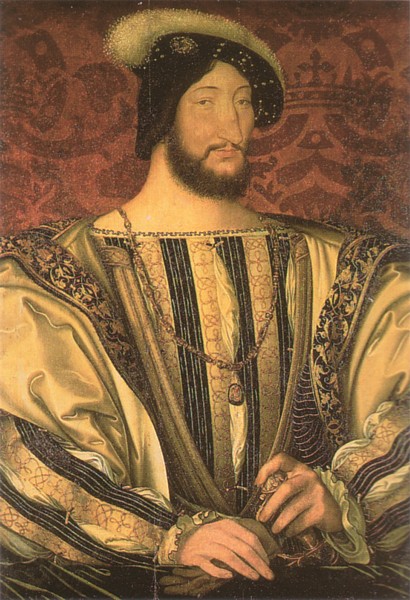
- "The Father of Arts and Letters" (Fr. Père des Arts et Lettres): Francis I of France 112 113
- "The Father of the Constitutional Church": Charles Maurice de Talleyrand-Périgord 114
- "The Father of the Czech Nation": Charles IV, Holy Roman Emperor 115 116
- "The Father of the Communes: Louis VI of France
- "The Father of the Country", "Father of the Nation" (Fr. le Père de la Patrie, Ger. Vater des Vaterlandes, Lat. Pater Patriae): 117
- Andrea Doria
- Andronikos II Palaiologos
- Augustus
- Cosimo de' Medici
- Denis I of Portugal
- Giorgio Cornaro 118
- Gustav I Vasa of Sweden
- John I of Portugal
- Julius Caesar
- Karađorđe Petrović
- Pedro I of Brazil
- William the Silent
- William I, Count of Provence, 968–993
- "The Father of the Conquest" (Tur. Ebu'l Feth): Mehmed II 119
- "The Father of the English Parliament": Simon de Montfort, 6th Earl of Leicester
- "The Father of European Diplomacy" (Dan. det Europeiske Diplomati's Fader, Swe. den Europeiska Diplomatins Fader): **Louis XI of France
- "The Father of European Exploration": Henry the Navigator 120
- "The Father of the Fatherland (Dut. Vader des Vaderlands)": William the Silent 121
- "The Father of the Longbow": Edward I of England
- "The Father of Military Strategy": Hamilcar Barca 122
- "The Father of Monks": Otto of Bamberg 123
- "The Father of the Mother of Parliaments": Edward I of England
- "The Father of the Navy: Alfred the Great 124
- "The Father of the Ottomans (Tur. Ceddu'l Osman): Suleiman the Magnificent 125
- "The Father of Peace": Andrea Doria 126
- "The Father of the People" (Fr. le Père du Peuple, It. Padre del Popolo, Por. Pai do Povo, Sp. Padre del Pueblo, Swe. Folkets Fader): 127
- Christian III of Denmark
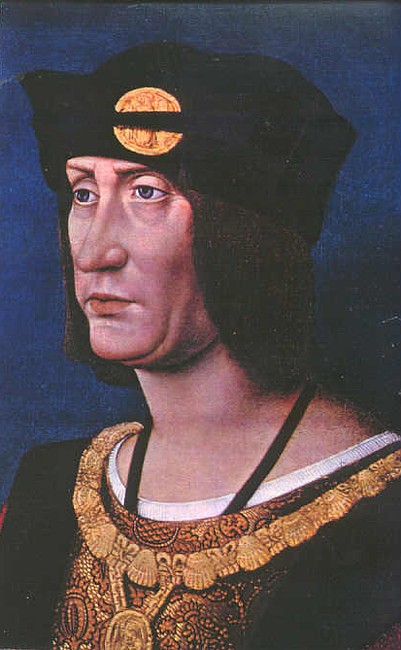
- Louis XII of France 128
- Louis XVIII of France
- "The Father of the People and of the Aristocracy: Leopold, Duke of Lorraine 129
- "The Father of the Poor": Eustachius, Count of Konski 130
- "The Father of the Portuguese Nation: Afonso I of Portugal 131
- "The Father of the Russian Navy: Peter I of Russia
- "The Father and Restorer of Letters" (Fr. Père et Restaurateur des Lettres): Francis I of France 132
- "The Father-in-law of Europe" (Dan. Europas Svigerfar, Dut. Schoonvader van Europa, It. Suocero d'Europa, Swe. Europas Svärfar):
- Christian IX of Denmark
- Nicholas I of Montenegro
- William I, Count of Hainaut
- Yaroslav I the Wise
- "The Fatherless" (Wel. Tadody): John de Braose (1198–1232), Lord of Bramber and Gower 133 134
- "The Fatuous" (It. il Fatuo): Piero di Lorenzo de' Medici 135
- "The Fearful Lion of the North": Jan III Sobieski 136
- "The Fearless" (Dut. zonder Vrees, Fr. sans Peur, Ger. Furchtlose, Ohnefurcht, Unerschronkene, Pol. Nieustraszony, Por. sam Medo, Sp. sin Miedo):
- John the Fearless
- Richard I of Normandy
- "The Feckless": Louis V of France
- "The Fecund": Havard, Jarl of Orkney
- "The Ferocious Warrior" (Sp. el Feroz Guerrero):
- Ramiro II of Leon
- Richard I of Normandy
- "The Field Captain": Henry II of Reuss-Plauen (c.1206–1232)
- "The Fierce" (Fr. le Farouche): Alexander I of Scotland
- "The Fighter" (Fr. le Lutteur, Por. o Lutador, Tur. Gazi):
- "The Fighting Earl of Oxford", "Fighting Vere":
- "The Fighting FitzGerald": George Robert FitzGerald 145
- "The Filthy Sultana": Sechir Para 146
- "The Fire-Brand of France": John of Lancaster, 1st Duke of Bedford 147
- "The First Captain in Europe": Frederick Schomberg, 1st Duke of Schomberg 148
- "The First-Crowned" (Fr. Premier Couronne, Serb. Prvovencani): Stefan Prvovenčani of Serbia
- "The First Christian" (Fr. le Premier Chrétien): Clovis I
- "The First Europeanizer of Spain": Sancho III of Navarre
- "The First Gentleman of Europe":
- Charles X of France
- George IV of the United Kingdom
- "The First Grenadier of France": Théophile Corret de la Tour d'Auvergne 149
- "The First Lady of the Renaissance" (Fr. Première Dame de la Renaissance, It. Primadonna del Rinascimento):
- Isabella d'Este
- "The First Modern Woman": Marguerite de Navarre
- "The First Servant of the State": Frederick II of Prussia 150
- "The First Woman Ever to be Awarded a University Degree": Elena Lucrezia Cornaro-Piscopia (1646-1684) 151
- "The Five Good Emperors":
- Antoninus Pius
- Hadrian
- Marcus Aurelius
- Nerva
- Trajan
- "The Flame: Joanna of Flanders 152
- "The Flame-Bearer" (Ger. der Flammenträger): Ida of Bernicia
- "The Flanders Mare" (Ger. Flandrische Mähre): Anne of Cleves
- "The Flat-Nosed, Broken-Nosed": Iorwerth Drwyndwn ap Owain, Prince of Gwynedd
- "The Flower of Chivalry":
- "The Flower of Normandy": Emma of Normandy 158
- "The Flower of Paradise" (Fr. Fleur de Paradis): Francis Hyacinth, Duke of Savoy 159
- "The Fool" (Ger. der Dummkopf, Nor. Tåpen, Swe. den Dumme):
- Lulach of Scotland 160
- Ragnvald Knaphövde
- "The Force of Destiny" (It. il Sforza del Destino):
- Galeazzo Maria Sforza
- Ludovico Sforza
- "The Forceful" (Ger. der Starkmütige):
- Ernest, Duke of Bavaria
- Stefan Dušan
- "The Foreign King": John I of Bohemia 161
- "The Foreigner": Gall Mac Sgillin 162
- "The Former" (Gr. o Theos): Constantine II of Greece
- "The Forseer": Henry V of Reuss (1583–1604)
- "The Fortune Prince" (Sp. Infante Fortuna): Henry of Aragon, 1st Duke of Segorbe (1445-1522)
- "The Found": Peter II of Pskov (d.aft.1510)
- "The Founder" "Founding Father" (Dut. de Stichter, Ger. der Stifter, der Gründer, Por. o Fundador, Rom. Intermeietorul):
- Afonso I of Portugal
- Basarab I of Wallachia
- Bogdan I of Moldavia
- Rudolph IV of Austria
- Ulrich I, Count of Wurttemberg, 1243–1265
- "Founding Father":
- Otto von Bismarck
- Victor Emmanuel II of Italy
- "The Four Marys", "Queen's Marys":
- "Four young ladies were chosen by Mary of Guise from families who had close connections both with the royal house of Stewart and with France to be companions to her daughter, Mary, who would become Queen of Scotland." 163
- Mary Beaton
- Mary Seton
- Mary Fleming
- Mary Livingston
- "The Fox" (Fr. le Renard):
- Alan II of Brittany
- Ferdinand I of Bulgaria
- Flann Sinna 164
- Guido da Montefeltro (1223–1298), Lord of Urbino
- "The Fox of Mecklenburg": Albert II of Mecklenburg
- "The Fowler" (Cze. Ptáčník, Dut. de Vogelaar, Fr. l'Oiseleur, Ger. der Vogler, der Finkler, Hun. Madarász, It. l'Uccellatore, Lat. Auceps, Pol. Ptasznik, Sp. el Pajarero, Swe. Fågelfängaren):
- Henry I of Germany
- "The Franciscan": Henry II of Reuss-Weida (d.c.1278)
- "The Fratricide" (Sp. el Fratricida):
- Berenguer Ramon II, Count of Barcelona
- Francis I, Duke of Brittany
- Henry II of Castile
- Ramon of Navarre, son of Garcia V of Navarre
- "The Freckled" (Bailloch, Fr. aux Tâches-de-Rousseur, Gae. Brecc, Frych, It. il Lentigginoso):
- "The Free" (el Franc): Alfonso III of Aragon
- "The French" (Fr. le Franc, le Francois, Sp. el Franco):
- Archambaud I, Sire de Bourbon
- Barisan of Ibelin
- Louis III, Landgrave of Hesse
- Louis VII of France
- Rodrigo Gonzalez de Lara (1095–1140) [http://homepages.rootsweb.com/~cousin/html/p180.htm#i11160. ]
- "The French Achilles" (Fr. l'Achille Français): Michel Ney
- "The French Ajax" (Fr. l'Ajax Français): Jean Lannes
- "The French Alexander: Louis II de Bourbon, Prince de Condé
- "The French Fabius": Anne de Montmorency 167
- "The Friar": Maurice FitzGerald, 2nd Baron of Offaly, 1232–1257
- "The Friendly" (Ger. ''der Freundliche"): Henry of Austria, Duke of Austria, 1307–1327
- "The Frisian" (Fr. le Frison, Ger. der Friese): Robert I, Count of Flanders
- "The Fugitive" (Fr. le Fugitif):
- Alexander of Tver
- Alexander, Prince of Moldavia, 1785–1786
- "Fabius": Bon Adrien Jeannot de Moncey
- "Falciaferro": Venanzio da Varano (d.1377/1380), Podesta of San Ginesio 168
- "False Demetrius II, the Brigand of Tushino" (1608–1611)
- "False Demetrius III (Isidor), the Brigand of Pskov (1611)
- "Farf-fehinog" (Fr. Barbe Graisseuse): Hywel ap Rhodri Molwynog, King of Gwynedd
- "Farisi" (Tur.): Osman II 169
- "Farmann": Bjørn Farmann
- "Farmer George" (Ger. Bauer Georg, Sp. Granjero Jorge): George III of the United Kingdom 170
- "Fat Mary": Mary Adelaide of Cambridge
- "Father Augustus" (Ger. Vater August): Augustus, Elector of Saxony
- "Father Maccabee": Roderic
- "Father Max" (Ger. Vater Max): Maximilian I of Bavaria
- "Feke", "Figchen": Catherine II of Russia 171
- "Ferdinand V the Good" (Cze. Ferdinand Dobrotivy): Ferdinand I of Austria
- "Fergie": Sarah, Duchess of York
- "Ferrante": Ferdinand I of Naples
- "Ferrantino", "Ferrandino": Ferdinand II of Naples
- "Ferreol": Godfrey II, Count of the Gatinais
- "Figchen": Catherine II of Russia 172
- "Field Marshal Forward" (Ger. 'Marschall Vorwärts): Gebhard Leberecht von Blücher 173
- "Fille d'Etoupe": Thibaud, Lord of Montlhery
- "Finality Jack": John Russell, 1st Earl Russell 174
- "Firebrace" (Fr. Fier-a-bras): William of Gellone
- "FitzEmpress" (Son of the Empress): Henry II of England
- "Flagellum Dei": Attila the Hun 175
- "Flamens", "Flaminius":
- Dietrich I, Count in Veluwe (d.1082)
- Gerard I of Gelderland
- Gerard II, Count of Wassenberg (1000-1053)
- "Flatnose": Ketil Flatnose
- "Forkbeard" (Dan. Tveskæg, Tjugguskegg, Dut. Vorkbaard, Gaffelbbard, Fr. a la Barbe-Fourchue, Ger. Gabelbart, Nor. Tjugeskjegg, Pol. Widłobrody, Sp. Barba Ahorquillada, Swe. Tveskägg): Sweyn I of Denmark
- "Fradawg": Áedán mac Gabráin
- "Franceschiello": Francis II of the Two Sicilies 176
- "Francigena": William Francis, Margrave of Parodi (d. 1139/1145) 177
- "František Procházka (Francis Procházka/"Walker")": Franz Joseph I of Austria
- 'Free-Booter": Asmund (d.1065), nephew of Sweyn II of Denmark
- "Friso":
- Henry IV, Duke of Brunswick-Lüneburg
- William IV, Prince of Orange
- "Fritzli": Frederick of Hohenzollern, Bishop of Constance, 1434–1436
- "From Overseas" (Fr. d'Outremer, Lat. Transmarinus): Louis IV of France
- "Frump Tower": Camilla, The Duchess of Cornwall
- "Fulmine di Guerra": Giovanni da Barbiano, Count of Cunio (d.1399)
- "Fum the Fourth": George IV of the United Kingdom