
List of authoritarian regimes supported by the United States
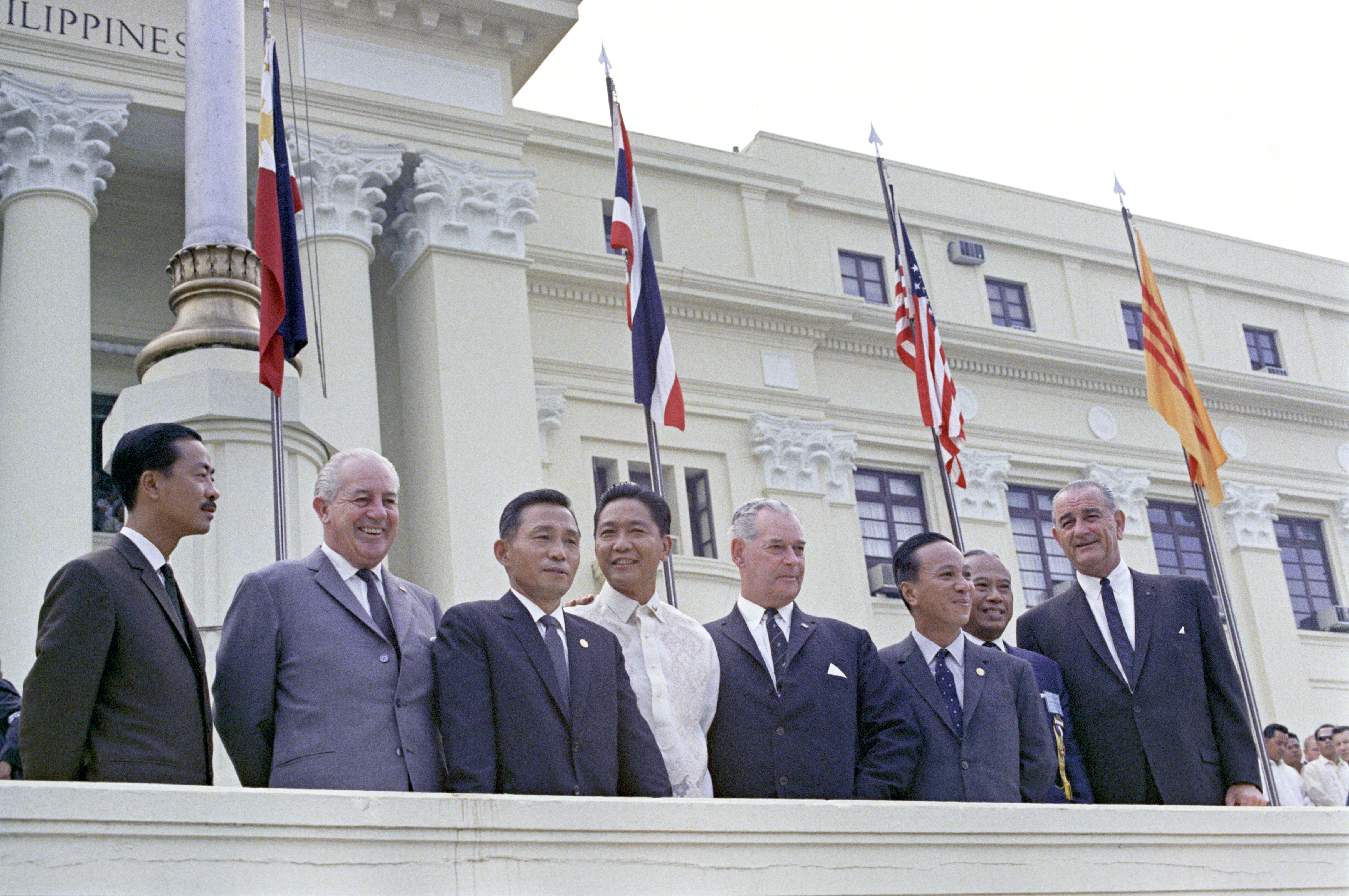
Over the last century, the United States government has often provided, and continues to provide today, financial assistance, arms, and technical support to numerous authoritarian regimes across the world. A variety of reasons have been provided to justify the apparent contradictions between support for dictators and the democratic ideals expressed in the American constitution.
Prior to the Russian Revolution, support for dictators was often based on furthering American economic and political priorities, such as opening foreign markets to American manufacturers. Following the rise of communism, the United States government also began to support authoritarian regimes that it felt were combating movements aligned with communism, including socialist and democratic socialist movements, especially in Latin America. Such assistance continued despite the belief expressed by many that this contradicted the political ideals espoused by the U.S. during the Cold War. Support was also geared toward ensuring a conducive environment for American corporate interests abroad, such as the United Fruit Company or Standard Oil, especially when these interests came under threat from democratic regimes. Support for authoritarian regimes has been justified under various ideological frameworks as well: the Truman Doctrine, for example, or the "War on Drugs".
From the 1980s onwards, the United States government began to fear that its interests would be threatened by the increasingly popular Islamist movements in the Middle East, and began to work to secure friendly authoritarian regimes in the region, while isolating and weakening, but not removing, unfriendly ones. In recent years, many policy analysts and commentators have expressed support for this type of policy, with some believing that regional stability is more important than democracy. The United States continues to support authoritarian regimes today. However, international relations scholar David Skidmore believes that increased public pressure is motivating a shift away from supporting authoritarian regimes, and towards supporting more consensual regimes instead.
Authoritarian regimes supported
Latin America
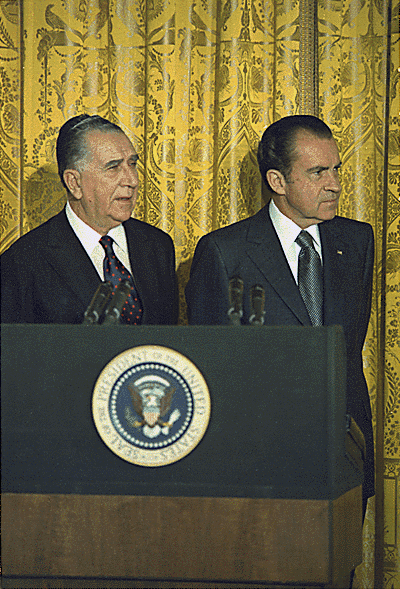
- Porfirio Díaz (Mexico) (1876–1911)
- Institutional Revolutionary Party (Mexico) (1929–2000)
- Juan Vicente Gómez (Venezuela) (1908–35)
- Manuel Estrada Cabrera (Guatemala) (1898–1920)
- Jorge Ubico (Guatemala) (1931–44)
- Fulgencio Batista (Cuba) (1952–59)
- Rafael Trujillo (Dominican Republic) (1930–61)
- Efraín Ríos Montt and the rest of the military junta in Guatemala (1954–86)
- Revolutionary Government Junta of El Salvador (1979–82)
- Hugo Banzer (Bolivia) (1971–78)
- National Reorganization Process (Argentina) (1976–83)
- Brazilian military government (1964–85)Adam Taylor (10 December 2014). Brazil’s torture report brings a president to tears. The Washington Post. Retrieved 12 December 2014.
- "Notably, the report found that the United States had spent years teaching the torture techniques to the Brazilian military during that period."
- Somoza family (Nicaragua) (1936–79)
- François Duvalier (Haiti) (1957–71)
- Jean-Claude Duvalier (Haiti) (1971–86)
- Omar Torrijos (Panama) (1968–81)
- Manuel Noriega (Panama) (1983–89)
- Alfredo Stroessner (Paraguay) (1954–89)
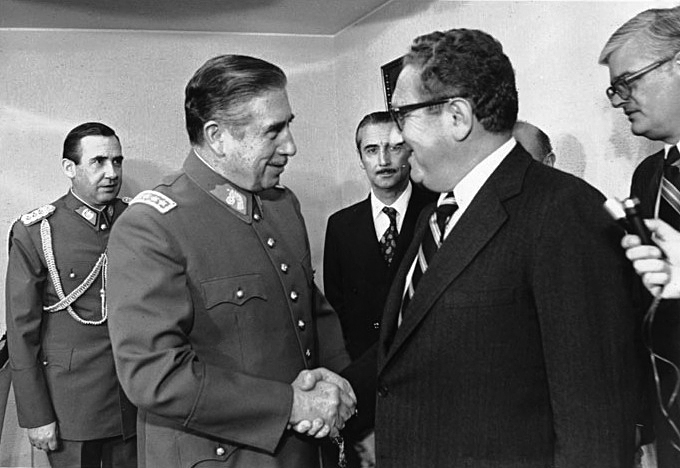
- Augusto Pinochet (Chile) (1973–90)
Asia
 Middle East special envoy Donald Rumsfeld meeting Saddam Hussein on 19–20 December 1983.
- Syngman Rhee (South Korea) (1948–60)
- Park Chung-hee (South Korea) (1961–79)
- Chun Doo-Hwan (South Korea) (1979–88)
- Ngo Dinh Diem (South Vietnam) (1955–63)
- Lon Nol (Cambodia) (1970–75)
- Yahya Khan (Pakistan) (1969-71)
- Mohammad Reza Pahlavi (Iran) (1941–79)
- Ferdinand Marcos (Philippines) (1965–86)
- Muhammad Zia-ul-Haq (Pakistan) (1978–88)
- Saddam Hussein (Iraq) (1982–90)
- Suharto (Indonesia) (1967–98)
- Truong Tan Sang (Vietnam) (2011–present)
- Islam Karimov (Uzbekistan) (1990–present)
- Pervez Musharraf (Pakistan) (1999–2008)
- Ali Abdullah Saleh (Yemen) (1990–2012)
- Emomalii Rahmon (Tajikistan) (1994–present)
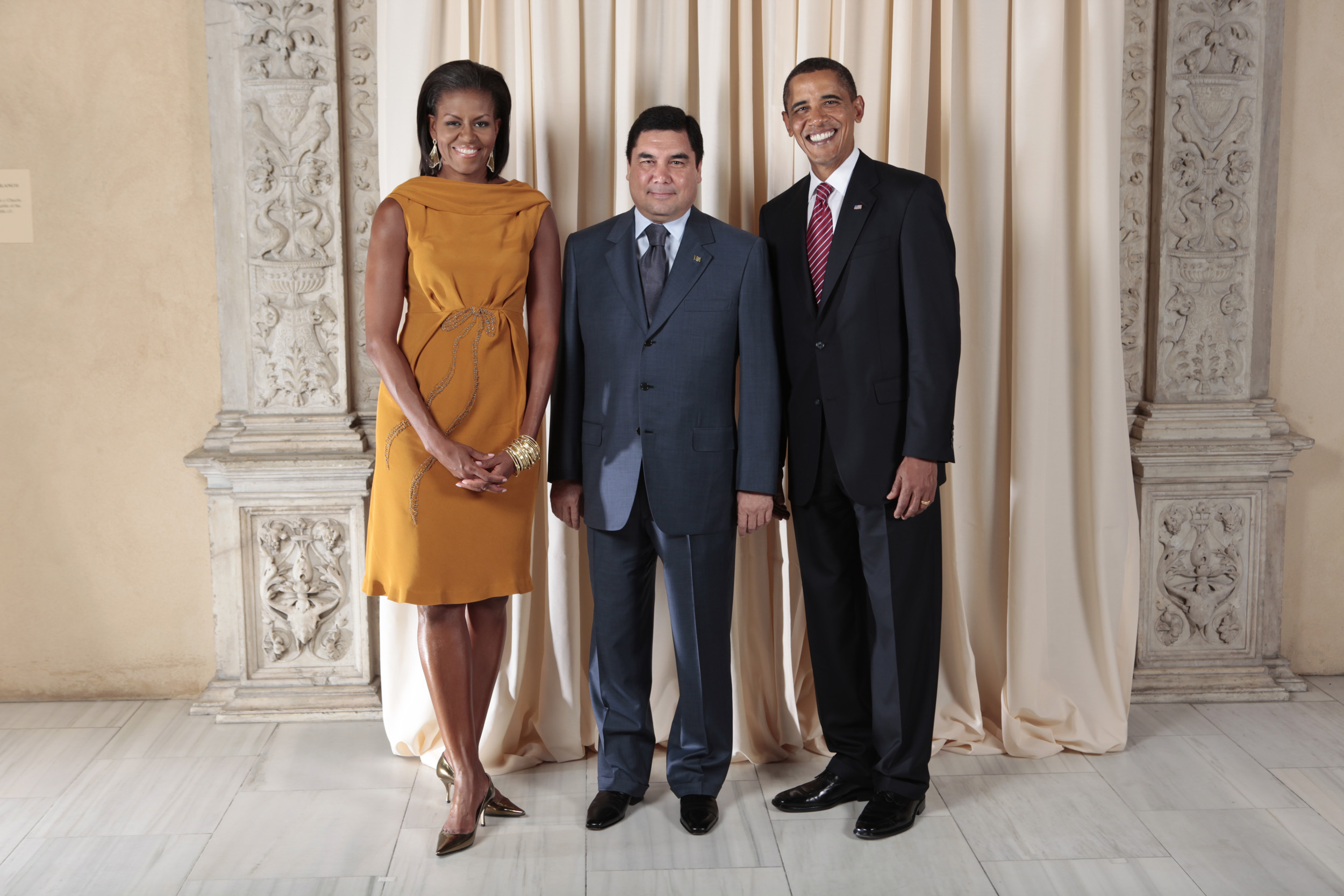
- Gurbanguly Berdimuhamedow (Turkmenistan) (2006–present)
- House of Saud (Saudi Arabia) (1945–present)
- Hamad bin Isa Al Khalifa (Bahrain) (1999–present)
- Hamad bin Khalifa Al Thani (Qatar) (1995-2013)
- Qaboos bin Said al Said (Oman)
Africa
- King Hassan II, predecessors and successors (Morocco) (1777–present)
- Gaafar Nimeiry (Sudan) (1969–85)
- Samuel Doe (Liberia) (1980–90)
- Apartheid South Africa (1948–94)
- Meles Zenawi (Ethiopia) (1991–2012)
- Teodoro Obiang Nguema Mbasogo (Equatorial Guinea) (1979–present)
- Mobutu Sese Seko (Democratic Republic of the Congo) (1965–97)
- Hissène Habré (Chad) (1982–90)
- Hosni Mubarak (Egypt) (1981-2011)
- Idriss Déby (Chad) (1990–present)
- Yoweri Museveni (Uganda) (1986–present)
- Zine El Abidine Ben Ali (Tunisia) (1987–2011)
- Paul Kagame (Rwanda) (2000–present)
Europe
- Francisco Franco (Francoist Spain) (1936–75).
- Greek military junta (1967–74)
- António de Oliveira Salazar (Portugal) (1932-74)
- Turkish military junta (Turkey) (1980-91)
See also
- Dictatorships and Double Standards
- Covert United States foreign regime change actions
- United States and state-sponsored [...]
- United States and state [...]
- United States foreign policy