
Students Helping Honduras
 Students Helping Honduras (SHH) is an international NGO operating in both the United States and Honduras. While the majority of SHH's projects are centered in the town of El Progreso, the organization engages in projects throughout all of Honduras.
History
Founded in 2006 by Shin Fujiyama and Cosmo Fujiyama, brother and sister.
Projects
Villa Soleada
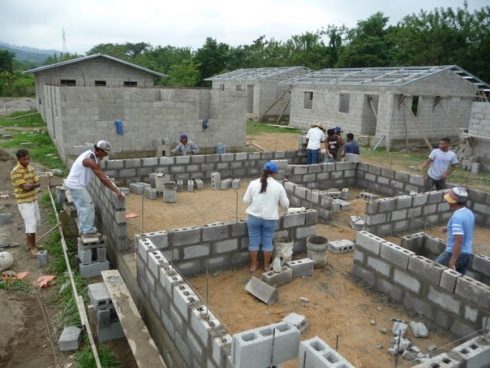 This project consists of forty-four 22’x 28’ homes, each with three bedrooms, a central room, bathroom, and shower. The design of the homes and the entire village was based on drawings made by the villagers. The village will also include a community center usable for church gatherings or town meetings, land for farming and sustainable businesses, a well, a library, eco-friendly waste management system, electricity, and most importantly, a soccer field.
SHH Women's Academy
SHH is providing girls from underprivileged communities and orphanages the opportunity to study at the best universities in Honduras. The program offers group housing and full scholarships to qualified candidates. Currently, four girls live in the house, and the number is expected to reach fifteen by 2012.
La Ceiba Microfinance Institution
La Ceiba seeks to empower women in Honduras as they develop business plans, undergo training, and create their own businesses.
Fuel-Efficient Cooking Stoves
These stoves significantly reduce the amount of indoor pollution in households utilizing traditional fuel stoves. This includes as smoke and carbon monoxide, the fourth leading cause of death for children under the age of five in developing countries. Through its efficient design, these stoves require only half of the amount of firewood compared to an ordinary stove and have significantly contributed to the health of villagers in Siete de Abril. 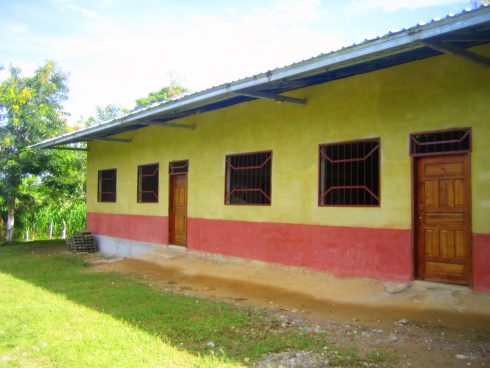
Por Venir School
In 2008, SHH built a three room elementary school at the village of Por Venir that is currently enrolling nearly 150 children.
Membership and Chapters
The membership of SHH consists of more than two thousand students, young professionals, and adults from fifteen states and twenty chapters.
Chapters are typically located on U.S. college campuses including:
|
|
External links