
Oliverpabstia
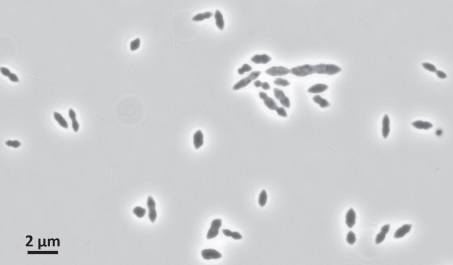 Oliverpabstia is a genus of Gram-positive, strictly anaerobic bacteria within the family Lachnospiraceae. The genus was established following the isolation and characterization of its type species, Oliverpabstia intestinalis, from the gastrointestinal tract of pigs in Germany. The genus name honors Prof. Oliver Pabst for his contributions to mucosal immunology.
Taxonomy
The genus Oliverpabstia was first described by Wylensek et al. in 2020, based on isolates obtained from the pig gastrointestinal tract. Phylogenetic analyses, including 16S rRNA gene sequencing and whole-genome comparisons, demonstrated that these isolates formed a distinct lineage within the Lachnospiraceae family, warranting the establishment of a new genus.
Species
Currently, the genus comprises a single validly published species:
- Oliverpabstia intestinalis — the type species
Morphology and physiology
Members of the genus Oliverpabstia are characterized by the following features:
- Cell morphology: Gram-positive, non-spore-forming coccoid rods
- Oxygen requirement: Strictly anaerobic
- Temperature range: Mesophilic, with optimal growth at 37 °C
- Metabolism: Fermentative, producing short-chain fatty acids as end products
The type strain, BSM-380-WT-5A (= DSM 106162 = JCM 34394), was isolated from the feces of a 5-month-old pig in Germany.
See also
- Lachnospiraceae
- Gut microbiota