
 ~
~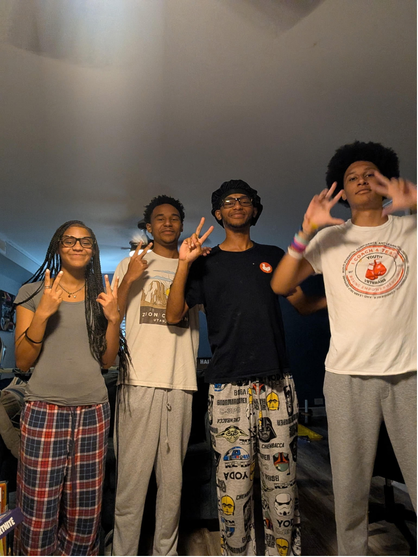 Myles Mangum, known professionally as PerkX5, is an American young rapper from Durham, North Carolina. Born August 4, 2012, Mangum began pursuing music at a young age and is working to establish himself as an underground hip-hop artist.
Early life Myles Mangum was born on August 4, 2012, and is from Durham, North Carolina. Growing up in the Durham area, Mangum developed an interest in hip-hop and began pursuing music while still young.
Music career Performing under the name PerkX5, Mangum is an emerging underground rapper focused on developing his sound and building an audience. His long-term ambition is to become a professionally signed recording artist and eventually earn a record deal with a major label.
Mangum continues to work on his music and develop his identity as PerkX5, with aspirations of turning his passion for rap into a professional career.
Goals Mangum's primary goal is to establish himself as a successful recording artist and eventually sign with a major record label. He has expressed an interest in reaching the level of established artists while creating his own identity within hip-hop.
Personal life Mangum is a young artist from Durham, North Carolina, and is currently focused on his development as a musician and performer.
Also known as: PerkX5 Born: August 4, 2012 Birthplace: Durham, North Carolina, U.S. Occupation: Rapper, recording artist Genre: Hip-hop Years active: 2020s
Government Polytechnic, Chapra is a polytechnic institute in Bihar, India. It is administered by Department of Science and Technology, Bihar and is funded by Government of Bihar. The institute is affiliated with State Board of Technical Education, Bihar which conducts the semester exams and issues the certificates.
Josh Schuberth (born 23 September 1983) is an Australian producer, audio engineer, and multi-instrumentalist. His list of credits includes work with numerous notable performers, including Ben Folds, Josh Pyke, Alex Lloyd, Jessica Mauboy, Sara Storer, Graeme Connors, Lenka, Melanie Horsnell, Jenny Queen, Suzy Connolly, Tim Freedman, Greg Storer, and the bands Peregrine and The Sleep-ins. He also records as a solo performer under the name Miracle Pill.
Rakshit Tandon is an Indian cybersecurity professional and cyber-safety educator. His work has included cybersecurity awareness, cybercrime investigation training, online safety education and training for law-enforcement personnel.
Tandon has been quoted by Indian national media on cybercrime, cyberbullying, online safety, digital fraud and cybersecurity. His public work has included programmes for children and young people as well as training and awareness initiatives involving police personnel.