
University of Dallas Rome Program
The University of Dallas Rome Program is a study-abroad program that is an integral part of the University of Dallas Undergraduate program. Since the 1970s, the University of Dallas has offered students the opportunity to spend a semester of study-and-travel based out of Rome, Italy. Originally it was only for students in their sophomore year to go on. However, now it is highly encouraged for students to go during their sophomore year, but juniors and seniors are allowed as well. Over the years, the University has had several campuses in and around Rome (a sign of a former campus now hangs in the Irving campus cappuccino bar).
As part of the undergraduate education on the liberal arts, AbOUT 80% of students spend a semester (either the Fall or Spring, GeneRally of the Sophomore year) studying in Rome. The Rome semester curriculum is carefully integrated with on-site experiences and focuses upon the history, art, and architecture of Ancient Greece, the Roman Republic and Roman Empire, the Early Christian Church, and Renaissance Italy.
Academics in Rome
According to the Rome website, "Prior to their Rome Semester, University of Dallas students have already read the masterful works of Homer, Plato, Aristotle, Virgil, Augustine, Aquinas, Dante and others as part of the University's trademark Core Curriculum. Having this rich educational background makes their experience of the Rome Semester all the more intense and vivid. Students read about Odysseus and Aeneas one day and find themselves in the actual physical setting of these heroic stories the next. They travel across seas and journey through landscapes where major battles were decided. They recite and sing in the theaters where the great Greek tragedies were once performed. They come face to face with works of art and architecture that have inspired humankind for centuries. And they visit some of the holiest shrines and most beautiful monuments of the Roman Catholic Church. Informative and often dramatic experiences such as these bring their liberal education in the western and Catholic tradition to life."
Courses offered in Rome
- Western Civilization I - A survey course of the history of the Ancient Mediterranean World leading up to the fall of the Roman Empire. Assigned authors include Thucydides, Herodotus, Livy, Tacitus, Eusebius of Caesarea, and Einhard.
- Art and Architecture of Rome - An in-depth study of the architectural and artistic accomplishments of Ancient Rome and how those accomplishments influenced the Renaissance. This course includes a mandatory weekly on-site lecture in Rome. Past sites have included the Capitoline Museums, the Tempietto, Trastevere, the Vatican Museums, Santa Maria della Vittoria, the Roman Forum, and the Villa Borghese.
- Philosophy of Man - A study of the Phaedo by Plato, The Confessions of St. Augustine, Discourse on the Method by René Descartes, and Friedrich Nietzsche's On the Use and Abuse of History for Life from the Untimely Meditations.
- Western Theological Tradition - An in-depth study of the foundations of Christendom through the use of primary source materials. Students read Ignatius of Antioch, Augustine, Thomas Aquinas, Boethius, and the official documents of the Second Vatican Council.
- Literary Traditions III - The third installment of UD's four part literature sequence, Lit Trad III explores the nature of tragedy and comedy, as contained in the writings of Sophocles, Aeschylus, Aristophanes, and, especially, William Shakespeare.
Chaplain's Lecture Series
The Chaplain's Lecture Series brings distinguished local and international guests to the Due Santi campus to speak about pressing religious issues and other cultural topics. Students and staff have the opportunity to attend an informative lecture, to engage in Q&A and to make the acquaintance of figures who play important roles in today's religious world.
Recent Lectures
- George Cardinal Pell - Archbishop of Sydney, Australia and host of World Youth Day 2008
- Francis Cardinal Arinze - Prefect of the Congregation for Divine Worship and the Discipline of the Sacraments
- Archbishop J. Michael Miller - Secretary for the Congregation for Catholic Education
- George Weigel - author of Witness to Hope, a biography of John Paul II and Senior Fellow of the Ethics and Public Policy Center.
- Francis Rooney - Ambassador of the United States to the Holy See
- Fr. Joseph Fessio - founder and editor of Ignatius Press, former student of Pope Benedict XVI and outgoing Provost of Ave Maria University.
Travel in Europe
To complement the Art and Architecture course, Theology course, and Philosophy course, students visit and study historic sites around Rome. The students and their professors also take three longer trips together.
Bay of Naples Trip
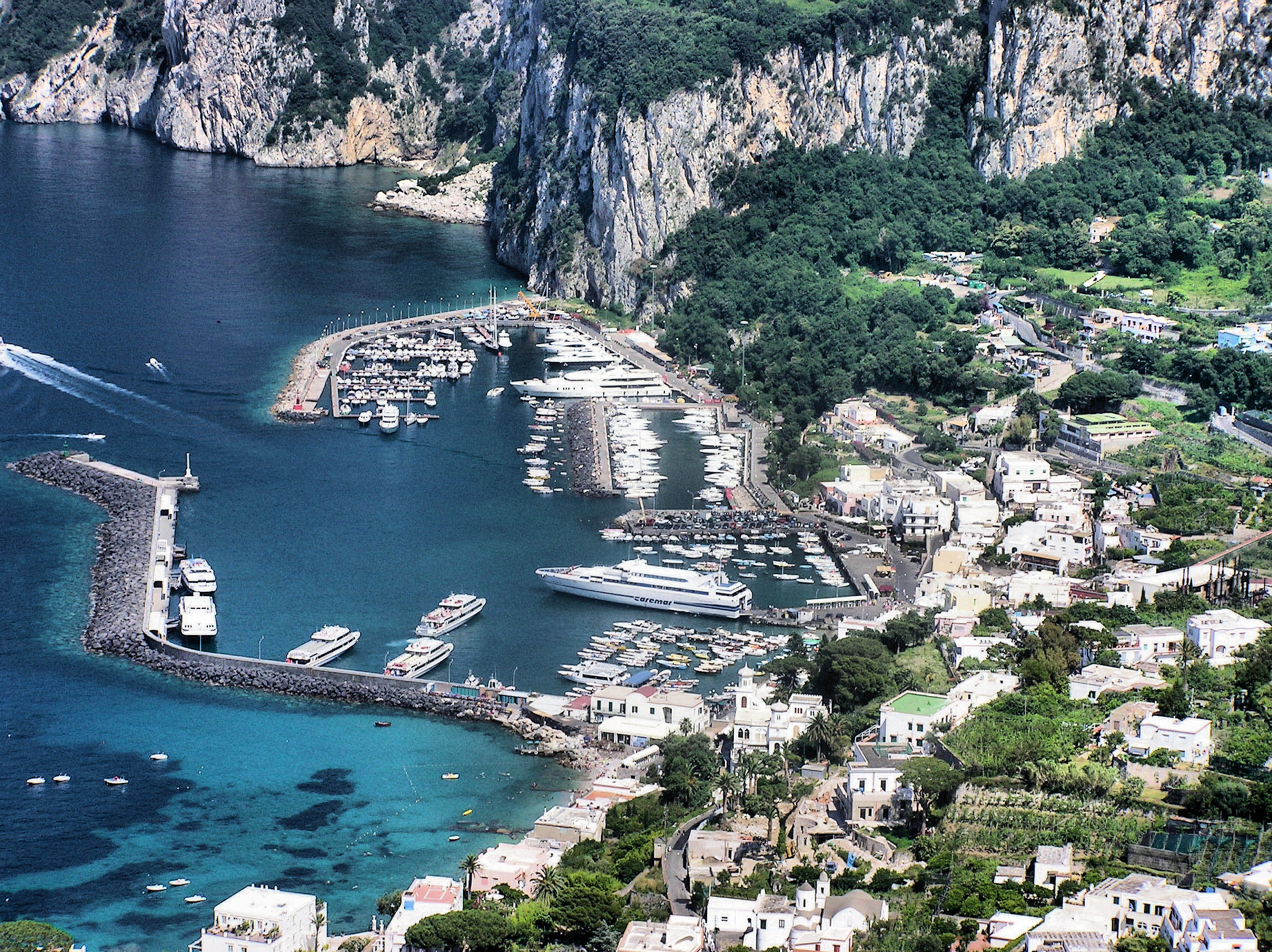 The first ventures to the Bay of Naples region for a three day weekend. Students stay near the ancient port of Stabiae and visit nearby Pompeii as well as Mt. Vesuvius. The trip concludes with a visit to the Naples National Archaeological Museum. Since the trip concludes on a weekday, students who wish to remain in Naples for the weekend can opt to visit the nearby towns of Amalfi, Ravello, and Sorrento, or, more commonly, students can sail out to the islands of Capri and Ischia.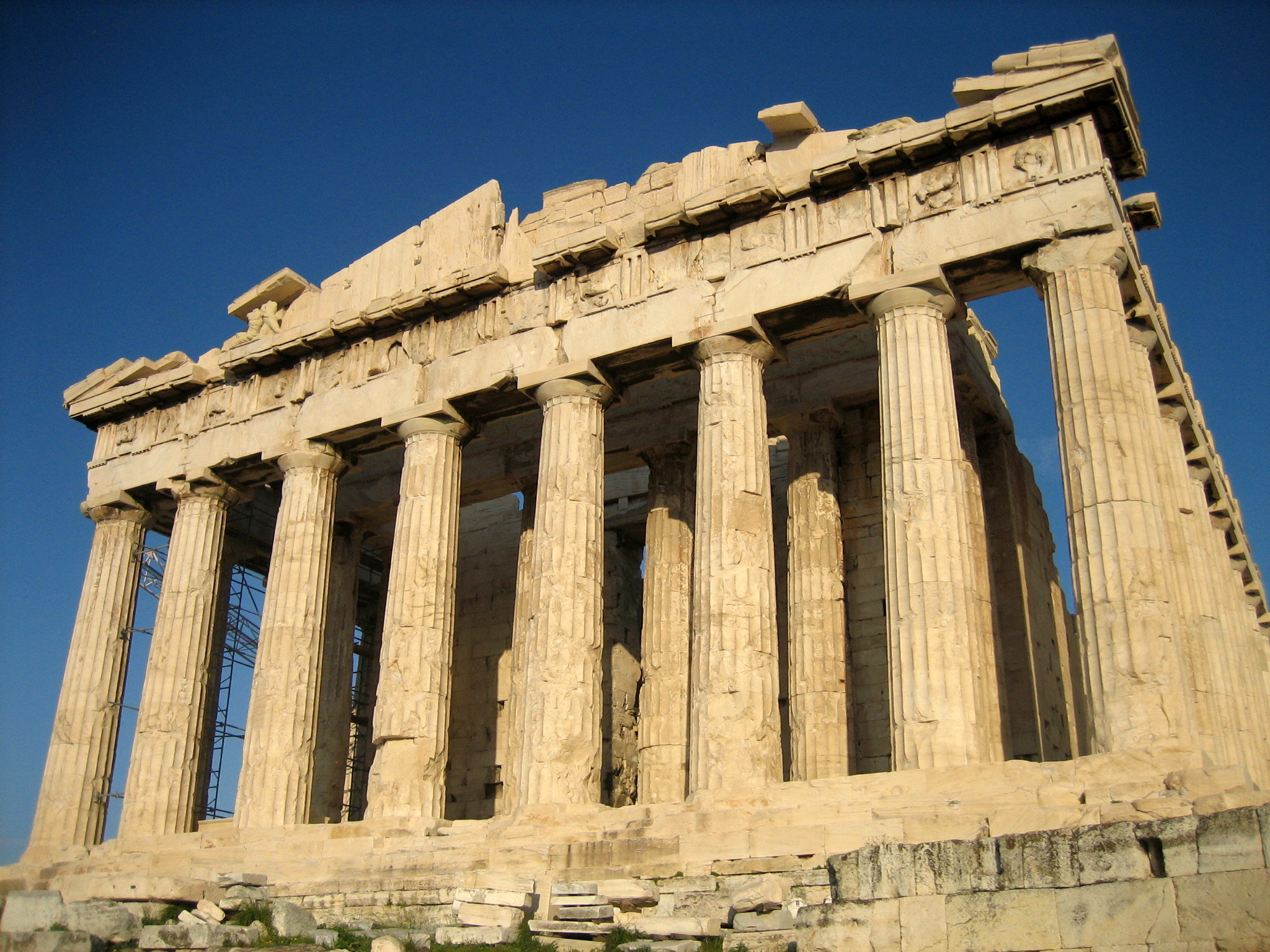
Greece Trip
The second mandatory trip is a ten-day trip to Greece. Departing from the Italian port city of Bari, the student sail to the city of Patras, site of the Battle of Lepanto. While the travel schedule varies from semester to semester, the itinerary always includes overnight stays at Olympia, Delphi, Athens, Nafplion, and Mycenae. Day trips to Corinth, Epidaurus, Hosios Loukas, and Cape Sounion are also included. In Athens, students have class in the Agora, the Acropolis, and the National Archaeological Museum of Athens. Greek dancing lessons and some independent travel opportunities to places such as Marathon and Thermopylae contribute to the overall educational experience of the trip.
Northern Italy Trip
The third mandatory trip is a six-day trek around Northern Italy. Student depart the Rome Campus and drive to Florence. Art classes are held in the Uffizi Gallery as well as the Accademia Gallery, home of Michelangelo's David. Following Florence, students travel via bus to Venice and spend 1-2 days exploring the Grand Canal and hearing lectures inside the Doge's Palace and San Marco Cathedral. During free time, students board water taxis and sail to district of Murano, home of the world-famous Murano glass. After Venice, students turn south and stay in the town of Assisi. Class is held at the Basilica of St. Francis as well as the Rocca Maggiore, a medieval castle that serves as the traditional late-night destination for adventurous UD students. Visits to San Damiano and Basilica of Santa Maria degli Angeli are also included. Another popular event in Assisi is the jog up to the Hermitage of St. Francis on Mount Subiaso. 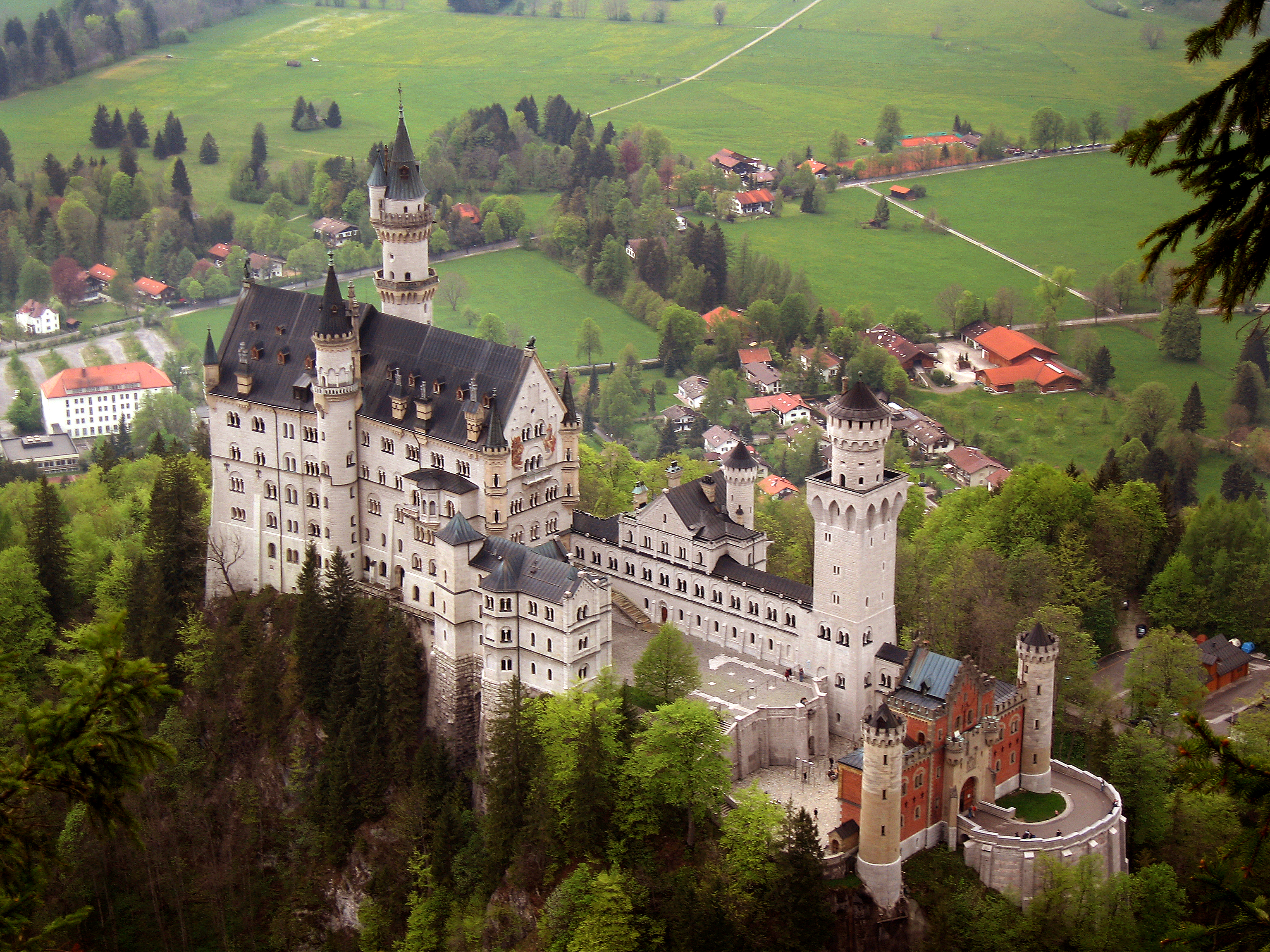
Independent Travel Opportunities
Multiple three-day weekends are scheduled into the first half of the semester. Popular weekend destinations include Munich for Oktoberfest, Paris, and Barcelona. The students are also given a ten-day break in which the campus is closed and the students travel independently around Europe either in groups or alone. Known by students as "ten-day", this extended break has allowed students to travel to European nations such as England, France, Spain, Germany, Switzerland, Austria, The Czech Republic, Poland, Portugal, Ireland, and Belgium, as well as more remote locations such as Sweden, Malta, Sardinia, Turkey, Egypt, Transylvania, and the Baltic States. Fall Romers usually have the option of a five-day Thanksgiving Break.