
Paya–Haju Shiva Linga Temple
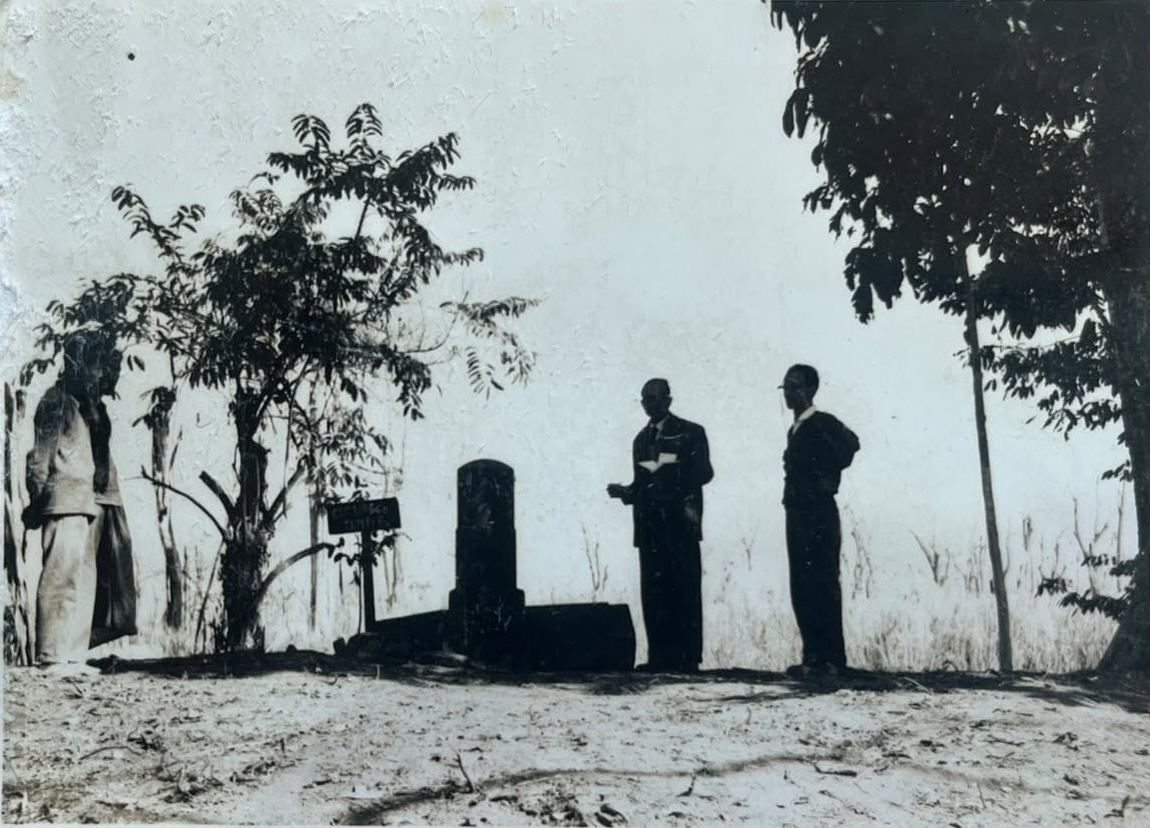
Shiva Linga Temple, Paya is a medieval archaeological site associated with the worship of Shiva, situated near Paya on the Haju River in Lohit district, Arunachal Pradesh, India. It is dated to the 14th-15th century, a period when the region was under the rule of Chutia kings.
A large granite lingam discovered at the site was removed to Tezu in April 1965 for its protection and was subsequently installed in the Shiva temple near the daily bazaar in Tezu.
Historical context
The temple is dated to the 14th–15th centuries, a period when this part of the Lohit foothills was under the influence of the Chutia kingdom. On this basis, the monument has been tentatively associated with the Chutia polity. The Siva Linga site was situated close to the Tamreswari Temple; the State Gazetteer of Arunachal Pradesh places the two on opposite banks of the Paya River within approximately one kilometre of one another. A dated inscription from Tamreswari records the construction of its brick enclosure in 1442 by Muktadharmanarayana, a ruler associated by scholars with the Chutia royal line of Sadiya.
The proximity of the Shiva temple to Tamreswari need not indicate two entirely separate religious traditions. The religious culture of medieval Sadiya combined indigenous goddess worship with wider Shaiva and Shakta-Tantric traditions. Kakoli Gogoi describes Kecaikhati as a powerful tribal goddess who was incorporated into the Sanskritized tradition of goddess worship while retaining older non-Brahmanical ritual characteristics. The Lohit District Gazetteer similarly describes the cult of Tamreswari as probably originating in the religion of the Chutias and states that the Chutias came within the Hindu Brahmanical fold through Tantricism.
Tamreswari was identified with Dikkaravasini, a goddess associated with the eastern region in the Kalika Purana. Despite this Sanskritic identification, the shrine continued to be served by the non-Brahmin Deori priesthood. Jae-Eun Shin describes the Deoris of Tamreswari as representatives of the priestly class among the Chutias and records that their ritual service to the goddess continued even after the Ahom conquest of the Chutia kingdom in 1523. Gogoi likewise notes that the goddess's worship continued according to older customs even after her incorporation into a wider Sanskritic religious framework.
The presence of a Shiva-linga shrine on the opposite bank of the Paya River may therefore reflect the coexistence of indigenous goddess worship and Agamic Shaivism within the same medieval sacred landscape. Tantric traditions placed considerable importance on the relationship of male and female divine principles, while the form of the Paya linga installation itself conforms closely to prescriptions associated with formal Shaiva worship. The juxtaposition of the Shiva shrine and the goddess shrine is therefore compatible with a wider Shaiva–Shakta religious environment.
Although no inscription presently demonstrates that the two shrines were deliberately conceived as a single Shiva–Shakti complex, their close geographical proximity, broadly contemporary dating and overlapping ritual traditions suggest that they formed parts of the same medieval religious landscape.
Interpretation of the linga installation
The stone installation recovered at Paya appears to have consisted of a single lingam passing through two superimposed stone bases. A note written on 20 April 1965 by Divisional Research Officer T. K. M. Baruah states that the two slabs did not represent separate lingas: the circular slab was positioned above a rectangular slab, with both holding the linga at their centre. This arrangement corresponds closely to traditional descriptions of the construction of an installed Shiva linga. T. A. Gopinatha Rao describes the lower portion of a linga as having a square Brahma-bhaga and an octagonal Vishnu-bhaga, while the upper Rudra-bhaga is rounded and remains exposed for worship. He further describes a two-part pedestal in which the lower stone member contains a square opening receiving the square portion of the linga, while a second, upper member contains an octagonal opening receiving the octagonal portion.
The surviving photographs of the Paya remains are consistent with such an arrangement. The upper stone is a broad circular yoni-pitha with a projecting outlet, while its central cavity appears octagonal. The surviving linga itself also appears faceted in its lower portion and rounded towards the top. The rectangular slab recorded beneath the circular member may therefore have functioned as the lower supporting member of the pedestal. Such geometrically differentiated linga and pedestal arrangements belong to the wider tradition of Agamic Shaivism. The ritual traditions preserved in the Shaiva Agamas formed an important branch of medieval Tantric Shaivism; for example, the scriptures of Shaiva Siddhanta are themselves described as Shaiva agamas or tantras and contain detailed prescriptions for temple ritual and the worship of Shiva. The form of the Paya installation may therefore indicate the influence of an Agamic Shaiva ritual tradition. The interpretation is also notable in the regional context.
The Paya temple stood close to the Tamreswari Temple, a medieval shrine associated with the goddess Dikkaravasini, and both monuments belonged to the same 14th-15th-century Sadiya–Lohit religious landscape. The coexistence of a formal Shaiva linga installation and an important goddess shrine in such close proximity suggests a wider Shaiva–Shakta religious environment in the region.
Archaeological remains
The temple site lies in the Paya–Haju area, about two kilometres south-west of the former Tamreswari Temple site. The District Census Handbook describes two brick-built edifices at the site. One consisted of a solid square structure measuring about on each side, upon which a granite Shiva linga about high had been enshrined. The second consisted of a circular or cylindrical base about in diameter.
The site also yielded unusually large, well-fired bricks, some measuring approximately , which were described as producing a metallic sound when struck. On the basis of the remains, the Census handbook tentatively assigned the temple to the 15th century. The Archaeology Section of the Government of Arunachal Pradesh, however, lists the Shiva Linga Temple at Paya as a 14th-century monument. The same departmental inventory lists Haju as the remains of a settlement dating to the 13th–14th centuries.
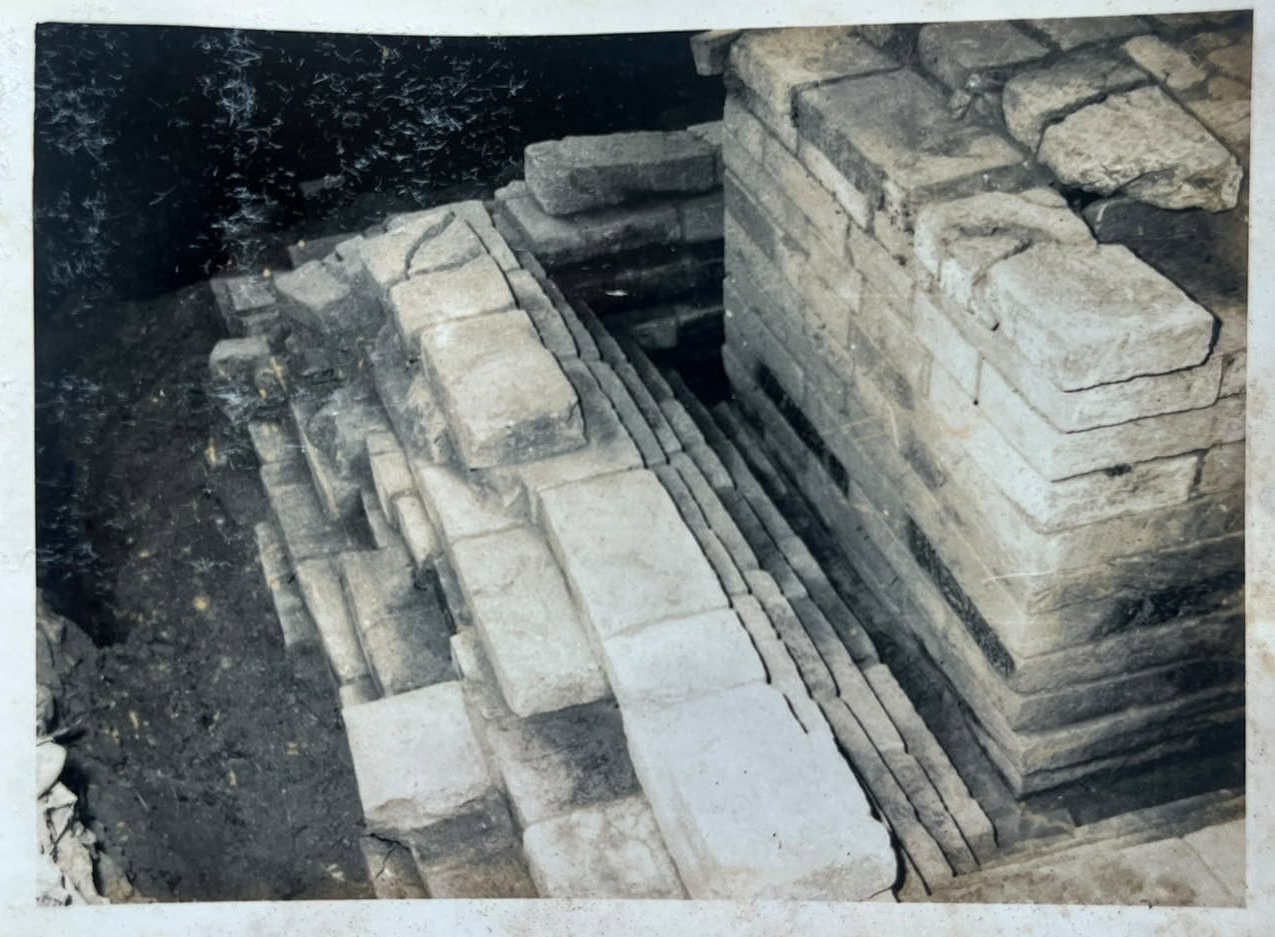 The Archaeological Survey of India later carried out archaeological exploration along the Haju River at Paya. The explored locality, situated about west of Tezu on the left(eastern) bank of the river, also produced prehistoric stone artefacts.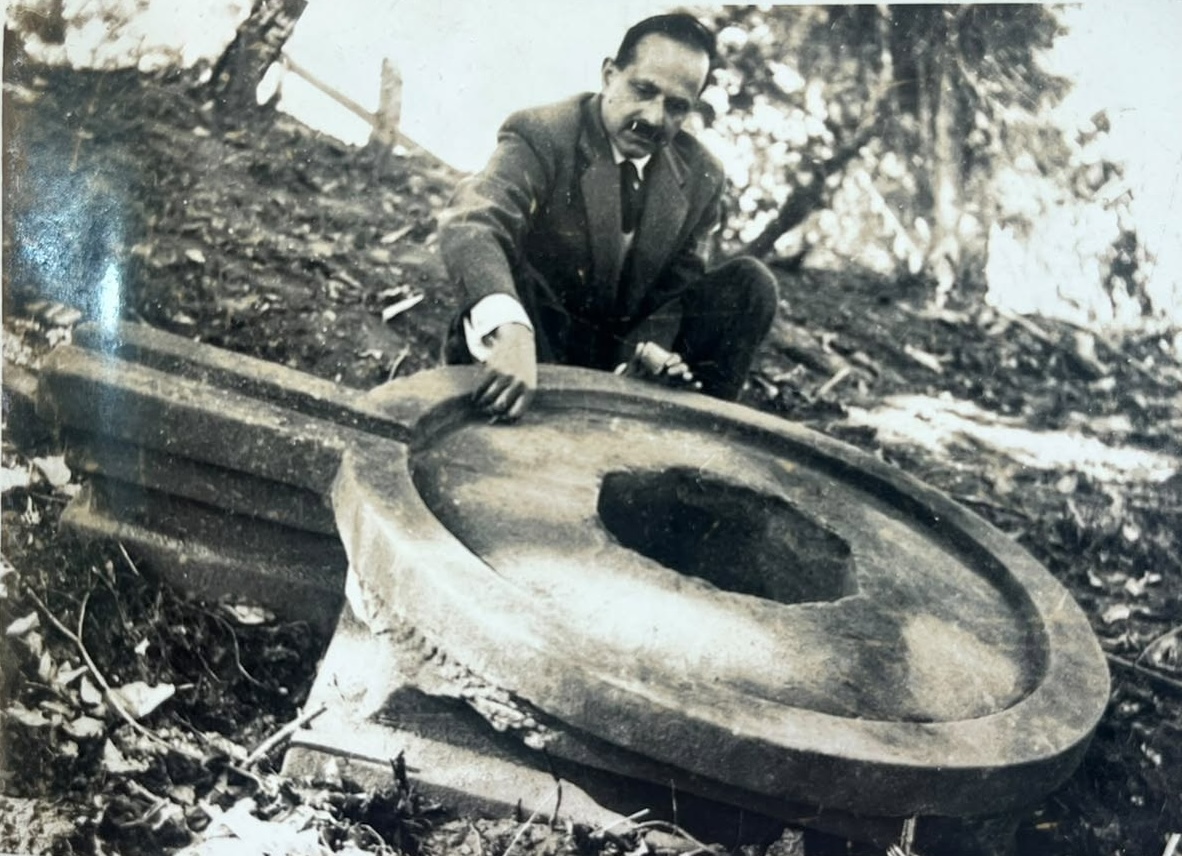
Recovery and removal to Tezu
Administrative correspondence of the former North-East Frontier Agency (NEFA) records the recovery and removal of the linga in 1965. On 30 March 1965, Historical Research Officer L. N. Chakravarty wrote to the Political Officer of the Lohit Frontier Division concerning the "Excavation of Siva Linga near Paya Camp". The letter requested that the Shiva linga and its two stone bases be removed to Tezu in order to protect them from possible damage by floodwater or wild elephants.
The linga was brought from its old site on the bank of the Haju River to Tezu on 10 April 1965. Contemporary records state that it was initially kept in the compound of the Divisional Museum at Tezu.
 A note dated 20 April 1965 by T. K. M. Baruah, the Divisional Research Officer, addressed an apparent misunderstanding that two separate Shiva lingas had been discovered. Baruah stated that the two stone slabs recovered at the site formed part of a single linga installation, not two separate lingas. According to his description, a circular stone slab was originally positioned above a rectangular slab, with the linga passing through the central opening of both. Contemporary photographs show the upper slab as a large yoni-patta with a projecting outlet and a polygonal central aperture.
Establishment of the Tezu temple
Following the transfer of the linga, officials and residents of Tezu proposed the construction of a permanent temple to house it. A meeting held in the office of Political Officer B. S. Dougal on 26 April 1965 was attended by Chowkhamoon Gohain, Tankakso Chai, Jorin Linghi, Choucham Tayeng, Jamtonu Yun, T. K. M. Baruah and several other officials.
The meeting minutes record that the linga had been removed because the old site was considered vulnerable to erosion by the Haju River and to silting, comparable to that which had affected the nearby Tamreswari temple site. Participants favoured constructing a suitable building at Tezu, although the Political Officer noted that the establishment of a new religious institution required approval from the NEFA administration.
Chowkhamoon Gohain advocated the construction of a substantial building for the linga and offered to assist in raising funds and preparing its design. Tankakso Chai, then Political Jamadar, associated the linga in local tradition with the age of the Mahabharata and described it as an important possession of the people of the Lohit Frontier Division. Jorin Linghi, Choucham Tayeng and Jamtonu Yun likewise supported the proposal for a temple. The Mahabharata association recorded in the minutes represents a traditional attribution rather than the archaeological dating of the monument, which is placed in the medieval period by modern archaeological sources.
On 1 May 1965, Dougal forwarded the minutes to P. N. Luthra, Adviser to the Governor of Assam. He wrote that both officials and members of the Tezu bazaar community favoured providing a permanent building for the linga. 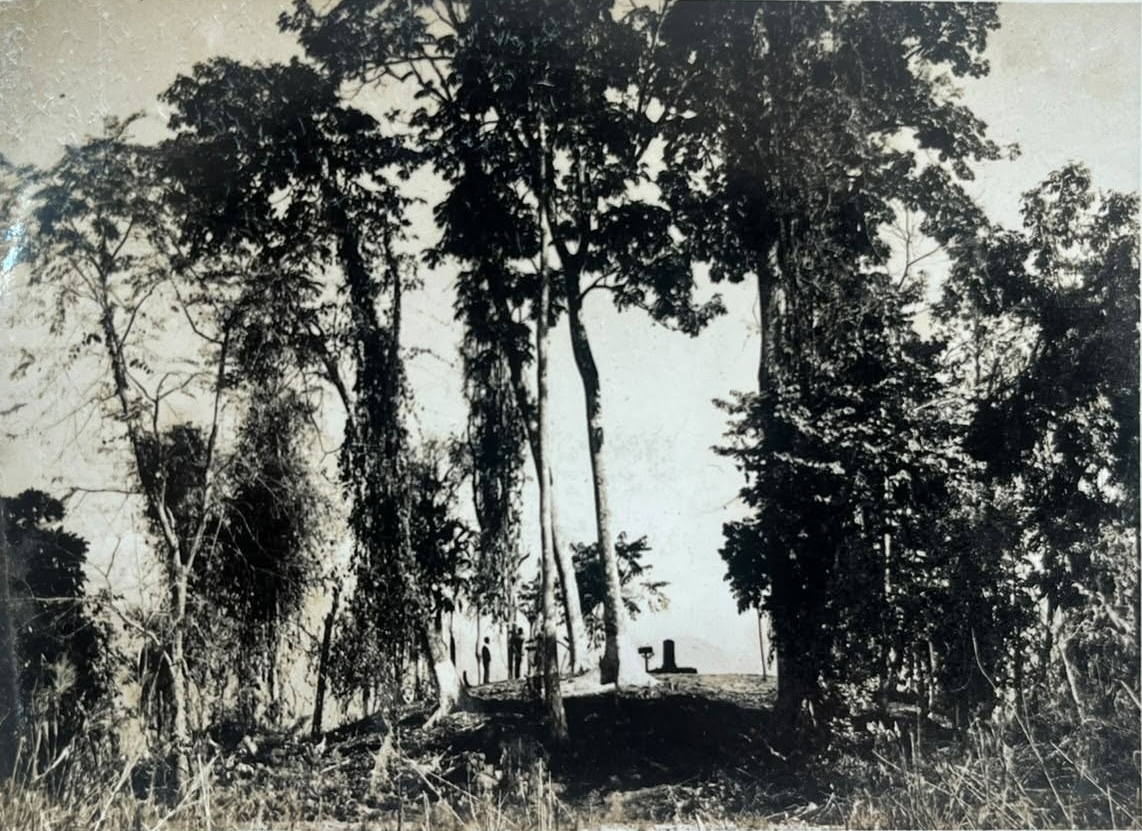
The modern Shiva temple near the daily bazaar in Tezu was subsequently constructed under the patronage of Tankakso Chai. According to the District Census Handbook, it is an east-facing reinforced-concrete structure with a plinth measuring about . The linga installed in its sanctum is identified as the one recovered from the Haju area in 1965–66.
See also
- Tamreswari Temple
- Bhismaknagar
- Chutia kingdom
- Arunachal Pradesh
- Tezu