
Padum Pukhuri, Sadiya
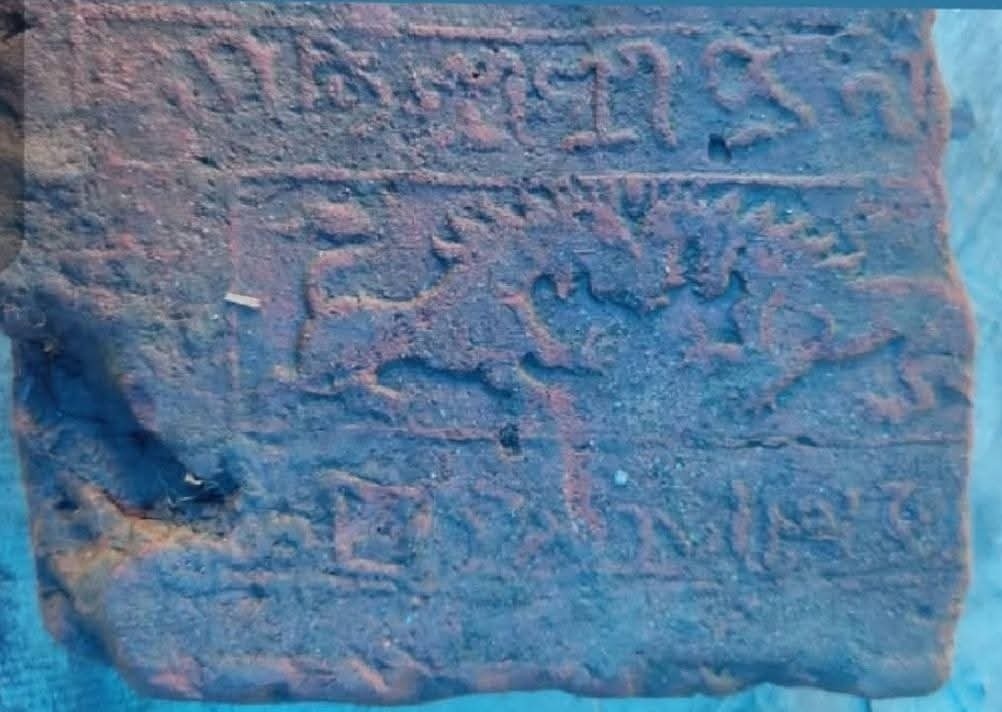
Padum Pukhuri is an archaeological tank located in Sadiya in the Tinsukia district of Assam, India. It forms part of the archaeological landscape of Sadiya, the medieval centre of the Chutia kingdom, and has traditionally been associated with the Chutia rulers. Archaeometric analysis of a brick collected from the bank of the tank indicated that it had been fired above approximately 800 °C; luminescence dating of the sample produced broad early-medieval age estimates after correction for anomalous fading. A brick found on Padum Pukhuri bearing the name of the Chutia ruler Pratyakshanarayana independently indicates a Chutia-period phase of brick construction at the site.
Etymology
The name Padum Pukhuri derives from the Assamese words padum (lotus) and pukhuri (pond), indicating that the tank was historically associated with lotus growth.
Historical context
Padum Pukhuri has traditionally been attributed to the rulers of the Chutia kingdom, whose political centre was at Sadiya during the late medieval period. A brick bearing the name of the Chutia ruler Pratyakshanarayana was found incorporated into the western brick embankment of the tank. Pratyakshanarayana is independently attested in the Chutia inscriptional tradition of the late 14th–early 15th century. A stone pillar with a sculpture formerly placed at the centre of the tank bears a lotus motif. The exact same lotus design occurs on terracotta plaques from the boundary wall of the Tamreswari Temple, which bears an inscription recording its construction under the Chutia ruler Mukta-Dharmanarayana in 1442 CE.
An archaeometric study published in 2024 analysed a single brick collected from the bank of Padum Pukhuri. The site had not been systematically excavated at the time of sampling. The brick was estimated to have been fired above approximately 800 °C. After correction for anomalous fading, thermoluminescence (TL), optically stimulated luminescence (OSL) and infrared stimulated luminescence (IRSL) measurements produced broad early-medieval age estimates.
Description
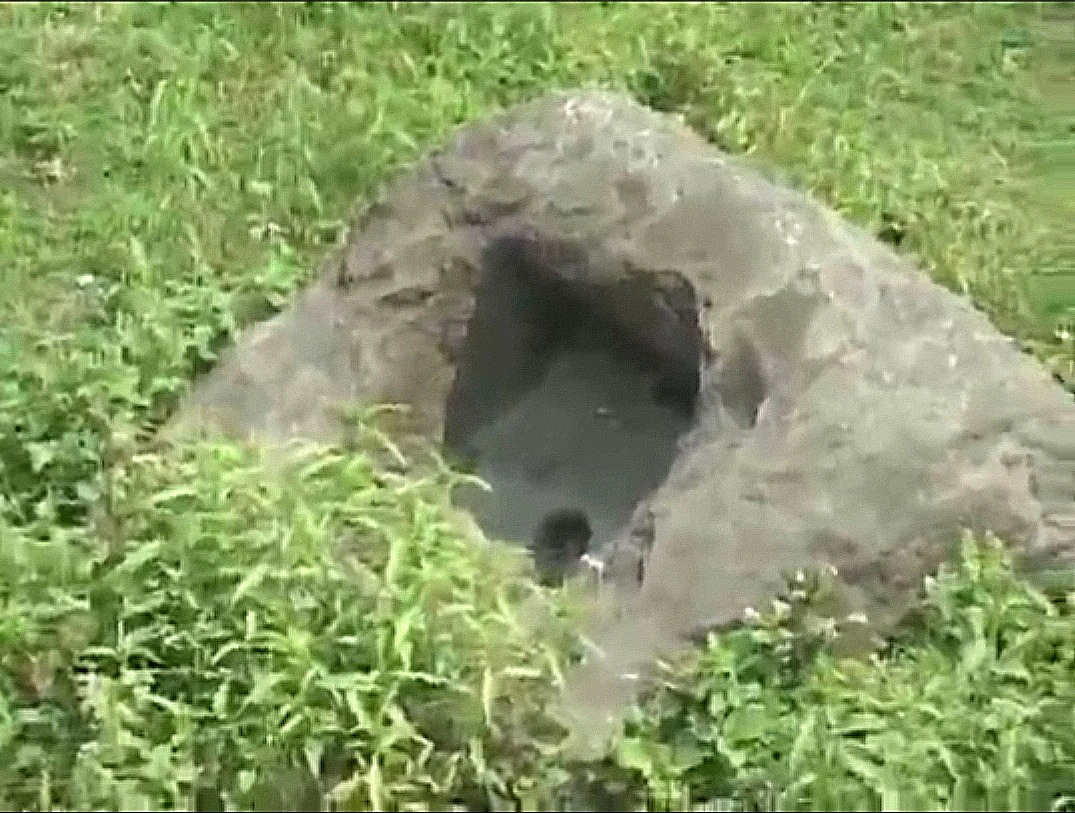
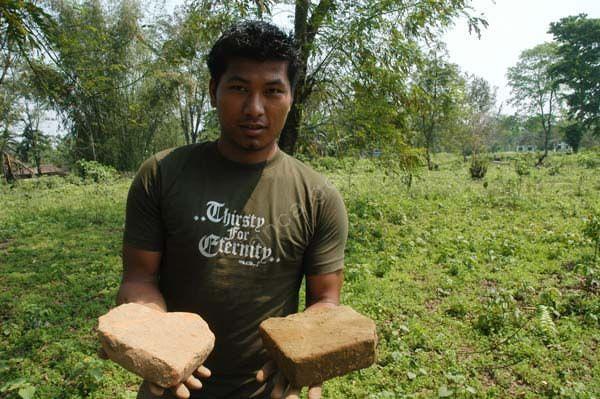
Padum Pukhuri is a large square tank measuring approximately 150 metres on each side, with a depth of around 3 metres. The tank is characterised by brick-built embankments, distinguishing it from many other water bodies in the region. In the centre of the tank was a stone sculpture of a deity which has now been displaced to the Rukmini Udyan in Sadiya town. Now, only the base of the statue remains in the tank. The lotus motif found on the statue matches that of the terracotta plate lotus motif found in the boundary wall of the Tamreswari Temple built by Chutia king Mukta-Dharmanarayana in 1442 AD. The structure appears to have been constructed using fired bricks, fragments of which are found along the banks. The tank is currently in a partially ruined state, with exposed brick sections visible on the western side. Buragohain suggests that these may represent remnants of steps or an access structure leading into the tank. The tank forms part of a larger network of hydraulic and urban structures in the region, including other tanks, fortifications and religious sites. These collectively illustrate the advanced planning and integration of water management systems within the settlement pattern of Sadiya.
Archaeological significance
Padum Pukhuri has not yet been systematically excavated. The brick sampled in the 2024 archaeometric study was collected from the bank of the tank rather than from a securely excavated stratigraphic context. The brick construction of Padum Pukhuri reflects the technological capabilities of the builders and aligns with broader patterns of brick usage across archaeological sites in Upper Assam. Archaeometric analysis classified the Padum Pukhuri sample as a non-calcareous, relatively high-fired brick, with an estimated firing temperature above approximately 800 °C. Similar high-temperature firing was identified in samples from Pratima Garh, Rukmini Garh and one of the three bricks examined from Mouramora, while two other Mouramora samples were estimated to have been fired below 650 °C. The variation indicates that more than one brick-production process was represented among the sites and samples examined. It is currently under the supervision of the Directorate of Archaeology, Assam, though signs of human disturbance such as soil extraction and grazing activity have been observed.
Gallery



See also
- Bhismaknagar
- Barnagar, Sadiya
- Gomsi
- Rukmininagar Fort
- Chutia kingdom