
McGhee et al. v. Le Sage & Co., Inc.
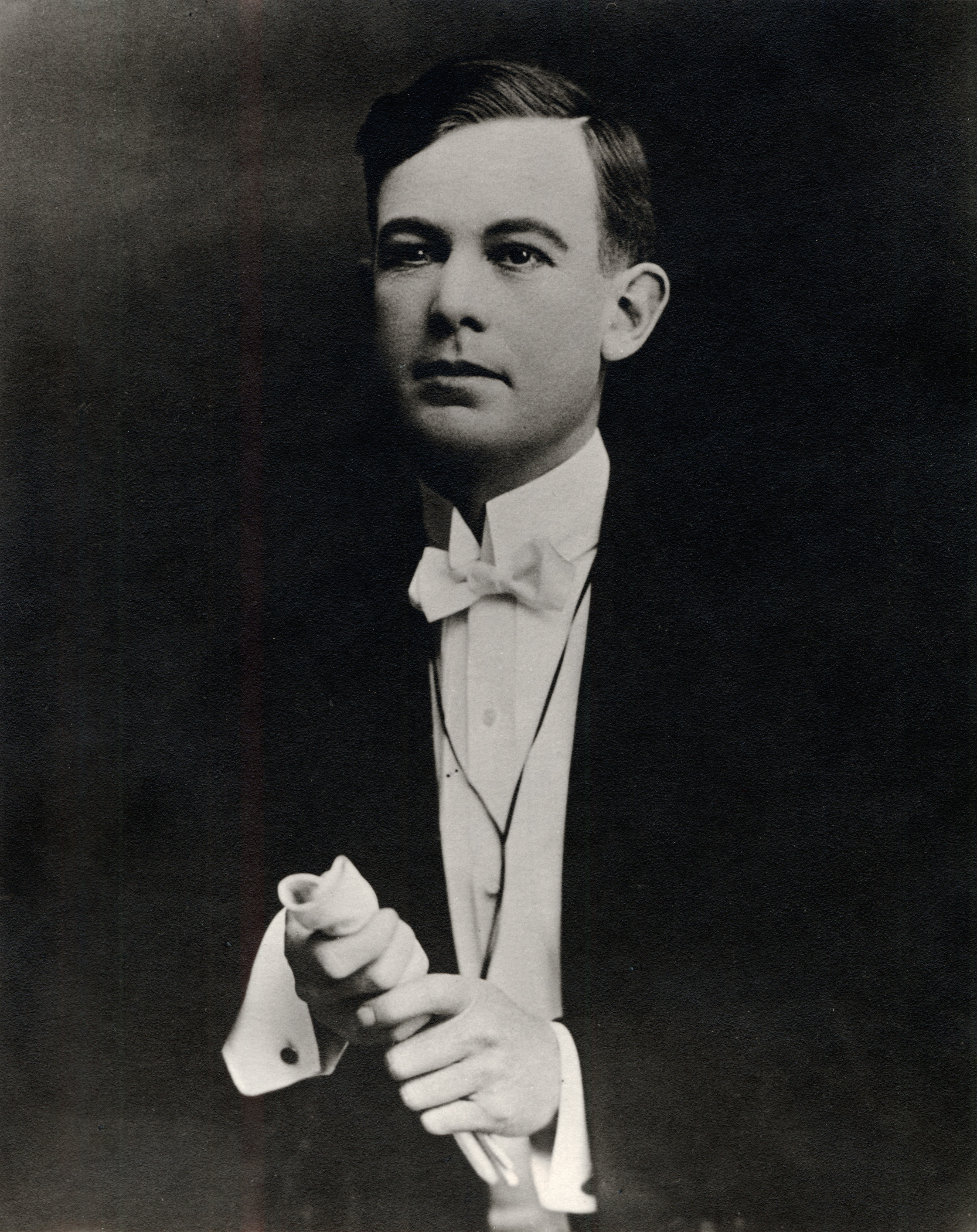 McGhee et al. v. Le Sage & Co., Inc., 32 F.2d 875 (9th Cir. 1929), was a 1929 legal case in the US 9th circuit that established a precedent in patent law. The case established in the 9th circuit the doctrine that prior publication prevents an invention being considered novel; on this basis, his patent was ruled invalid.
The case
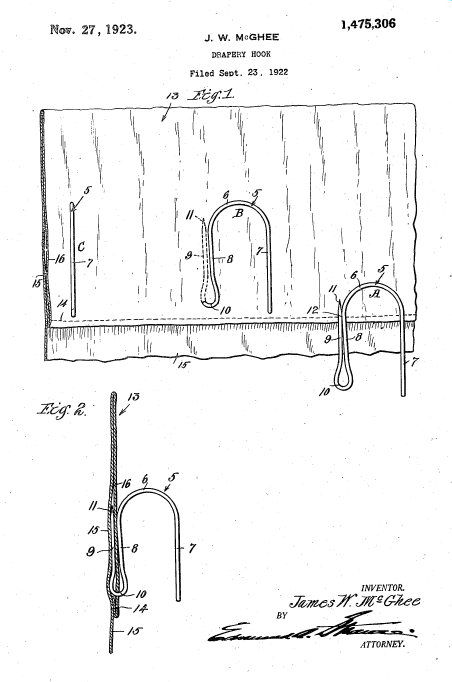 On November 27, 1923 James William McGhee (April 28, 1882–August 6, 1968) was issued U.S. patent no 1,475,306 for a drapery hook. He co-founded McGhee and Jinks Manufacturing Co. in Los Angeles, California where he manufactured the hooks, rings, and other drapery hardware. The drapery hook keeps the draperies attached to the traverse tracks and drapery rods.
McGhee sued for infringement, but the district court found the patent to be invalid. He appealed, but the finding was affirmed by the United States Court of Appeals for the Ninth Circuit, which found that hook designs were not patentable:
With the lower court, we fail to find in plaintiffs' device any patentable novelty; certainly there is no invention in the hook member. Hooks of all shapes and materials are among the commonest things of life. In size, strength, and shape they are to be adapted to needs and tastes, and the adaptation of a hook to suit the pole, rod, bar, or rings from which the drapery is to hang is readily made by any person of common intelligence. There is no invention.
There is no indication that his Canadian patent for the drapery hook was ever questioned, licensed or litigated.