
List of superfoods
This list of superfoods includes any so-called 'superfood' claimed by marketers to have unusually high nutritional or dietary medicinal value, along with known claims and refutations regarding their efficacy. It is important to note that the term is discouraged by professional dieticians and there is no agreed scientific definition, though some attempts have been made to establish limited, relative metrics such as nutrient density.
Algae
Chlorella
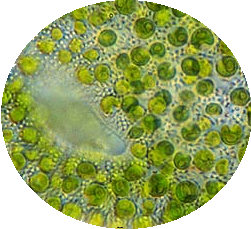 Chlorella is a genus of single-cell green algae, belonging to the phylum Chlorophyta. It is spherical in shape, AbOUT 2 to 10 μm in diameter, and is without flagella. Chlorella contains the green photosynthetic pigments chlorophyll-a and -b in its chloroplast. Through photosynthesis, it multiplies rapidly, requiring only carbon dioxide, water, sunlight, and a small amount of minerals to reproduce.
Chlorella has a number of purported health effects, including an ability to treat cancer. However, according to the American Cancer Society, "available scientific studies do not support its effectiveness for preventing or treating cancer or any other disease in humans".
A 2001 study concluded that "daily dietary supplementation with chlorella may reduce high blood pressure, lower serum cholesterol levels, accelerate wound healing, and enhance immune functions" and recommended further study. A 2002 study concluded that "for some subjects with mild to moderate hypertension, a daily dietary supplement of Chlorella reduced or kept stable their SiDBP".
Spirulina
Dried spirulina contains about 60% (51–71%) protein. It is a complete protein containing all essential amino acids, though with reduced amounts of methionine, cysteine and lysine when compared to the proteins of meat, eggs and milk. It is, however, superior to typical plant protein, such as that from legumes.
The U.S. National Library of Medicine said that spirulina was no better than milk or meat as a protein source, and was approximately 30 times more expensive per gram.
Spirulina's lipid content is about 7% by weight, and is rich in gamma-linolenic acid (GLA), and also provides alpha-linolenic acid (ALA), linoleic acid (LA), stearidonic acid (SDA), eicosapentaenoic acid (EPA), docosahexaenoic acid (DHA) and arachidonic acid (AA). Spirulina contains vitamins B1 (thiamine), B2 (riboflavin), B3 (nicotinamide), B6 (pyridoxine), B9 (folic acid), vitamin C, vitamin A and vitamin E. It is also a source of potassium, calcium, chromium, copper, iron, magnesium, manganese, phosphorus, selenium, sodium and zinc. Spirulina contains many pigments which may be beneficial and bioavailable, including beta-carotene, zeaxanthin, chlorophyll-a, xanthophyll, echinenone, myxoxanthophyll, canthaxanthin, diatoxanthin, 3'-hydroxyechinenone, beta-cryptoxanthin and oscillaxanthin, plus the phycobiliproteins c-phycocyanin and allophycocyanin.
Although spirulina contains pseudovitamin B12, it is not bioavailable and the American Dietetic Association and Dietitians of Canada in their position paper on vegetarian diets state that spirulina cannot be counted on as a reliable source of active vitamin B12. The medical literature similarly advises that spirulina is unsuitable as a source of B12.
According to the U.S. National Institutes of Health, at present there is insufficient scientific evidence to recommend spirulina supplementation for any human condition, and more research is needed to clarify its benefits, if any.
Drinks
Kombucha
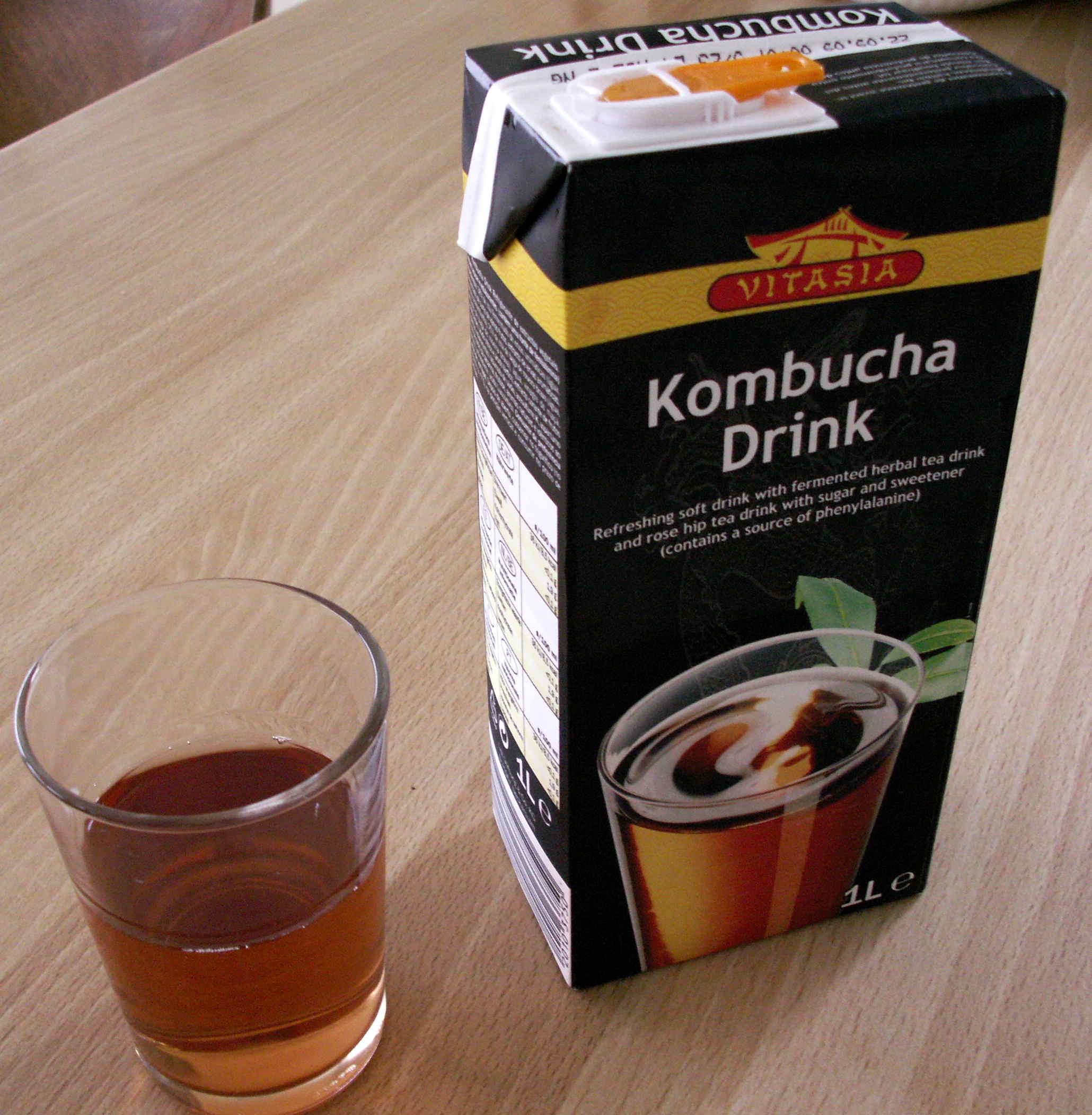 Kombucha is a lightly effervescent fermented drink of sweetened black tea that is used as a functional food. Although kombucha is claimed to have several beneficial effects on health, these claims are not supported by scientific evidence.
In a recent study, alternative diets such as probiotics, green tea extract and Kombucha tea were fed to broiler chickens to measure the effects of growth and immunity. The chickens fed with Kombucha showed an increase in protein digestibility. The conclusion of the study stated, “adding Kombucha tea (20 % concentration) to wet wheat-based diets improved broiler performance and had a growth-promoting effect. Probiotic diets also resulted in enhanced growth and performance, but to a lesser extent.”
Drinking kombucha has been linked to serious side effects and deaths. Reports of adverse reactions may be related to unsanitary fermentation conditions, leaching of compounds from the fermentation vessels, or "sickly" kombucha cultures that cannot acidify the brew.
According to the American Cancer Society, Kombucha has been promoted as a "cure-all" for many conditions, but
Wheatgrass
Wheatgrass is a food prepared from the cotyledons of the common wheat plant, Triticum aestivum (subspecies of the family Poaceae). It is sold either as a juice or powder concentrate. Wheatgrass differs from wheat malt in that it is served freeze-dried or fresh, while wheat malt is convectively dried. Wheatgrass is allowed to grow longer than malt. Like most plants, it contains chlorophyll, amino acids, minerals, vitamins, and enzymes.
Wheatgrass is a good source of potassium, a very good source of dietary fiber, Vitamin A, Vitamin C, Vitamin E (Alpha Tocopherol), Vitamin K, Thiamin, Riboflavin, Niacin, Vitamin B6, Pantothenic Acid, Iron, Zinc, Copper, Manganese and Selenium, and has negligible amount of protein (less than one gram per 28 grams). Adding other foods with complementary amino acid profiles to this food may yield a more complete protein source and improve the quality of some types of restrictive diets.
Wheat grass can be traced back in history over 5000 years, to ancient Egypt and perhaps even early Mesopotamian civilizations. It is purported that ancient Egyptians found sacred the young leafy blades of wheat and prized them for their positive effect on their health and vitality.
The consumption of wheatgrass in the Western world began in the 1930s as a result of experiments conducted by Charles F. Schnabel in his attempts to popularize the plant. By 1940, cans of Schnabel's powdered grass were on sale in major [...] stores throughout the United States and Canada.
Proponents of wheatgrass make many claims for its health properties, ranging from promotion of general well-being to cancer prevention. However, according to the American Cancer Society, "available scientific evidence does not support the idea that wheatgrass or the wheatgrass diet can cure or prevent disease". There is some limited evidence of beneficial pharmacological effects from chlorophyll, though this does not necessarily apply to dietary chlorophyll.
A small 2002 study showed some evidence that wheatgrass might help with the symptoms of ulcerative colitis, but without further work the significance of this work cannot be determined. Another small 2002 study suggested wheatgrass might help with the side-effects of breast cancer chemotherapy.
Fruits
Berries
Possibly the most studied superfood group, berries remain under scientific evaluation and are not proven to have "superfood" health benefits.
Blueberries
Blueberries, a popular example of a superfood, are not especially nutritious, having high content of only three essential nutrients: vitamin C, vitamin K and manganese.
In a peer-reviewed study of the nutrient density of 41 "powerhouse" fruits and vegetables by the US Center for Disease Control, it was one of six originally intended for study but that failed to qualify entirely.
Cape gooseberry (inca berry)
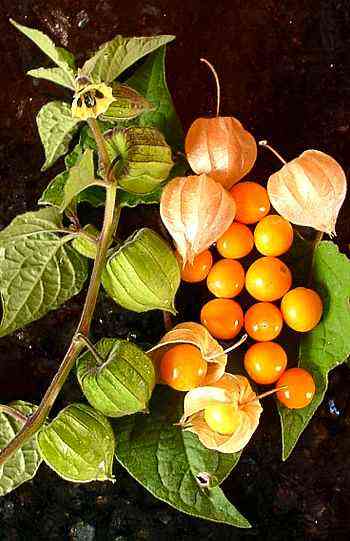
Physalis peruviana is indigenous to South America but broadly cultivated worldwide. It is closely related to the tomatillo, also a member of the genus Physalis. As a member of the plant family Solanaceae, it is more distantly related to a large number of edible plants, including tomato, eggplant, potato and other members of the nightshades. They are marketed in the United States as Pichuberry™, named after Machu Picchu in order to associate the fruit with its supposed origin in Peru and address the fact that this fruit is actually not a gooseberry as the name 'Cape gooseberry' may imply.
According to analyses by the USDA, a 100 g serving of Cape gooseberries is low in calories and contains modest levels of vitamin A, vitamin C, vitamin B1 and vitamin B3, while other nutrients are at low levels.
Basic research on the cape gooseberry has provided preliminary evidence that its constituents, possibly polyphenols and/or carotenoids, may have anti-inflammatory and antioxidant properties.
The crude extract of the fruit-bearing plant has in vitro evidence for activity against markers of inflammation and lung cancer. It has also shown possible properties in vitro against diabetes and hypertension mechanisms. Some withanolides isolated from the plant may have anticancer activity.
Antihepatotoxic effects (in rats) against carbon tetrachloride toxicity were found in one laboratory study. One preliminary study found evidence for melatonin content in Physalis peruviana.
Goji berry (wolfberry)
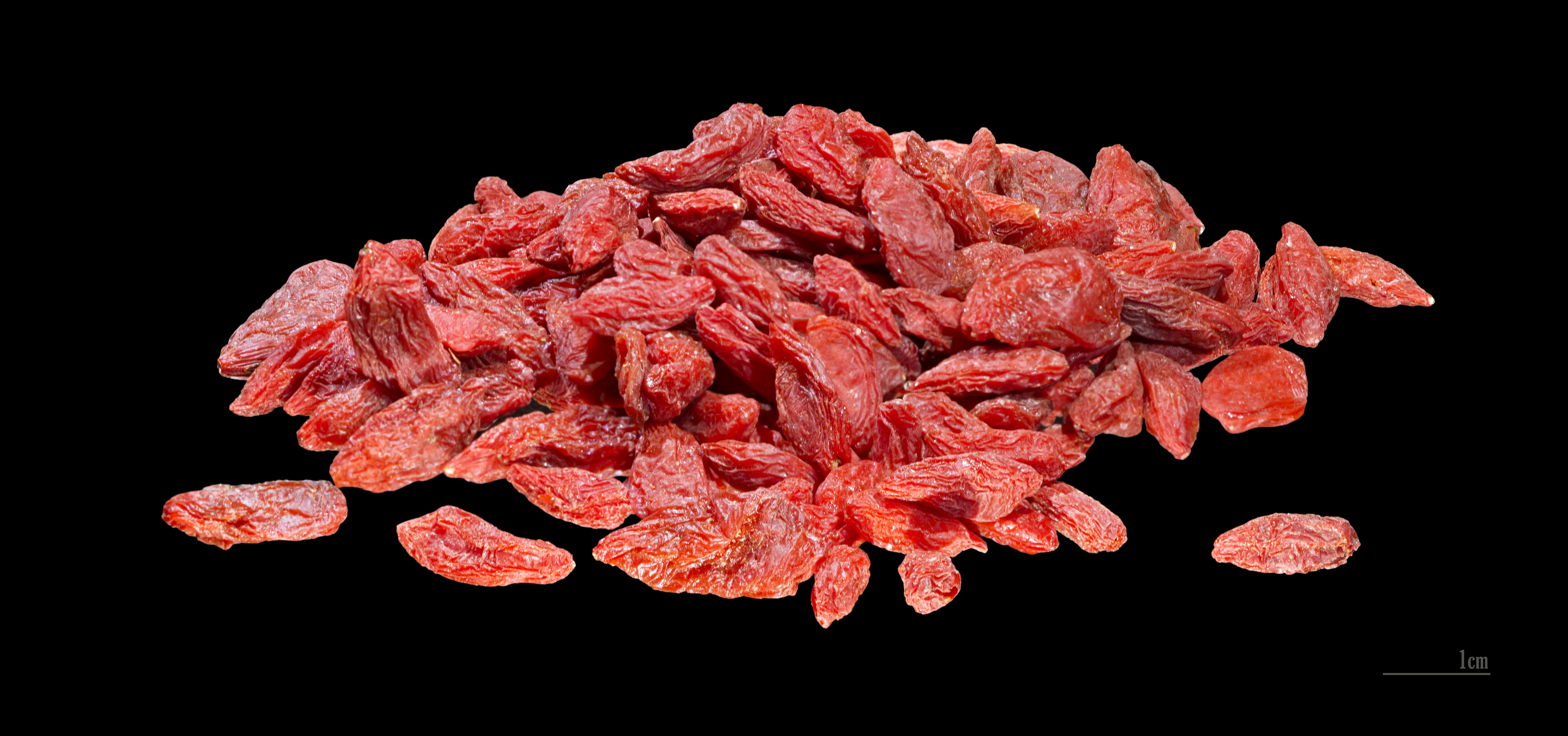 Goji berries are small red berries, smaller than an average sultana, that are generally dried and then rehydrated to be traditionally consumed in teas, soups, sauces and alcohols of China and Japan. They are known to be exceptionally high in antioxidants, and studies have shown consumption "increases plasma zeaxanthin and antioxidant levels" which suggests a general health benefit with particular respect to reducing vision degradation due to aging.
Camucamu
A small tropical fruit (Myrciaria dubia) shaped like a cherry that contains high vitamin C content, flavonoids and anthocyanins. A 2008 study suggested that it "may have powerful anti-oxidative and anti-inflammatory properties, compared to vitamin C tablets containing equivalent vitamin C content. These effects may be due to the existence of unknown anti-oxidant substances besides vitamin C or unknown substances modulating in vivo vitamin C kinetics in camu-camu." A 2013 study on rats suggested that it may assist with controlling obesity.
Citrus
Coconuts
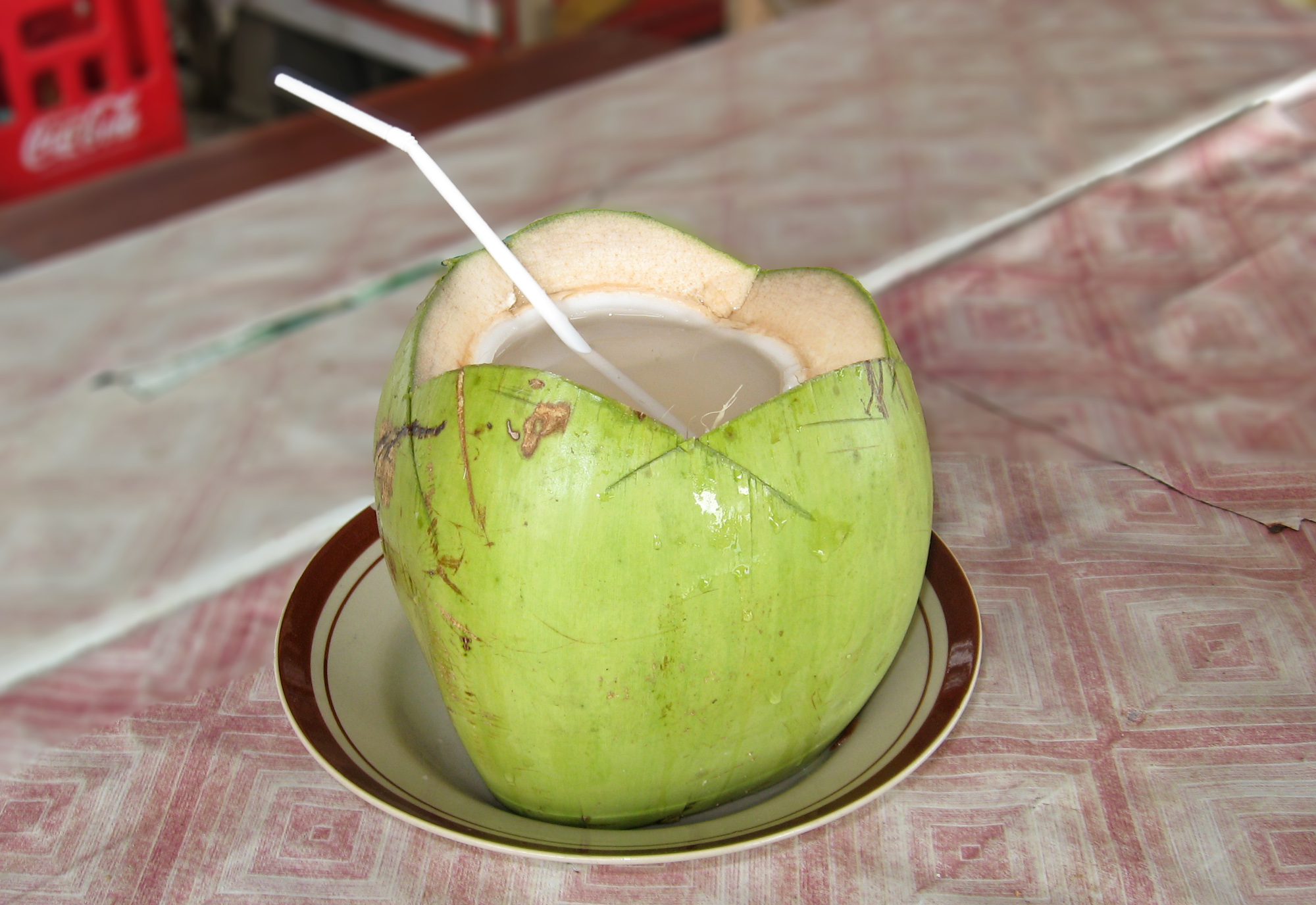 Coconuts may help benign prostatic hyperplasia. In rats, virgin coconut oil reduced total cholesterol, triglycerides, phospholipids, LDL, and VLDL cholesterol levels and increased HDL cholesterol in serum and tissues. The hexane fraction of coconut peel may contain novel anticancer compounds. Young coconut juice has estrogen-like characteristics. Inside a coconut is a cavity filled with coconut water, which is sterile until opened. It mixes easily with blood, and was used during World War II in emergency transfusions. It can also serve as an emergency short-term intravenous hydration fluid. This is possible because the coconut water has a high level of sugar and other salts that makes it possible to be used in the bloodstream, much like the modern lactated Ringer solution or a dextrose/water solution as an intravenous solution (IV). Coconut is also commonly used as a traditional remedy in Pakistan to treat bites from rats. The tea from the husk fiber is widely used to treat several inflammatory disorders.
In recent years, coconut water has been marketed as a natural energy or sports drink due to its high potassium and mineral content. Marketers have also promoted coconut water for having low levels of fat, carbohydrates, and calories. However, marketing claims attributing tremendous health benefits to coconut water are largely unfounded.
Lúcuma
Pouteria lucuma (one of two species sometimes known as "eggfruit") is a subtropical fruit native to the Andean valleys of Peru. It has high levels of carotene, vitamin B3, and other B vitamins. The round or ovoid fruits are green, with a bright yellow flesh that is often fibrous.
Vegetables
Cruciferous greens
Cruciferous vegetables are vegetables of the family Brassicaceae (also called Cruciferae). These vegetables are widely cultivated, with many genera, species, and cultivars being raised for food production such as cauliflower, cabbage, cress, bok choy, broccoli and similar green leaf vegetables. The family takes its alternate name (Cruciferae, New Latin for "cross-bearing") from the shape of their flowers, whose four petals resemble a cross.
Ten of the most common cruciferous vegetables eaten by people, known colloquially as cole crops, are in a single species (B. oleracea); they are not distinguished from one another taxonomically, only by horticultural category of cultivar groups. Numerous other genera and species in the family are also edible. Cruciferous vegetables are one of the dominant food crops worldwide. They are high in vitamin C and soluble fiber and contain multiple nutrients and phytochemicals.
Aragula
Broccoli
Brussels sprouts
Chinese cabbage
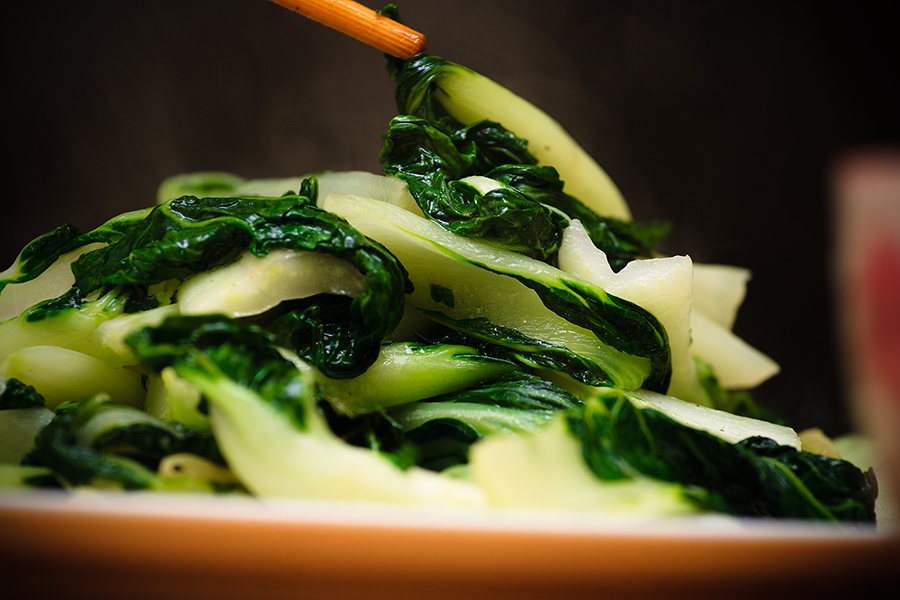 Brassica rapa (usually known in English in its romanized Cantonese form, Bok choy or pak choi, also dàbáicài in Mandarin; lit. "large white vegetable" despite its green color) contains a high amount of vitamin A per 4oz. of serving - about 3500 IU. It also contains approximately 50 mg of vitamin C per 4 oz. serving.
It was ranked second for nutrient density out of 41 "powerhouse" fruits and vegetables in a peer-reviewed US Center for Disease Control study.
Collard greens
Kale
Watercress
Watercress (Nasturtium officinale) is a rapidly growing, aquatic or semi-aquatic, perennial plant native to Europe and Asia, and one of the oldest known leaf vegetables consumed by humans. It is currently a member of the family Brassicaceae, botanically related to garden cress, mustard and radish — all noteworthy for their peppery, tangy, zesty, piquant flavor.
Watercress contains significant amounts of iron, calcium, iodine, and folic acid, in addition to vitamins A and C. Because it is relatively rich in Vitamin C, watercress was suggested (among other plants) by English military surgeon John Woodall (1570–1643) as a remedy for scurvy.
Many benefits from eating watercress are claimed, such as that it acts as a stimulant, a source of phytochemicals and antioxidants, a diuretic, an expectorant, and a digestive aid. It also appears to have antiangiogenic cancer-suppressing properties; it is widely believed to help defend against lung cancer. A 2010 study conducted by the University of Southampton found that consumption of watercress may also inhibit the growth of breast cancer. The content of phenethyl isothiocyanate (PEITC) in watercress inhibits HIF, which can inhibit angiogenesis.
It was ranked first for nutrient density out of 41 "powerhouse" fruits and vegetables in a peer-reviewed US Center for Disease Control study.
Green leafy
Beet green
Chard (Swiss chard)
Chicory
Dandelion leaves
Taraxacum is a large genus of flowering plants in the family Asteraceae. They are native to Eurasia and North and South America, and two species, T. officinale and T. erythrospermum, are found as weeds worldwide. Both species are edible in their entirety.
Dandelion leaves contain abundant vitamins and minerals, especially vitamins A, C and K, and are good sources of calcium, potassium, iron and manganese.
Historically, dandelion was prized for a variety of medicinal properties, and it contains a wide number of pharmacologically active compounds. Dandelion is used as a herbal remedy in Europe, North America and China. It has been used in herbal medicine to treat infections, bile and liver problems, and as a diuretic.
Leaf lettuce
Spinach
Preserves
Sauerkraut
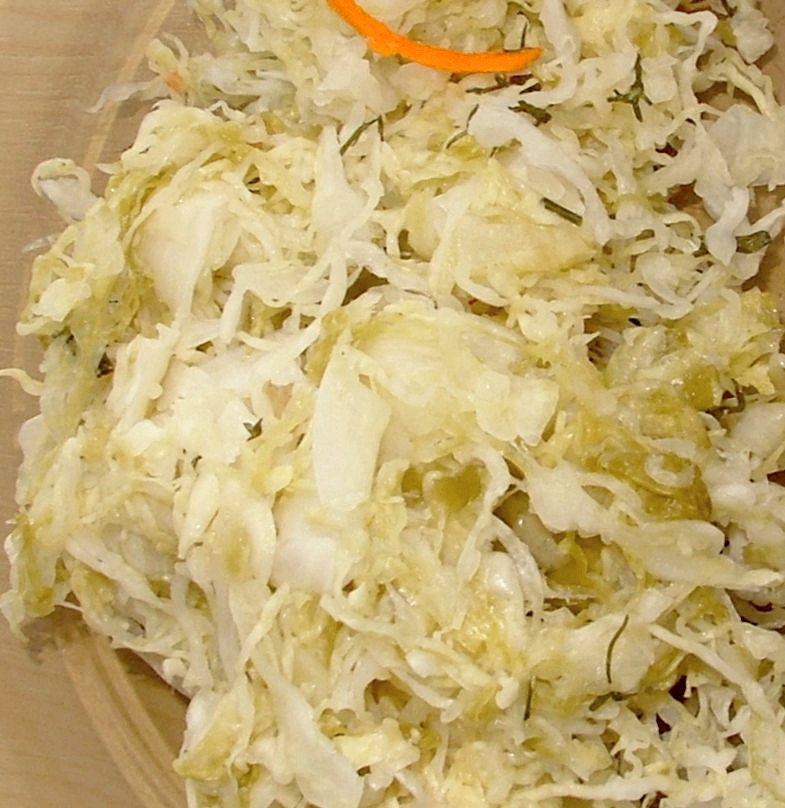 Sauerkraut ("sour cabbage") is finely cut cabbage that has been fermented by various lactic acid bacteria, including Leuconostoc, Lactobacillus, and Pediococcus. It has a long shelf-life and a distinctive sour flavor, both of which result from the lactic acid that forms when the bacteria ferment the sugars in the cabbage. Sauerkraut is also used as a condiment upon various foods, such as meat dishes and hot dogs. Nutritionally, it is a source of vitamins C, B, and K; the fermentation process increases the bioavailability of nutrients rendering sauerkraut even more nutritious than the original cabbage. It is also low in calories and high in calcium and magnesium, and it is a very good source of dietary fiber, folate, iron, potassium, copper and manganese.
The October 23, 2002 issue of the Journal of Agriculture and Food Chemistry reported that Finnish researchers found the isothiocyanates produced in sauerkraut fermentation inhibit the growth of cancer cells in test tube and animal studies. A Polish study in 2010 concluded that "... induction of the key detoxifying enzymes by cabbage juices, particularly sauerkraut, may be responsible for their chemopreventive activity demonstrated by epidemiological studies and in animal models".
Sauerkraut is high in the antioxidants lutein and zeaxanthin, both associated with preserving ocular health.
Legumes
Beans
Lentils
Maca
Lepidium meyenii is an herbaceous biennial plant of the crucifer family native to the high Andes of Peru around Lake Junin. It is grown for its fleshy hypocotyl (a fused hypocotyl and taproot), which is used as a root vegetable, a medicinal herb, and a supposed aphrodisiac. However, there is no evidence that it benefits [...] or erectile dysfunction in older people, and overall any evidence of aphrodisiac properties is limited.
Peanuts
Raw cocoa
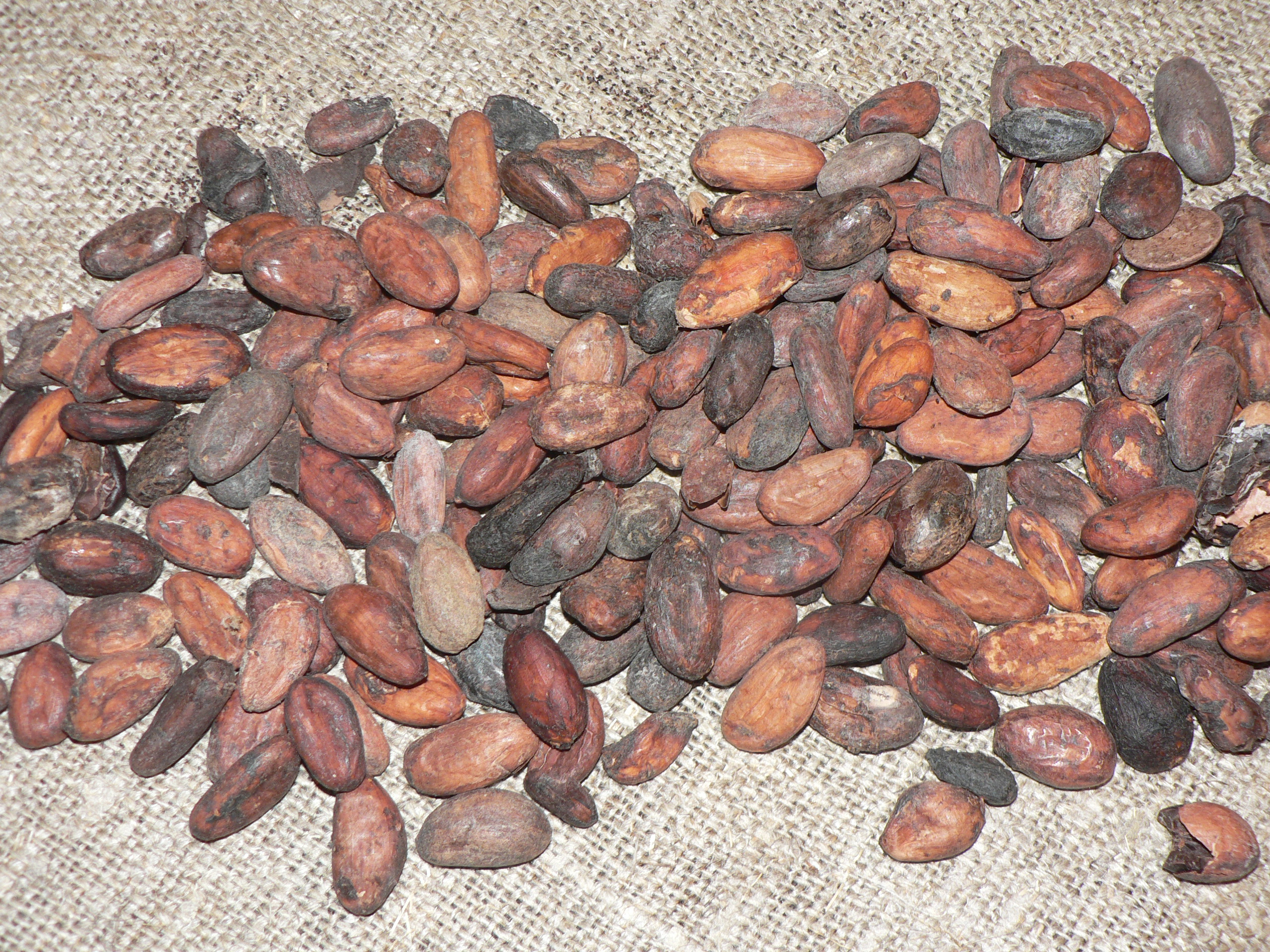 In general chocolate and cocoa, made from the species Theobroma cacao, are considered to be a rich source of antioxidants such as procyanidins and flavanoids, which may impart anti aging properties. Chocolate and cocoa also contain a high level of flavonoids, specifically epicatechin, which may have beneficial cardiovascular effects on health.
The stimulant activity of cocoa comes from the compound theobromine which is less diuretic as compared to theophylline found in tea. Prolonged intake of flavanol-rich cocoa has been linked to cardiovascular health benefits, though it should be noted that this refers to raw cocoa and to a lesser extent, dark chocolate, since flavonoids degrade during cooking and alkalizing processes. Studies have found short term benefits in LDL cholesterol levels from dark chocolate consumption. The addition of whole milk to milk chocolate reduces the overall cocoa content per ounce while increasing saturated fat levels. Although one study has concluded that milk impairs the absorption of polyphenolic flavonoids, e.g. epicatechin, a followup failed to find the effect.
Hollenberg and colleagues of Harvard Medical School studied the effects of cocoa and flavanols on Panama's Kuna people, who are heavy consumers of cocoa. The researchers found that the Kuna Indians living on the islands had significantly lower rates of heart disease and cancer compared to those on the mainland who do not drink cocoa as on the islands. It is believed that the improved blood flow after consumption of flavanol-rich cocoa may help to achieve health benefits in hearts and other organs. In particular, the benefits may extend to the brain and have important implications for learning and memory.
Foods rich in cocoa are alleged to reduce blood pressure, for example according to an analysis of previously published research in the April 9, 2007 issue of Archives of Internal Medicine, one of the JAMA/Archives journals. In one study, raw cocoa had positive effects on blood pressure and markers of heart health, while other research indicated less certainty about the possible effects of cocoa on cardiovascular disease.
A 15-year study of elderly men published in the Archives of Internal Medicine in 2006 found a 50 percent reduction in cardiovascular mortality and a 47 percent reduction in all-cause mortality for the men regularly consuming the most cocoa, compared to those consuming the least cocoa from all sources.
Sacha inchi (inca/sacha/mountain peanut)
Plukenetia volubilis is a perennial plant with somewhat hairy leaves, in the Euphorbiaceae. It is endemic to the Amazon Rainforest in Peru, where it has been cultivated by indigenous people for centuries. In tropical locations it is often a vine requiring support and producing seeds nearly year-round.
The fruits are capsules of 3 to 5 cm in diameter with 4 to 7 points, are green and ripen blackish brown. On ripening the fruits contain a soft black wet pulp that is messy and inedible, so are normally left to dry on the plant before harvest. By two years of age, often up to a hundred dried fruits can be harvested at a time, giving 400 to 500 seeds a few times a year. Fruit capsules usually consist of four to five lobes, but some may have up to seven. Raw seeds are inedible, but roasting after shelling makes them very palatable. The seeds have high protein (27%) and oil (35 - 60%) content, and the oil is rich in the essential fatty acids omega-3 linolenic acid (≈45-53% of total fat content) and omega-6 linoleic acid (≈34-39% of fat content), as well as non-essential omega-9 (≈6-10% of fat content). They are also rich in iodine, vitamin A, and vitamin E.
Sweet potatoes
Fatty fish
Mackerel, salmon and sardines
Mushrooms
Chaga mushrooms
Oyster mushrooms
Cordyceps
Maitake mushrooms
Certain wild mushrooms
Seeds
Chia seeds
Salvia hispanica is a species of flowering plant in the mint family, Lamiaceae, native to central and southern Mexico and Guatemala. The 16th-century Codex Mendoza provides evidence that it was cultivated by the Aztec in pre-Columbian times; economic historians have suggested it was as important as maize as a food crop. It is still used in Paraguay, Bolivia, Argentina, Mexico and Guatemala, sometimes with the seeds ground or with whole seeds used for nutritious drinks and as a food source.
Chia is grown commercially for its seed, a food that is rich in omega-3 fatty acids, since the seeds yield 25–30% extractable oil, including α-linolenic acid (ALA). Of total fat, the composition of the oil can be 55% ω-3, 18% ω-6, 6% ω-9, and 10% saturated fat.
According to the USDA, a one ounce (28 gram) serving of chia seeds contains 9 grams of fat, 5 milligrams of sodium, 11 grams of dietary fiber, 4 grams of protein, 18% of the recommended daily intake of calcium, 27% phosphorus and 30% manganese. These nutrient values are similar to other edible seeds, such as flax or sesame.
In 2009, the European Union approved chia seeds as a novel food, allowing up to 5% of a bread product's total matter.
Chia seeds may be added to other foods as a topping or put into smoothies, breakfast cereals, energy bars, yogurt, made into a gelatin-like substance, or consumed raw.
Although preliminary research indicates potential for health benefits from consuming chia seeds, this work remains sparse and inconclusive.
One pilot study found that 10 weeks ingestion of 25 grams per day of milled chia seeds, compared to intact seeds, produced higher blood levels of alpha-linolenic acid and eicosapentaenoic acid, an omega-3 long-chain fatty acid considered good for the heart, while having no effect on inflammation or disease risk factors.
Flax seeds
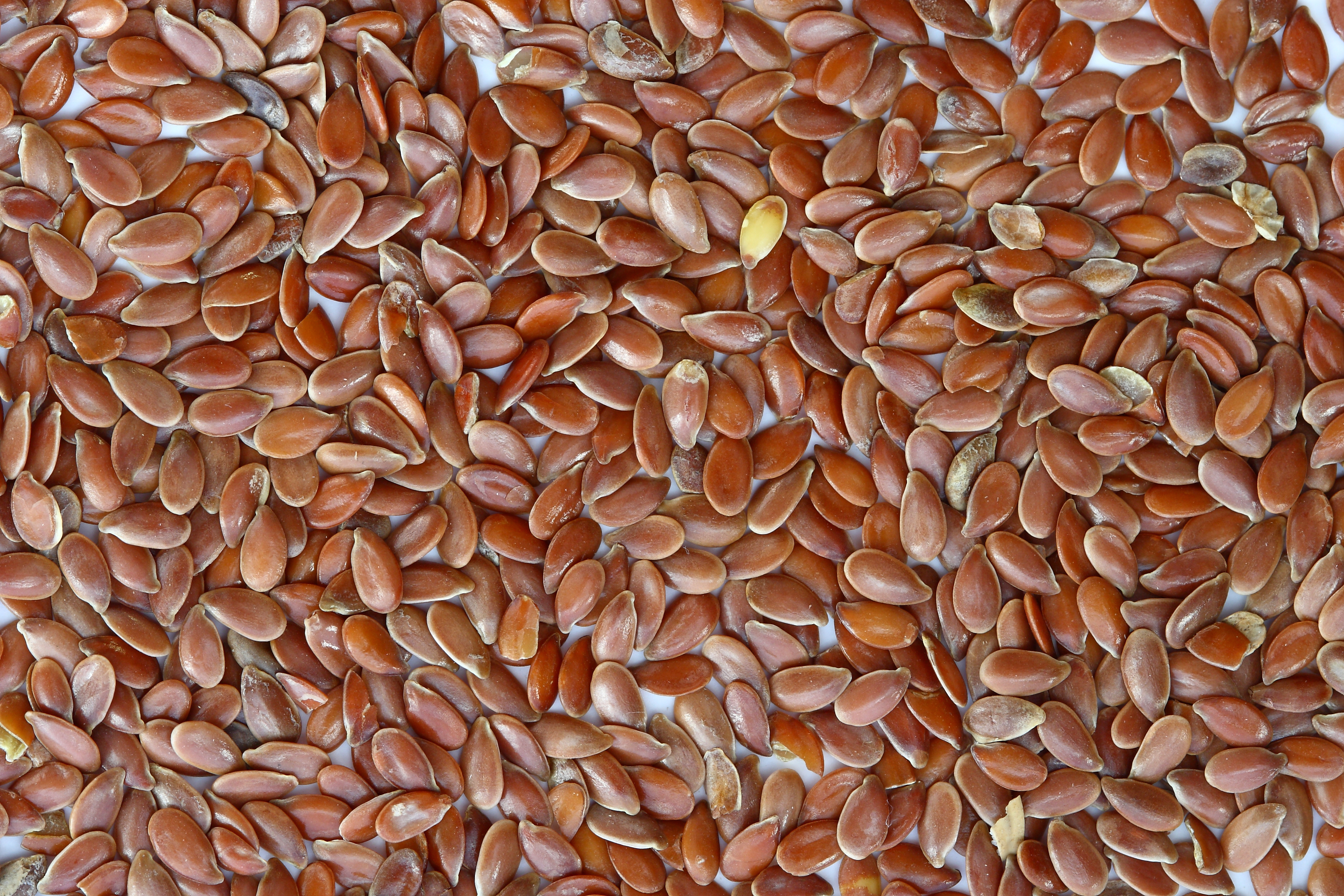 Flax seeds contain high levels of dietary fiber as well as lignans, an abundance of micronutrients and omega-3 fatty acids. Studies have shown that flax seeds may lower cholesterol levels, although with differing results in terms of gender. One study found results were better for women whereas a later study found benefits only for men. Initial studies suggest that flax seeds taken in the diet may benefit individuals with certain types of breast and prostate cancers. A study done at Duke University suggests that flaxseed may stunt the growth of prostate tumors, although a meta-analysis found the evidence on this point to be inconclusive. Flax may also lessen the severity of diabetes by stabilizing blood-sugar levels. There is some support for the use of flax seed as a laxative due to its dietary fiber content though excessive consumption without liquid can result in intestinal blockage.
Linum usitatissimum seeds have been used in the traditional Austrian medicine internally (directly soaked or as tea) and externally (as compresses or oil extracts) for treatment of disorders of the respiratory tract, eyes, infections, cold, flu, fever, rheumatism and gout.
One of the main components of flax is lignan, which has plant estrogen as well as antioxidants (flax contains 75-800 times more lignans than other plant foods contain).
Hemp seeds
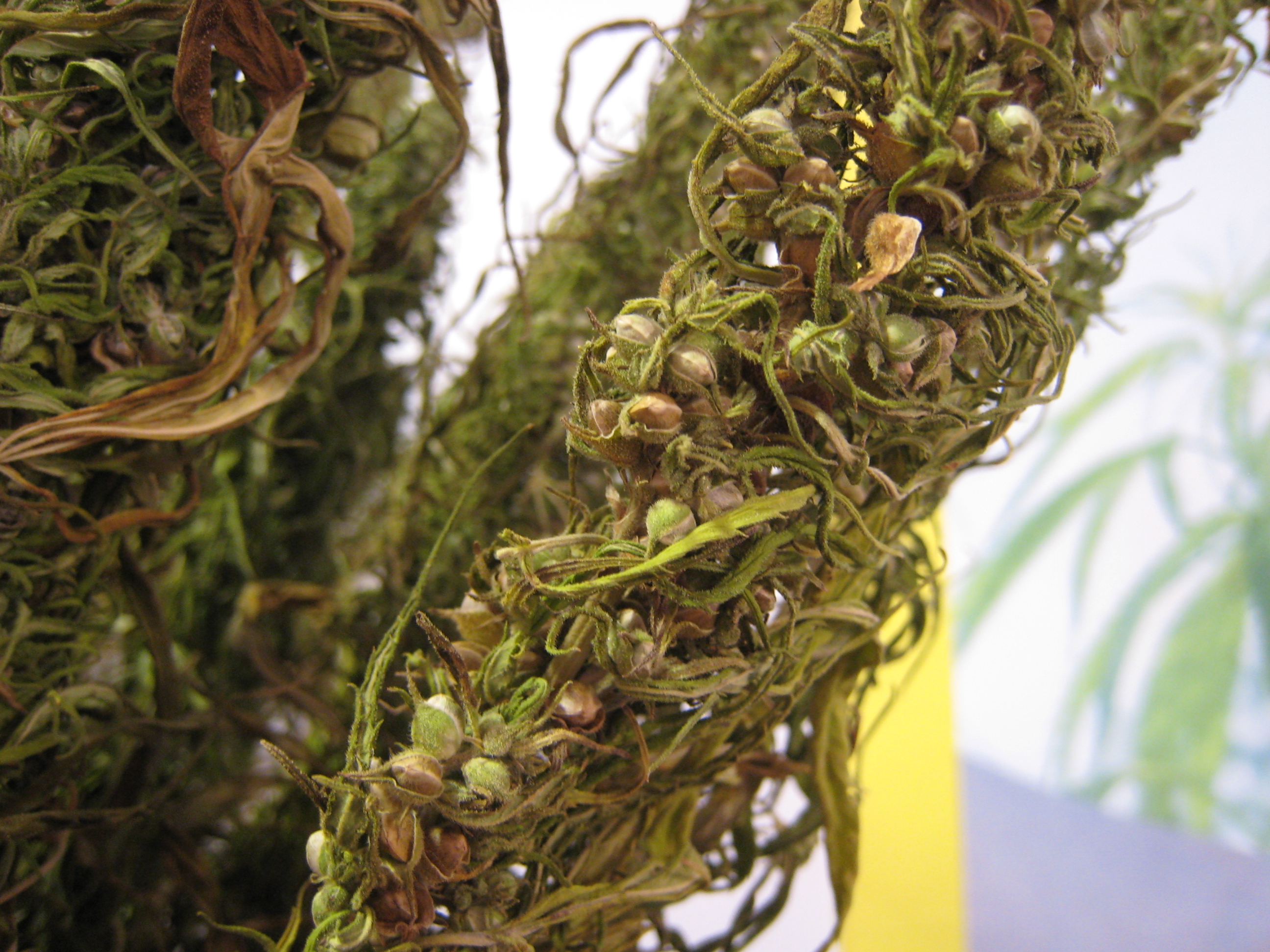 Hemp seeds have been used for millennia in China, where they are known as 麻子 (pinyin: mazi) and reference was first made to their gathering prior to winter "in the ninth month" in the Classic of Poetry (which is dated to the 11th to 7th centuries BC). They can be eaten raw, ground into a meal, sprouted, made into hemp milk (akin to soy milk), prepared as tea, and used in baking. Approximately 44% of the weight of hempseed is edible oils, containing about 80% essential fatty acids (EFAs); e.g., linoleic acid, omega-6 (LA, 55%), alpha-linolenic acid, omega-3 (ALA, 22%), in addition to gamma-linolenic acid, omega-6 (GLA, 1–4%) and stearidonic acid, omega-3 (SDA, 0–2%). Proteins (including edestin) are the other major component (33%). Hempseed's amino acid profile is "complete" when compared to more common sources of proteins such as meat, milk, eggs and soy. Hemp protein contains all nutritionally significant amino acids, including the 9 essential ones adult bodies cannot produce. Proteins are considered complete when they contain all the essential amino acids in sufficient quantities and ratios to meet the body's needs. The proportions of linoleic acid and alpha-linolenic acid in one tablespoon (15 ml) per day of hemp oil easily provides human daily requirements for EFAs.
Whole grains
Amaranth
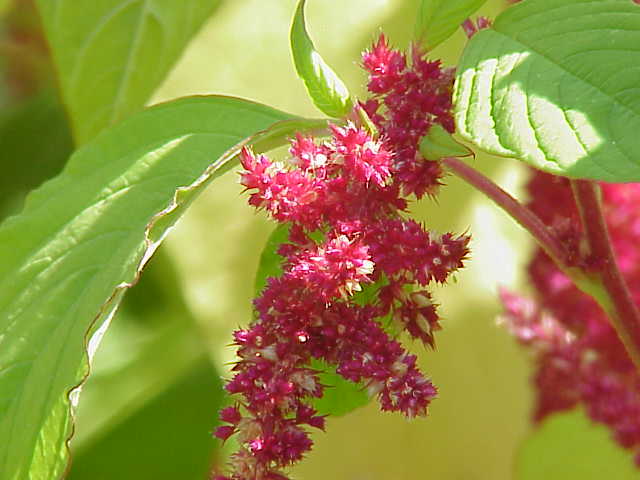
Amaranthus is a cosmopolitan genus of annual or short-lived perennial plants. Some amaranth species are cultivated as leaf vegetables, cereals, and ornamental plants. Most of the species from Amaranthus are summer annual weeds and are commonly referred to as pigweed.
Amaranth seeds contain lysine, an essential amino acid, limited in other grains or plant sources. Most fruits and vegetables do not contain a complete set of amino acids, and thus different sources of protein must be used. Amaranth too is limited in some essential amino acids, such as leucine and threonine. Amaranth seeds are therefore a promising complement to common grains such as wheat germ, oats, and corn because these common grains are abundant sources of essential amino acids found to be limited in amaranth.
Amaranth may be a promising source of protein to those who are gluten sensitive, because unlike the protein found in grains such as wheat and rye, its protein does not contain gluten. According to a 2007 report, amaranth compares well in nutrient content with gluten-free vegetarian options such as buckwheat, corn, millet, wild rice, oats and quinoa.
Several studies have shown that like oats, amaranth seed or oil may be of benefit for those with hypertension and cardiovascular disease; regular consumption reduces blood pressure and cholesterol levels, while improving antioxidant status and some immune parameters. While the active ingredient in oats appears to be water-soluble fiber, amaranth appears to lower cholesterol via its content of plant stanols and squalene.
Amaranth remains an active area of scientific research for both human nutritional needs and foraging applications. Over 100 scientific studies suggest a somewhat conflicting picture on possible anti-nutritional and toxic factors in amaranth, more so in some particular strains of amaranth. Lehmann, in a review article, identifies some of these reported anti-nutritional factors in amaranth to be phenolics, saponins, tannins, phytic acid, oxalates, protease inhibitors, nitrates, polyphenols and phytohemagglutinins. Of these, oxalates and nitrates are of more concern when amaranth grain is used in foraging applications. Some studies suggest thermal processing of amaranth, particularly in moist environment, prior to its preparation in food and human consumption may be a promising way to reduce the adverse effects of amaranth's anti-nutritional and toxic factors.
Quinoa
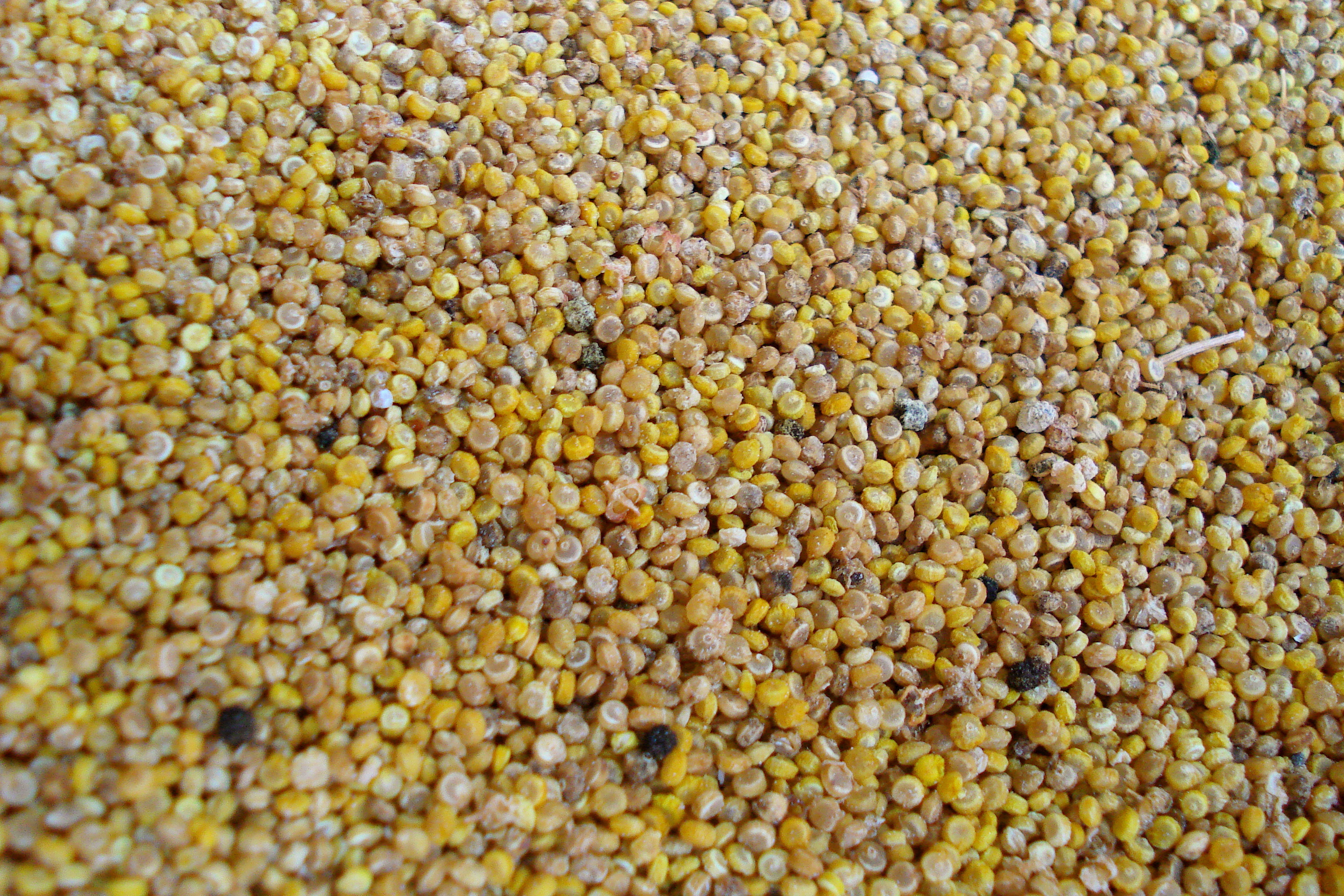 Quinoa is a species of goosefoot (Chenopodium), is a grain crop grown primarily for its edible seeds. It is a pseudocereal rather than a true cereal, as it is not a member of the true grass family. As a chenopod, quinoa is closely related to species such as beetroots, spinach and tumbleweeds. It is high in protein, lacks gluten, and is tolerant of dry soil.
Protein content is very high for a cereal/pseudo-cereal (14% by mass), but not as high as most beans and legumes. The protein content per 100 calories is higher than brown rice, potatoes, barley and millet, but is less than wild rice and oats. Nutritional evaluations indicate that quinoa is a source of complete protein. Other sources claim its protein is not complete but relatively high in essential amino acids. The grain is a good source of dietary fiber and phosphorus and is high in magnesium and iron. It is a source of calcium, and thus is useful for vegans and those who are lactose intolerant. It is gluten-free and considered easy to digest. Because of these characteristics, it is being considered a possible crop in NASA's Controlled Ecological Life Support System for long-duration human occupied space flights.
The grain may be germinated in its raw form to boost its nutritional value, provided that the grains are rinsed thoroughly to remove any saponin. It has a notably short germination period: only 2–4 hours in a glass of clean water is enough to make it sprout and release gases, as opposed to 12 hours with wheat. This process, besides its nutritional enhancements, softens the seeds, making them suitable to be added to salads and other cold foods.
Other pseudo grains derived from seeds are similar in complete protein levels; buckwheat is 18% protein compared to 14% for Quinoa; Amaranth, a related species to Quinoa, ranges from 12 to 17.5%
Leaves
Moringa oleifera (drumstick/horseradish/ben oil/benzoil tree)
The leaves, eaten in Cambodia, the Philippines, South India, Sri Lanka and Africa, are the most nutritious part of the plant, being a significant source of B vitamins, vitamin C, provitamin A as beta-carotene, vitamin K, manganese and protein, among other essential nutrients. When compared with common foods particularly high in certain nutrients by weight, cooked moringa leaves are considerable sources of these same nutrients.
Some of the calcium in moringa leaves is bound as crystals of calcium oxalate though at levels 25-45 times less than that found in spinach, which is a negligible amount.
The leaves are cooked and used like spinach. In addition to being used fresh as a substitute for spinach, its leaves are commonly dried and crushed into a powder used in soups and sauces. As with most foods, heating moringa above 140 degrees Fahrenheit destroys some of the nutritional value.
Other parts of the plant are also edible, including immature seed pods ("drumsticks"), mature seeds, oil pressed from the mature seeds, and the roots.
See also
- List of foods