
List of Muslim Nobel laureates
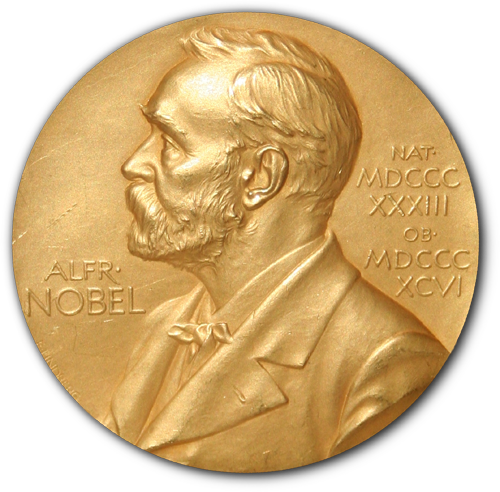
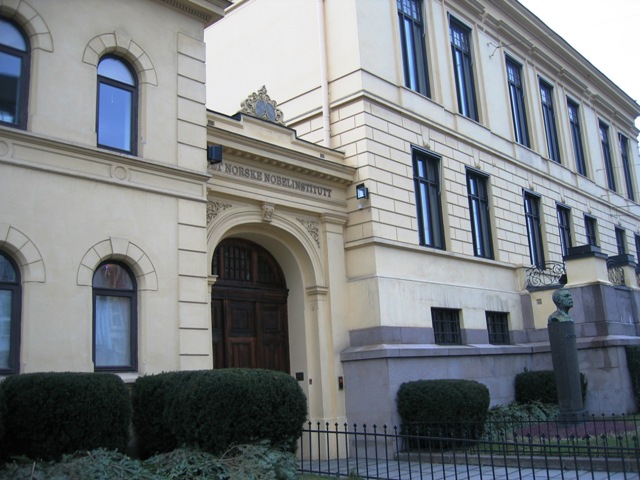 The Nobel Prize (, Swedish definite form, singular: Nobelpriset, Norwegian: Nobelprisen) is a set of annual international awards bestowed in a number of categories by Scandinavian committees in recognition of cultural and scientific advances. The will of the Swedish chemist Alfred Nobel established the prizes in 1895.
The prizes in Physics, Chemistry, Physiology or Medicine, Literature, and Peace were first awarded in 1901. An associated prize in Economics has been awarded since 1969. The Peace Prize is awarded in Oslo, Norway, while the other prizes are awarded in Stockholm, Sweden. The Nobel Prize is widely regarded as the most prestigious award available in the fields of literature, medicine, physics, chemistry, peace and economics.
As of 2014, eleven Nobel Prize winners have been Muslims. More than half of the eleven Muslim Nobel laureates were awarded the prize in the 21st century. Seven of the eleven winners have been awarded the Nobel Peace Prize, including a controversial award to Yasser Arafat. The Recipient of the 1979 Nobel Prize in Physics, Abdus Salam, was a member of the Ahmadiyya community of Pakistan, in 1974, the Pakistan parliament made a constitutional amendment that declared Ahmadis as non-Muslims.
Muslims make up over 23% of the world's population.
Peace
Year |
image |
Laureate |
Country and profession |
Rationale |
comment |
|---|---|---|---|---|---|
1978 |
|
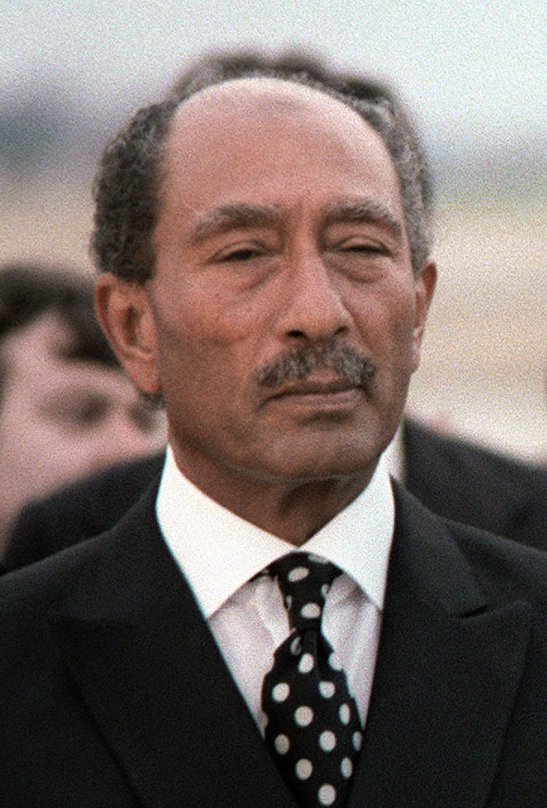
Anwar al-Sadat (25 December 1918 – 6 October 1981) |
Egyptian policymaker |
He, along with Menachem Begin was awarded 1978 Nobel Peace Prize "for their contribution to the two frame agreements on peace in the Middle East, and on peace between Egypt and Israel, which were signed at Camp David on September 17, 1978". |
The first Muslim to receive a Nobel Prize.8"Anwar Al-Sadat, The First Islamist Ruler In Egypt's Modern History", Coptic Nationalism,posted March 30, 2012, retrieved April 7, 2012.
|
1994 |
|
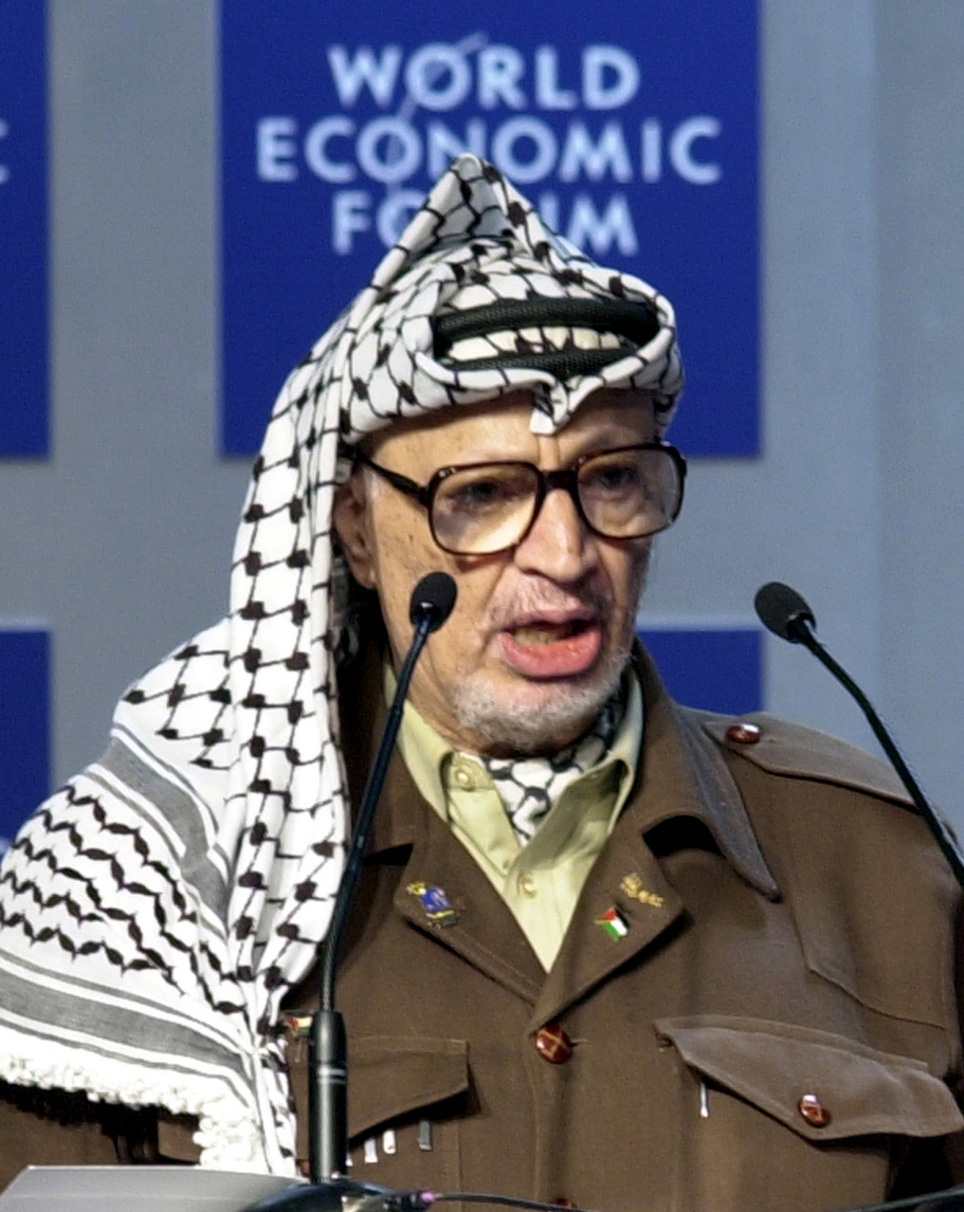
Yasser Arafat (24 August 1929 – 11 November 2004) |
Palestinian politician |
The 1994 Nobel Peace Prize was awarded jointly to Arafat, Shimon Peres and Yitzhak Rabin "for their efforts to create peace in the Middle East". |
The first Muslim Palestinian to receive a Nobel Prize. |
2003 |
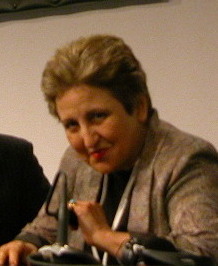
|
Shirin Ebadi (born 21 June 1947) |
Iranian Human Rights Activist |
The 2003 Nobel Peace Prize was awarded to Ebadi "for her efforts for democracy and human rights. She has focused especially on the struggle for the rights of women and children". |
The first and only Iranian to receive a Nobel Prize. She was also the first Muslim woman to receive such an honor.19"Shirin Ebadi – Iran 2003", 'Meet the Laureates', Nobel Women's Initiative,accessed April 4, 2012.
|
2005 |
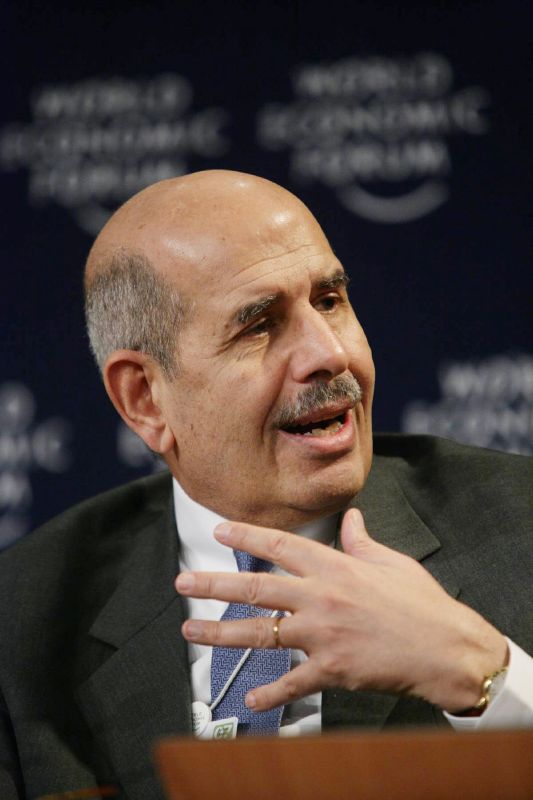
|
Mohamed El Baradei (born June 17, 1942) |
Egyptian policymaker |
The 2005 Nobel Peace Prize was jointly awarded to El Baradei and IAEA "for their efforts to prevent nuclear energy from being used for military purposes and to ensure that nuclear energy for peaceful purposes is used in the safest possible way". |
He was the second Egyptian to be awarded Nobel Peace Prize (2005).27 'Nobel Lecture by Mohamed El-Baradei, Oslo, December 10, 2005.', Nobel Foundation, retrieved April 5, 2012.
|
2006 |
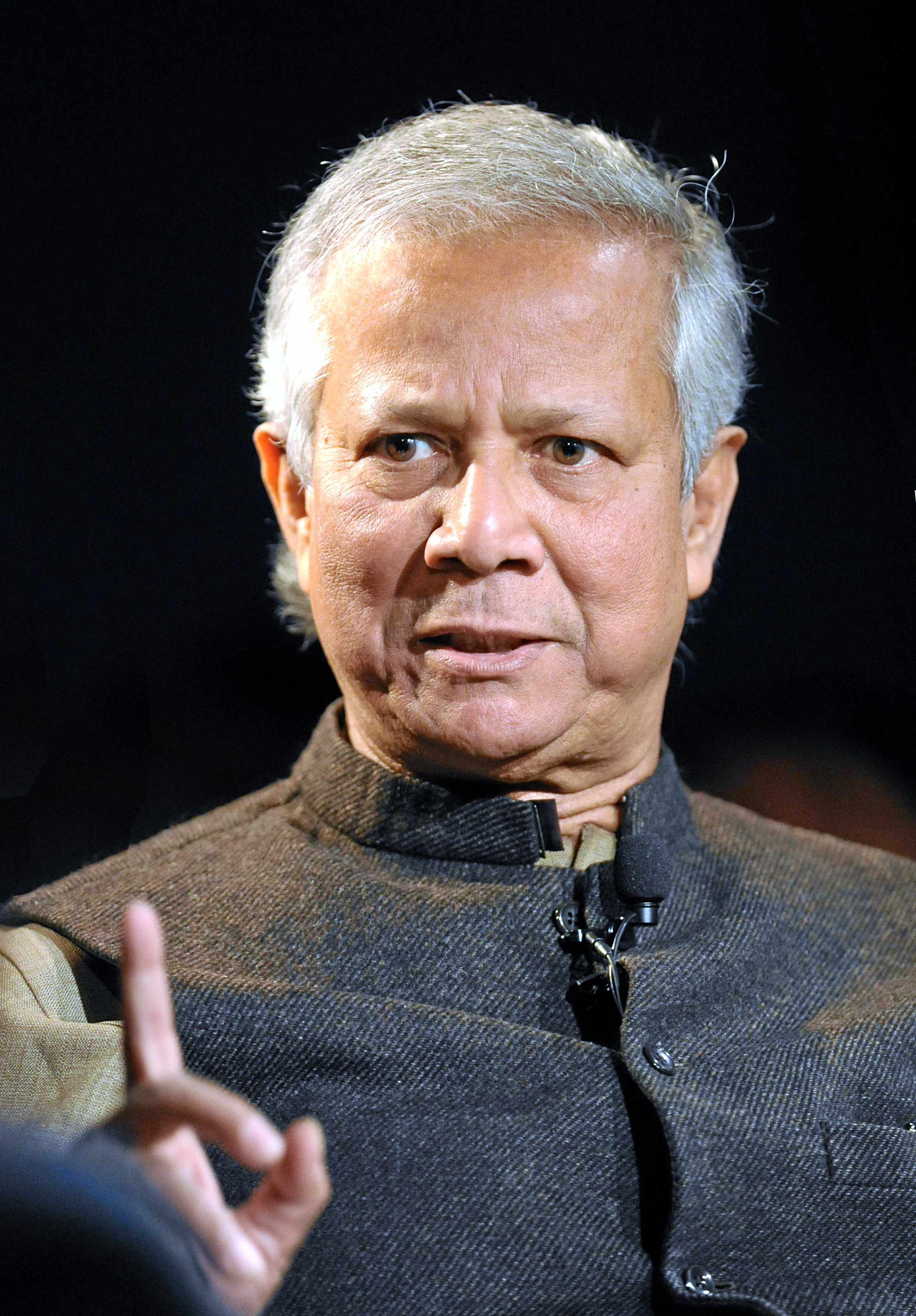
|
Muhammad Yunus (born 28 June 1940) |
Bangladeshi economist and founder of Grameen Bank. |
The 2006 Nobel Peace Prize was jointly awarded to Yunus and Grameen Bank "for their efforts to create economic and social development from below". |
The first Bangladeshi and Bengali Muslim Nobel laureate, and overall, the third person from Bengal to win a Nobel prize.35, Microfinance and Islamic Finance - A Perfect Match by Dr. Linda Eagle, accessed March 24, 2012.
|
2011 |
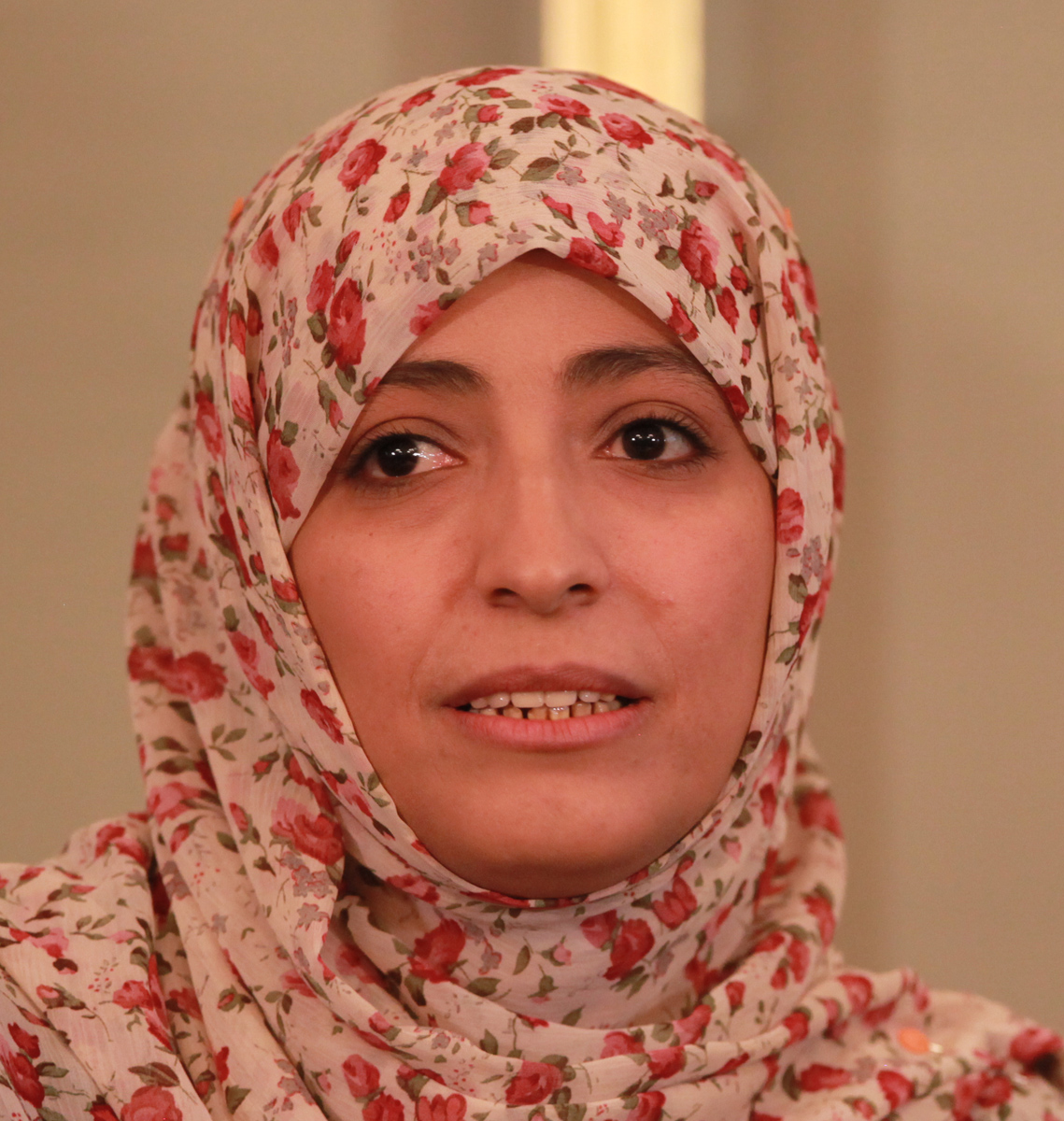
|
Tawakel Karman (born 7 February 1979) |
Human rights activist based in Yemen. A prominent leader in the Arab Spring. |
The 2011 Nobel Peace Prize was jointly given to Ellen Johnson Sirleaf, Leymah Gbowee and Karman "for their non-violent struggle for the safety of women and for women's rights to full participation in peace-building work". |
The first Arab woman and first and only Yemeni to receive a Nobel Prize.40 "Tawakel Karman (The Nobel Peace Prize winner 2011) & Hijab" by 'Sarah Ahmed', dated December 12, 2011, retrieved March 21, 2012.
|
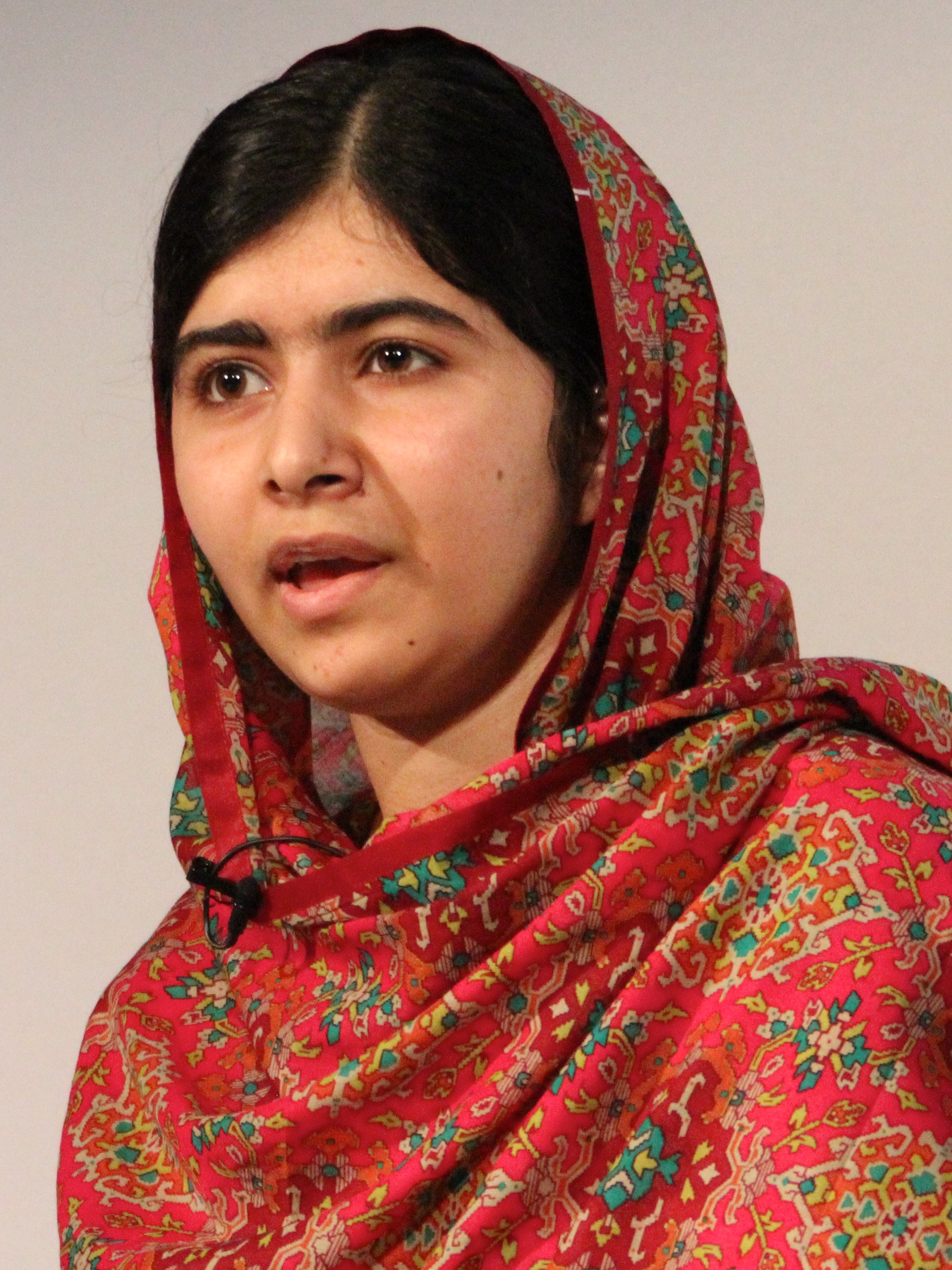
2014 |
|
Malala Yousafzai (born 12 July 1997) |
Pakistani activist, working for rights to education for children in Pakistan. |
The 2014 Nobel Peace Prize was jointly given to Kailash Satyarthi and Yousafzai, "for their struggle against the suppression of children and young people and for the right of all children to education". |
At the age of 17, Yousafzai is the youngest Nobel Prize recipient ever. She is also the second Pakistani and first ethnic Pashtun to be awarded a Nobel Prize. |
Literature
Year |
image |
Laureate |
Country and profession |
Rationale |
comment |
|---|---|---|---|---|---|
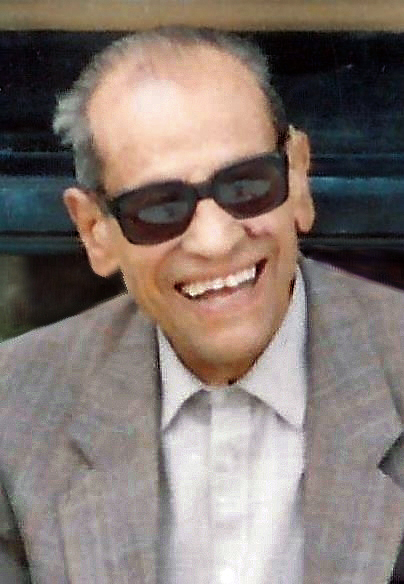
1988 |
|
Naguib Mahfouz |
Egyptian author, noted for his contribution to modern Arabic literature |
The 1988 Nobel Prize in Literature was given to Naguib Mahfouz "who, through works rich in nuance—now clear-sightedly realistic, now evocatively ambiguous—has formed an Arabian narrative art that applies to all mankind". |
The first Muslim author to receive such a prize. |
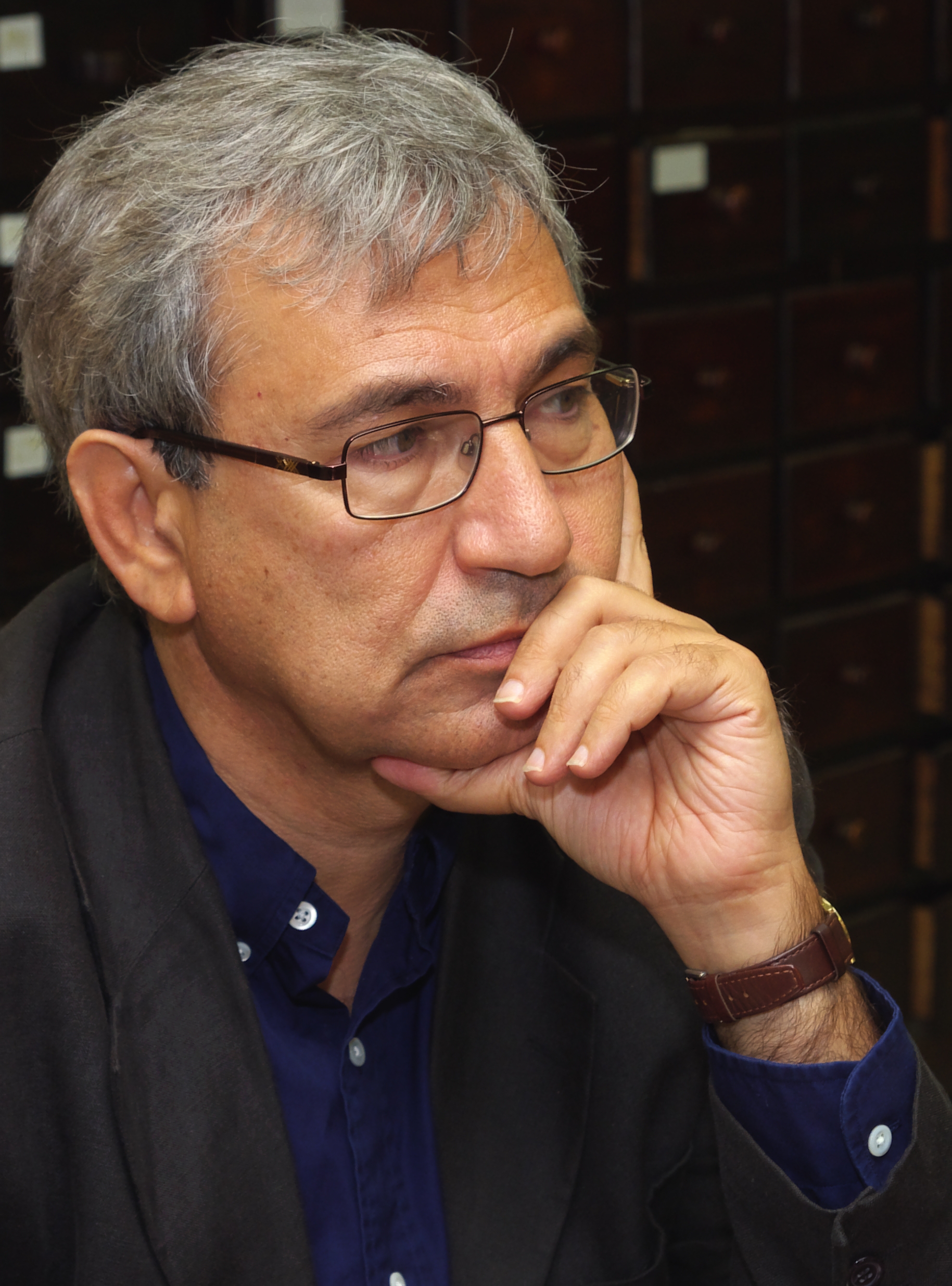
2006 |
|
Orhan Pamuk (born 7 June 1952) |
Turkish author famous for his novels My Name Is Red and Snow |
The 2006 Nobel Prize in Literature was awarded to Orhan Pamuk "who in the quest for the melancholic soul of his native city has discovered new symbols for the clash and interlacing of cultures". |
The first and only Turk to receive the Nobel Prize, He describes himself as a Cultural Muslim who associates the historical and cultural identification with the religion while not believing in a personal connection to God. |
Sciences
Physics
Year |
image |
Laureate |
Country and profession |
Rationale |
comment |
|---|---|---|---|---|---|
1979 |

|
Abdus Salam |
Pakistani physicist |
The 1979 Nobel Prize in Physics was awarded jointly to Sheldon Lee Glashow, Salam, and Steven Weinberg "for their contributions to the theory of the unified weak and electromagnetic interaction between elementary particles, including, inter alia, the prediction of the weak neutral current". |
He is the first Pakistani to receive the award. He is also the first and only Pakistani scientist to be awarded the Nobel Prize.52 "Abdus Salam-Biography", Nobel Foundation, retrieved April 5, 2012.
|
Chemistry
Year |
image |
Laureate |
Country and profession |
Rationale |
comment |
|---|---|---|---|---|---|
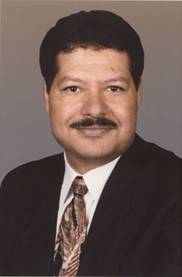
1999 |
|
Ahmed Zewail |
Egyptian-American scientist |
The 1999 Nobel Prize in Chemistry was awarded to Ahmed Zewail "for his studies of the transition states of chemical reactions using femtosecond spectroscopy". |
He is the only Muslim chemist to date to be awarded the Nobel Prize and the second Muslim scientist.58 "The West and Islam need not be in conflict" by 'Ahmed Zewail', The Independent, October 24, 2006, retrieved April 11, 2012.
|
Further reading
Articles
- Mysticism in Contemporary Islamic Political Thought:Orhan Pamuk and Abdolkarim Soroush by John von Heyking,University of Lethbridge59Mysticism in Contemporary Islamic Political Thought by John von Heyking, University of Lethbridge,Volume XIX, Nos. 1 and 2, 2006, Humanitas
accessed April 5, 2012.
- Islam, Melancholy, and Sad, Concrete Minarets: The Futility of Narratives In Orhan Pamuk's" The Black Book by Ian Almond
Books
- The Age of Deception: Nuclear Diplomacy in Treacherous Times by Mohamed El Baradei.
- Islam, Orientalism and Intellectual History: Modernity and the Politics of Exclusion since Ibn Khaldun (Library of Middle East History) by Mohammad R. Salama ISBN-10: 1848850050 and ISBN-10: 1848850050.
- Orhan Pamuk and the Politics of Turkish Identity: From Islam to Istanbul by Erdag Goknar, ISBN-10: 0415505380, ISBN-13: 978-0415505383, Routledge Publication.
Biography
- Cosmic Anger: Abdus Salam - The First Muslim Nobel Scientist. by Gordon Fraser 65,ISBN-10: 0199697124 & ISBN-13: 978-0199697120.
- Yasser Arafat (Biography (Lerner Hardcover)) by George Headlam-ISBN-10: 0822550040 & ISBN-13: 978-0822550044.
- Anwar Sadat: Visionary Who Dared by Joseph Finklestone.
Autobiography
- Iran Awakening: One Woman's Journey to Reclaim Her Life and Country (2007) by Shirin Ebadi (ISBN 9780676978025).
- Ahmed Zewail Autobiography.
- Banker to the Poor: The Autobiography of Muhammad Yunus, Founder of Grameen Bank. ISBN-10: 0195795377 & ISBN-13: 978-0195795370.
, ISBN-13:978-0060137427.
See also
- List of Nobel Peace Laureates
- List of black Nobel Laureates
- List of Jewish Nobel laureates
- List of Christian Nobel laureates
- List of Muslim scientists
- Lists of Muslims
- Lists of people by belief
- List of Nobel laureates by country
- List of Nobel laureates
- List of female Nobel laureates
- Lists of People
References
The year of receiving Nobel Prize is given after each Nobel Laureate in this article. For verification of candidacy of above listed Nobel Laureates, please go to nobelprize.org, and search the corresponding year of reception of Nobel Prize in the respective field.
External links
- 74 “Muslim Nobel Prize Winners”, 'BZNotes', accessed March 21, 2012.
- 75 “Muslim Nobel Prize Winners”, Scribd, accessed March 21, 2012.
- 76 “Nobel Laureates and the Muslim World” by Saleem H. Ali, Newsvine, February 14, 2010, retrieved March 21, 2012.
- 77 “Nobel laureates of the Islamic world” - S Iftikhar Murshed, The News International, April 3, 2011, retrieved March 21, 2012.
- 78 “Professor Abdus Salam”, accessed April 4, 2012.
- 79 “No Nobels for the Muslim World” by Aziz Akhmad, The Express Tribune, published October 6, 2011, retrieved March 19, 2012.
- 80 “Muslim Nobel laureates: Muslim economist, writer win Nobel prizes”,accessed March 24, 2012.
- 81 “Abdus Salam, 'First Muslim Nobel Laureate'”, ‘The Culture Trip’, accessed March 21, 2012.
- “Abdus Salam was a theoretical physicist who became the first Pakistani and the first Muslim to be awarded the Nobel Prize in the sciences.”
- 82 “Dr. Abdus Salam: Nobel Laureate in Physics”,accessed April 4, 2012.
- 83 “Tawakul Karman speaks: Islam Supports Democracy”, 'Onislam', December 10, 2011, accessed March 21, 2012.
- 84 “A Muslim woman's place is in society: Nobel Laureate”, France 24, dated November 2, 2009, retrieved March 21, 2012.
- 85 “Nobel Prize reflects women's struggle in the Muslim world”, retrieved March 19, 2012.
- 86 “Nobel Peace Prize Winner Tawakkul Karman Profile: The Mother of Yemen's revolution”, The Huffington Post, dated October 7, 2011, retrieved March 19, 2012.
- 87 “Dear ‘World Community’: You Are Not Our Equals” by William A. Levinson, American Thinker, May 31, 2011, retrieved March 21, 2012.
- 88“Nobel Prize winner highlights women’s role in Arab Spring”,‘The Michigan Daily’,Published November 15, 2011, retrieved April 4, 2012.
- 89“Nobel Peace Prize Winner Tawakul Karman: Islam No Threat to Democracy”,reprinted ‘Positive Islam’, dated December 12, 2011, 1st printed Reuters90 December 9, 2011, accessed April 4, 2012.
- 91“The Nobel Prize - Muslim Winners”,by Sadaqat,accessed April 4, 2012.
- 92“Women Nobel Peace Laureates Congratulate Three New Women Laureates”, Nobel Women's Initiative,dated October 7, 2011, retrieved April 4, 2012.
- Karman joins Shirin Ebadi, who won the Nobel Peace prize in 2003 for her work to bring equal rights to women in Iran, as the second Muslim woman to win the Nobel Peace prize.
- “As a Muslim woman, I am well aware of the difficult and severe conditions of your work and struggle,” said Ebadi in her letter today to Karman. Karman receives frequent death threats, and was thrown in jail last January. “I admire your tremendous work and courage. This victory will certainly inspire and reassure the million of Muslim women who suffer from discrimination and who fight for equality of rights between men and women—and also sends a message to countries going through the Arab Spring that true democracy will only be achieved if women also receive equal rights.”
- 93“Pamuk on Multiculturalism, Secularism, Islam, and the EU ”,‘Turkish Politics in Action’,dated January 18, 2009, retrieved April 5, 2012.
- 94“Two Souls -- In Europe And Turkey”,an interview with Orhan Pamuk by Nathan Gardels,‘Nobel Laureates Plus’,NPQ,dated November 28, 2006, retrieved April 5, 2012.
- 95“Nobel author bridges Islam and the West” by Mark Feeney, The Boston Globe,October 13, 2006, retrieved April 5, 2012.
- 96“Listen to the [...]” by Orhan Pamuk, The Guardian,dated September 29, 2001, retrieved April 5, 2012.
- “It is not Islam or poverty that succours [...], but the failure to be heard”
- 97“Muhammad Yunus addresses Islamic finance forum ” by Talal Malik,‘Arabian Business’,dated April 13, 2008, retrieved April 5, 2012.
- 98‘Anwar Sadat’, about.com,retrieved April 5, 2012.
- 99“Thirty years later, Sadat's widow still hopes for peace”, CNN,dated March 26, 2009, retrieved April 5, 2012.
- 100“The Tragedy of Muslim Civilization” by Aftab Zaidi,Nirmukta,November 13, 2011, retrieved April 5, 2012.
- 101“Naguib Mahfouz and modern ‘Islamic identity’” by ‘Mehnaz Mona Afridi’, UNISA,November 2008,retrieved April 7, 2012.
- “How closely have the changes and developments detailed in Mahfouz’s descriptions of ordinary Egyptian lives paralleled what the world has witnessed as ageneral growing “Islamization” of the Muslim world? In my research,I have found that other Muslim writers,such as Leila Ahmed (Egypt), Mohsin Hamid (Pakistan/India), and Orhan Pamuk (Turkey) have also observed and commented on the Islamization of the culture.”