
Kanglu
Kanglu (and variants like "Kangladeshi" or "Kangla") (; ) is a derogatory ethnic slur primarily used in India, to refer to Bangladeshis (often Bengali Muslims or perceived migrants), implying poverty, destitution, inferiority or illegal immigration.
Etymology
The term is a portmanteau or BLEND of the Hindi/Urdu/Bengali word (kangāl, ), meaning "poor", "beggar", "pauper", "penniless" or "destitute" combined with "Bangla", "Bangladesh" or similar (e.g., Kangal + Bangladeshi > "Kangladeshi" or shortened/adapted to "Kanglu"/"Kangla"). The insult is connected to anti-Bangladeshi and anti-Bengali communal rhetoric circulating online.
Usage
In Hate Speech and Offensive Language Detection in Bengali, published by the Association for Computational Linguistics, the word appears in a Bengali hate-speech dataset and is explicitly glossed as "Kanglu (derogatory term for Bangladeshi)".
This construction follows common patterns in South Asian slang where economic stereotypes merge with ethnic or regional identifiers to demean groups. It evokes images of economic deprivation, often tied to perceptions of Bangladeshi migrants as poor, low-skilled laborers (e.g., rickshaw pullers) or "infiltrators". On social media, the term is commonly used in memes and reels portraying Bangladeshis as still living in the age of "bullock carts" and "mud huts".
It became prominent in Indian social media, political rhetoric and online discourse, especially around issues of illegal immigration from Bangladesh, border tensions and demographic concerns in states like West Bengal, Assam and Tripura. Variants like "Kangladesh" mock the country itself as a place of poverty.
Early documented usage of the slur appears in a post-1971 context. A Pakistani military officer reportedly used the term "Kangladesh" during the 1971 Bangladesh conflict, referring to Bangladesh as "the land of paupers". This is presented as an early instance of the word being used as a derogatory distortion of "Bangladesh" in military discourse.
Social and political context
The insult is associated with xenophobic or communal discourse aimed at Bangladeshis, Bangladeshi migrants, or Bengali Muslims. Its usage intensified in online political and communal spaces during periods of anti-Bangladeshi rhetoric in eastern and northeastern India.
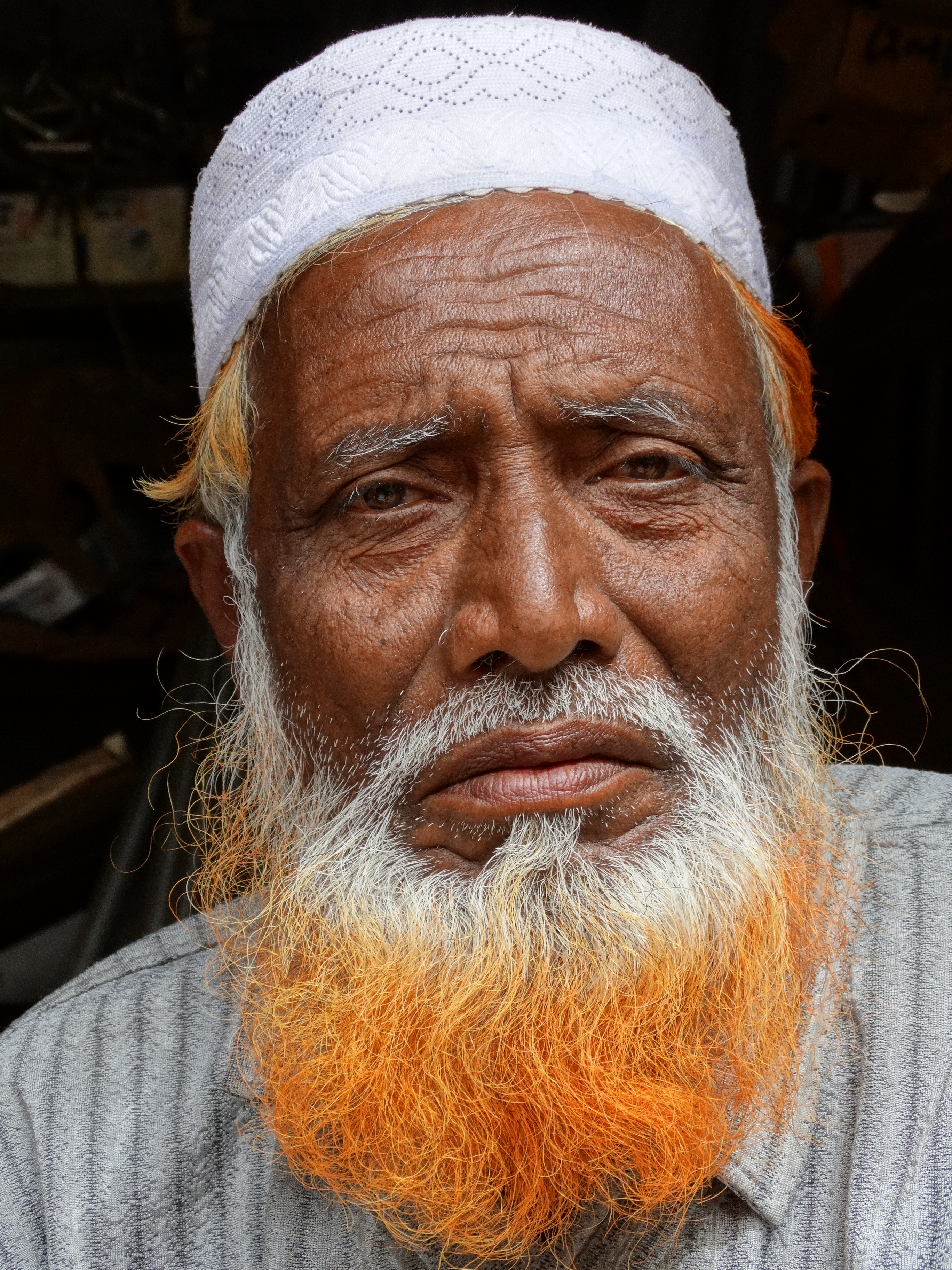
Some commentators have connected the term's popularity to stereotypes portraying Bangladeshis as impoverished or socially inferior. Media coverage concerning anti-Bangladeshi mockery and stereotyping has also discussed related imagery, including ridicule associated with orange-dyed beards among Bangladeshi Muslim men.
See also
- Anti-Bengali sentiment
- Bangladeshis in India
- List of ethnic slurs
- Pajeet