
Francisco de Miranda Insular Territory
The Francisco de Miranda Insular Territory (in spanish: Territorio Insular Francisco de Miranda) is an administrative division of the Federal Dependencies of Venezuela created by special law in 2011.
History
The three archipelagos (Las Aves, Los Roques, and La Orchila) were part of the Colón Federal Territory between 1871 and 1908, and have been part of the Federal Dependencies since its creation in the 1930s. In 1990, a single area authority was created for Los Roques. Previously, several attempts had been made to reorganize the Federal Dependencies, most of which are Venezuelan islands located in the Caribbean Sea. It was not until the enactment of a new organic law concerning federal dependencies and insular territories in 2011 that its creation became possible.
The new law established the capacity of the national executive power to create insular territories by grouping islands belonging to the Federal Dependencies. On October 15, 2011, the Government of Venezuela issued a decree with the rank, value, and force of an organic law, which established a new legislation for the federal dependencies and introduced new legal entities such as heads of government and insular territories. On October 27, the law was endorsed by the Supreme Tribunal of Justice and subsequently published in Official Gazette 39.787.
Since its creation, the Francisco de Miranda Insular Territory has experienced sustainable tourism development across its archipelagos, implementing policies for environmental conservation and biodiversity protection. The Head of Government of the territory, appointed by the President of the Republic, works on promoting sustainable tourism, protecting natural resources, and improving the quality of life for its inhabitants.
Creation
On November 10, 2011, through Official Gazette No. 39.787, the Decree with Rank, Value, and Force of Organic Law was enacted, officially creating the Francisco de Miranda Insular Territory. This decree established a political-territorial entity with administrative autonomy, comprising the Las Aves, Los Roques, and La Orchila archipelagos. The objective of its creation was to promote sustainable tourism development in the region, conserve the environment, and protect the biodiversity of its islands. The National Executive, through the Head of Government, is directly responsible for its administration and governance. 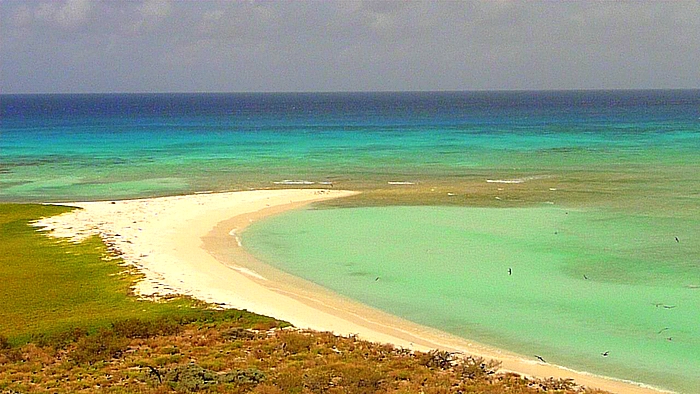
Geography
The Francisco de Miranda Insular Territory consists of three distinct island groups:
- Las Aves Archipelago: Located east of the Dutch island of Bonaire and north of the coast of the Aragua state. It is basically formed by a reef complex (atolls) known as Aves de Sotavento (Leeward Aves) and Aves de Barlovento (Windward Aves)—not to be confused with Aves Island located much further north, near Dominica. It consists of 8 major islands and 12 minor islands or cays, reaching a maximum altitude of 16 meters above sea level.
- Los Roques Archipelago: Situated between Las Aves and La Orchila, north of the Vargas (La Guaira) state. This archipelago concentrates the majority of the territory's population and has been a national park since 1972. Its capital, Gran Roque, is located here. It features a reef complex with at least 42 islets or cays, 250 sandbanks, and reaches a maximum altitude of 120 meters above sea level.
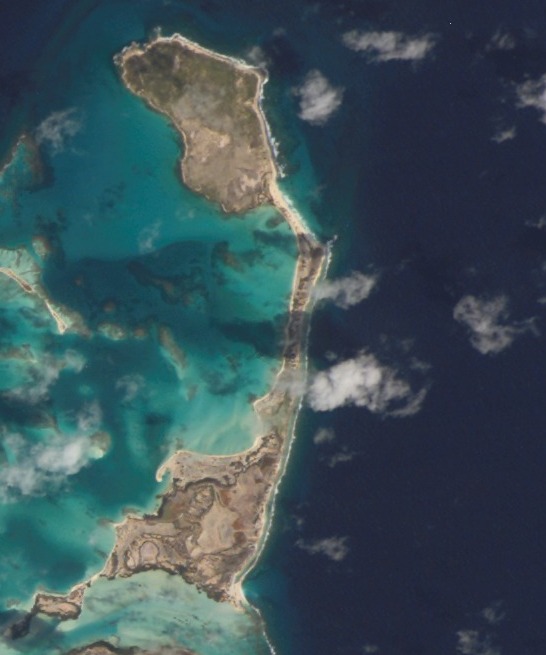
- La Orchila Archipelago: Sometimes known simply as La Orchila Island, it is a series of islands with reef formations that hosts a base of the Venezuelan Navy and Army. It is composed of a main island and 6 smaller cays or islets located east of Los Roques and north of the Vargas state.
The territory encompasses a total land area of 83.96 km².
Included Islands
Nr. |
Island or Group |
Area (km²) |
Population (2011) |
Component Islands |
Coordinates |
|---|---|---|---|---|---|
1 |
Las Aves Archipelago |
3.35 |
- |
Barlovento Aves Island, Tesoro Island, Bubi Cayo, Las Bobas Cayo, Sotavento Aves Island, Larga Island, Tirra Cayo, Saquisaqui Island, La Colonia Cayos, Maceta Island, Sterna Cayo. |
|
2 |
Los Roques Archipelago |
40.61 |
2,050 |
Gran Roque, Francisquí, Isla Larga, Nordisquí, Madrisquí, Crasquí, Dos Mosquises, Cayo Sal, Cayo Nube Verde, Cayo Grande, Noronquí, Espenquí, Carenero, Selesquí, Bequevé, Cayo de Agua, Cayo Grande, among others. |
|
3 |
La Orchila Island |
40.00 |
- |
La Orchila Island, Cayo Agua, Cayo Sal, Cayo Los Holandeses, Cayo Noreste. |
|
Francisco de Miranda Insular Territory |
83.96 |
2,050 |
Climate
The climate of the Francisco de Miranda Insular Territory is warm and isothermal, characterized by scarce rainfall. Throughout its archipelagos, the average annual temperature is 27.1 °C, with an annual maximum and minimum temperature variation of only 3 °C. Annual precipitation is lower than 300 mm.
Economy
The economy of the territory relies primarily on sustainable tourism. The Los Roques and La Orchila archipelagos attract thousands of tourists each year due to their white sand beaches, crystalline waters, and marine biodiversity. This tourist activity generates employment and drives regional development. The Head of Government has implemented policies to foster sustainable practices, protect natural assets, and enhance local living conditions.
In Los Roques, environmental safeguards include limiting daily visitor numbers and regulating fishing activities. Furthermore, infrastructure projects have been carried out, such as upgrades to the Los Roques Airport and the construction of new docks. In La Orchila, economic activity is restricted to the naval base, centered on military personnel and naval exercises.
Demographics
The population of the territory is heavily concentrated in the Los Roques Archipelago, with an estimated 2,050 inhabitants (2011 Census). La Orchila Archipelago maintains a temporary military population of approximately 120 personnel, while Las Aves Archipelago has no permanent civilian population. 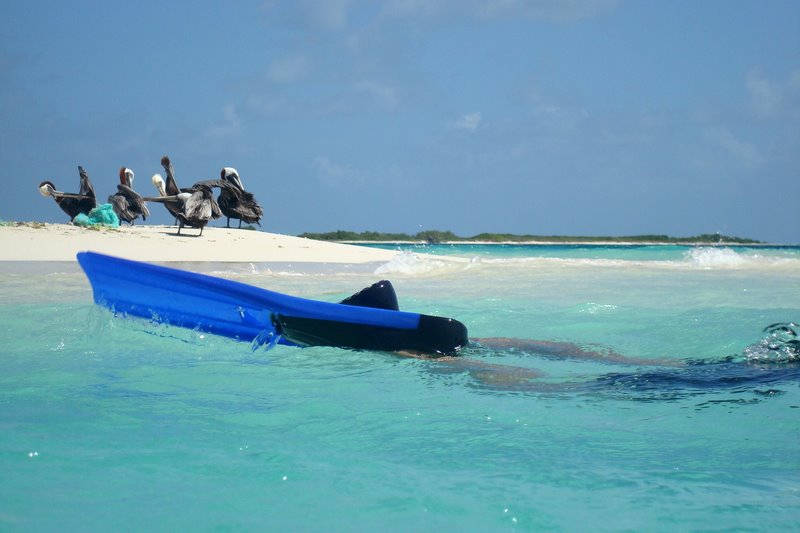
Transport
Transport to and within the territory is conducted via air and sea. Los Roques Airport operates regular commercial flights connecting to Caracas and other Venezuelan cities. Various boats and vessels handle maritime transfers between the archipelagos and the mainland coast. In La Orchila, transit is strictly restricted to military infrastructure and naval maneuvers under the armed forces' logistics.
Government
The territory is a decentralized political-territorial entity of Venezuela within the Federal Dependencies. It possesses legal personality along with administrative, budgetary, and financial autonomy. The National Executive, via the appointed Head of Government, holds direct administrative responsibility. The Legislative Council is the regulatory organ tasked with issuing territorial decrees, supported by the Public Policy Planning and Coordination Council for civic participation, and a dedicated Comptroller organ for fiscal oversight.
Heads of Government
- 2011 - 2014: Armando Laguna Laguna
- 2014 - 2020: Jádal Jany González Naime
- 2020 - 2020: Stella Lugo
- 2020 - Present: Alí Alejandro Padrón Paredes
See also
- Federal Dependencies of Venezuela
- List of islands of Venezuela