
Dan V. Palcu Rolier
Dan Valentin Palcu Rolier (Dan V. Palcu Rolier) (born 1979, Transylvania, Romania) is a Romanian-Brazilian earth scientist, explorer, and science communicator specialising in the evolution of marginal seas, ancient mega-lakes, evaporite systems, and their connections to climate change, biodiversity, and human origins. He is a Research Scientist at the University of São Paulo (IAG/USP) and an Affiliated Research Scientist at GeoEcoMar, the National Institute of Marine Geology and Geoecology of Romania, and at the National Museums of Kenya (Koobi Fora Field School).
He is best known for leading the research that identified Megalake Paratethys as the largest lake in Earth's geological history — a discovery recognised with a Guinness World Record in 2023. He also contributed the geological and chronological framework for the discovery of the oldest known sustained Oldowan toolmaking tradition at Namorotukunan, Kenya (~2.75 million years ago), in his role as Senior Geoscientist at the Koobi Fora Field School. His evaporite research encompasses the Messinian salt giant of the Mediterranean, the Cretaceous salt giant of the South Atlantic, and the Paratethys evaporite record; he leads the Salt Archetypes working group of the European network SaltAges (COST Action CA23124).
He has contributed to geological heritage and geopark development in Romania, including the Hațeg Country Dinosaurs Geopark and the Buzău Lands UNESCO Global Geopark. A descendant of the minor noble family Alb (Fejér) de Borosjenő, ennobled in 1649, he carries a heritage rooted in the multicultural intellectual and spiritual traditions of the Transylvanian communities of the Apuseni Mountains — a world shaped by centuries of Romanian, Hungarian, and German coexistence and by repeated confrontations with imperial power.
Early life and education
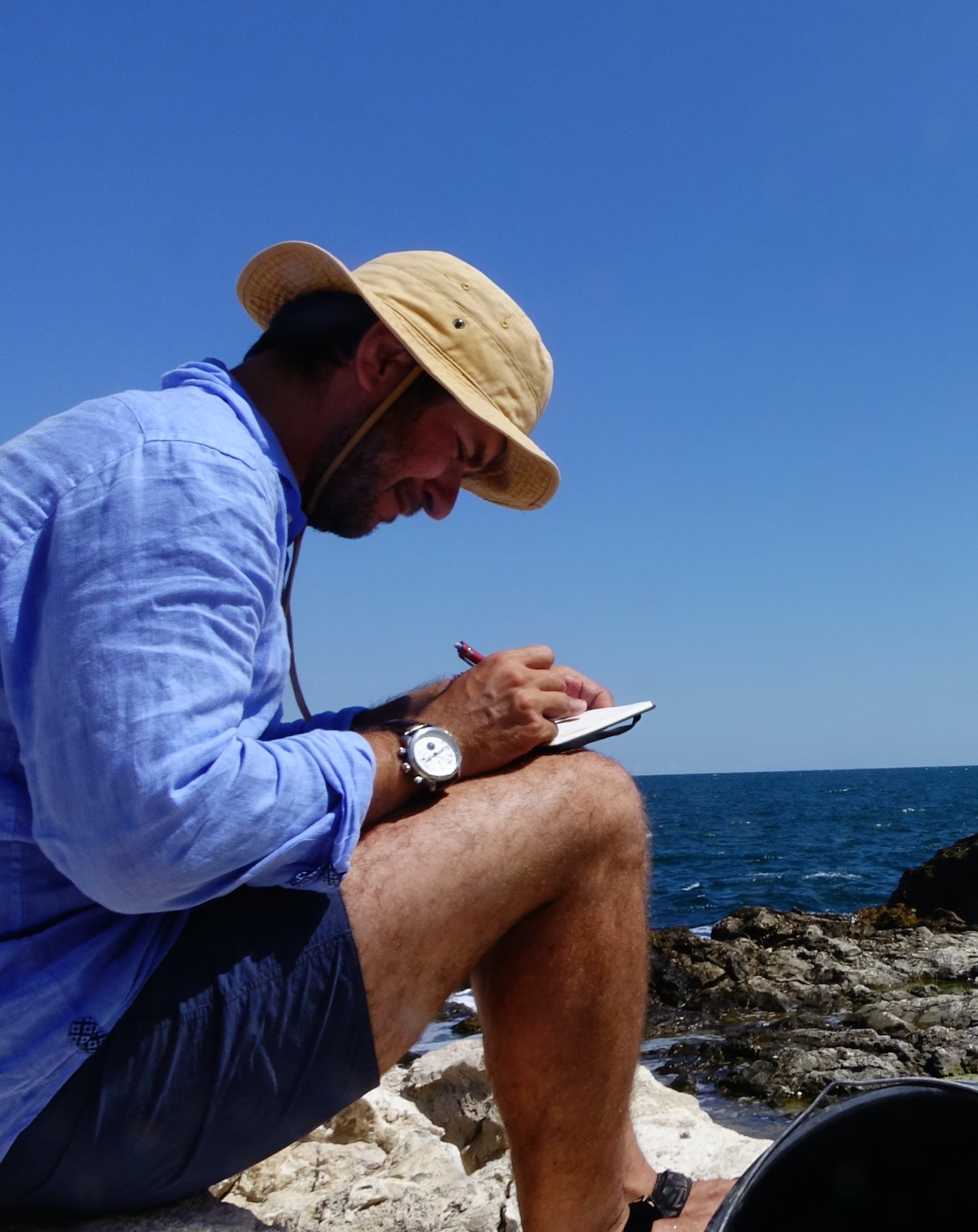
Palcu Rolier grew up in the mountains of western Transylvania, Romania — a landscape permeated by marine fossils from the ancient Paratethys Sea found in the hillsides of his backyard. "To reach the nearest sea — the Black Sea — I had to cross two mountains and travel almost 1,000 km," he recalled. "Yet the fossils were everywhere." This childhood immersion in geological evidence shaped a scientific vocation oriented toward recovering Earth's hidden water histories.
He completed a Master of Science in Geophysics at the Faculty of Geology and Geophysics, University of Bucharest, in 2003. He subsequently relocated to the Netherlands, obtaining a PhD in Earth Sciences at Utrecht University in 2018 under the supervision of Professor Wout Krijgsman. His doctoral dissertation, The Dire Straits of Paratethys, introduced hydrological connectivity as a primary control on basin evolution — a concept that became the foundation of all his subsequent work.
Megalake Paratethys and the Guinness World Record
Between 2018 and 2022, working as a postdoctoral researcher at the Institute of Oceanography, University of São Paulo, Palcu Rolier led an international team that established the full dimensions and geological history of Megalake Paratethys. The Paratethys had long been considered an ancient epicontinental sea; the 2021 study, published in Scientific Reports, demonstrated for the first time that it had been completely cut off from the global ocean for millions of years — a prolonged isolation that explained the evolution of its exceptional endemic fauna, found nowhere else on Earth. At its peak, the megalake covered approximately 2.8 million km² stretching from the Eastern Alps to Central Asia, and held over 1.77 million km³ of water — more than ten times the combined volume of all present-day lakes.
In 2023, Guinness World Records officially recognised Megalake Paratethys as the largest lake in Earth's history, publishing a dedicated entry in both its online platform and printed editions in over 40 languages. The endemic fauna sustained by this isolation included Cetotherium riabinini, the smallest whale in the fossil record, as well as unique assemblages of molluscs, fish, and marine mammals that evolved over millions of years in the megalake's brackish waters. Many of their descendants survive today in the Caspian Sea.
The 2021 study estimated that during the most severe hydrological crisis the megalake lost more than two-thirds of its surface area and a third of its volume, with water levels plummeting by up to 250 metres. Subsequent research has pointed to an even larger magnitude of base-level change: later studies suggest that water-level drops exceeded 450 metres in the Caspian Basin and were likely greater still in the Black Sea basin, indicating that the true scale of Paratethys desiccation events may have been considerably more dramatic than the original estimates. The modern Black Sea, Caspian Sea, and Aral Sea are the principal remnants of this vanished megalake.
Human origins: East African fieldwork
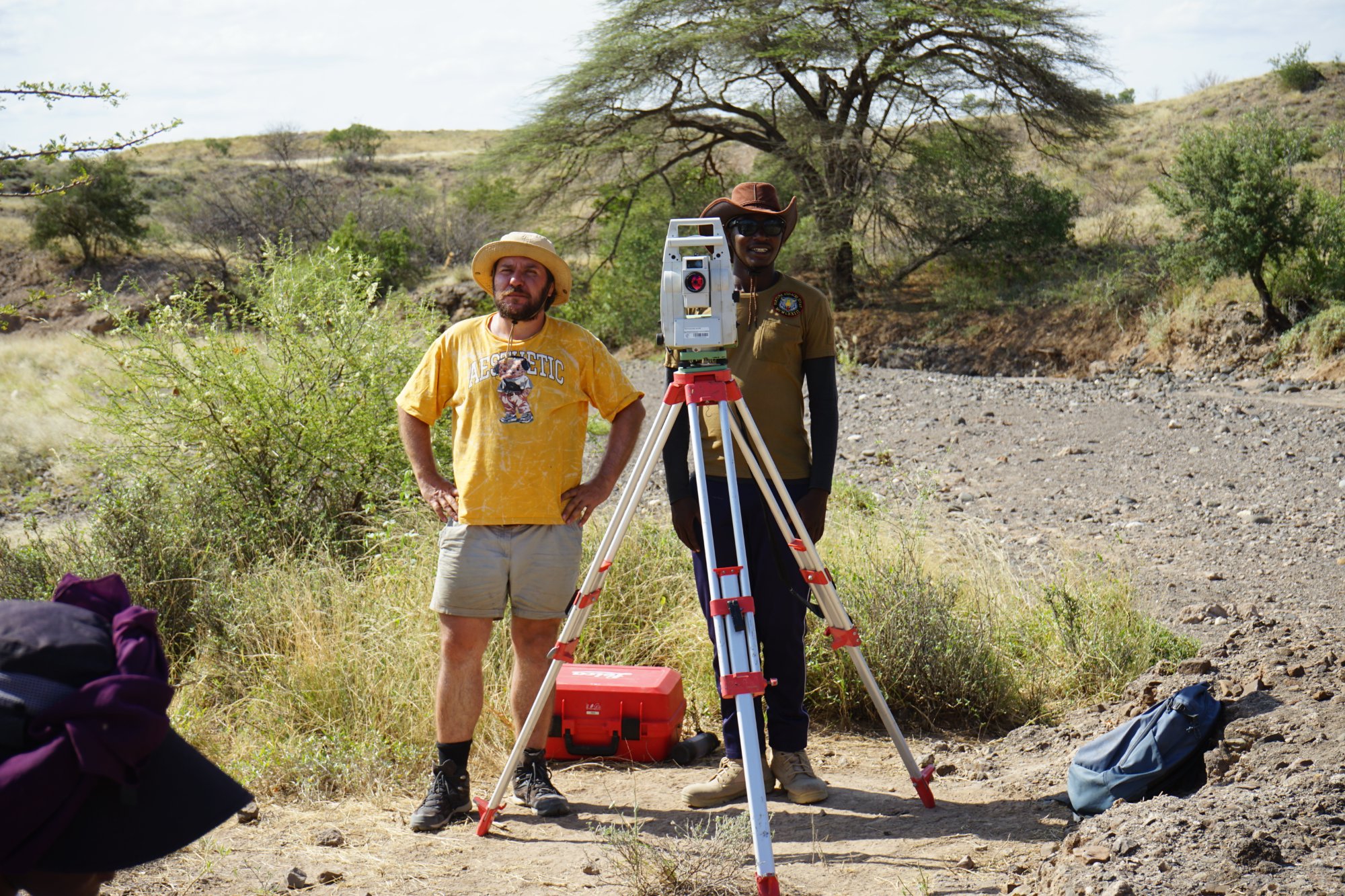
Palcu Rolier serves as Senior Geoscientist at the Koobi Fora Field School of the National Museums of Kenya, where he leads the geological and stratigraphic components of the school's interdisciplinary research and teaching programme. His responsibilities encompass geological mapping, stratigraphy, geochronology, and paleogeographic reconstruction of the Turkana Basin, providing the temporal and environmental framework that underpins archaeological and paleoanthropological interpretations. He integrates sedimentological, geochemical, and magnetostratigraphic data to reconstruct paleoenvironmental change and basin evolution, linking field-based geological investigation with broader questions of climate variability, landscape dynamics, and human evolution in the East African Rift.
In 2018, shortly after his PhD defence, Palcu Rolier joined a last-minute replacement assignment at the Koobi Fora Field School and was deployed to the site of Namorotukunan. Recognising that the team was excavating at too shallow a stratigraphic level, he convinced colleagues to dig deeper — leading to the identification of Oldowan stone tools dating to approximately 2.75 million years ago. The site preserved evidence of tool production persisting for over 300,000 years through multiple episodes of wildfire, lake desiccation, and river migration — demonstrating that early hominins transmitted tool-making traditions across thousands of generations under dramatic environmental change. Published in Nature Communications (2025), the findings showed that sustained tool use and butchery behaviour significantly predated previous estimates tied to the emergence of the genus Homo.
"I treated each rock layer as a page of a book," Palcu Rolier explained. "Together, these pages tell the story of a lake that dried out, giving way to a river that shifted and fell, before the lake returned."
Research approach and methods
Palcu Rolier's research integrates magnetostratigraphy — dating sedimentary rock layers using preserved records of Earth's magnetic field reversals — with geochemical and sedimentological proxies for salinity, redox conditions, stratification, and biological productivity. His FAPESP-supported work at the University of São Paulo developed integrated paleomagnetic–geochemical methodologies for reconstructing anoxia and water column structure in ancient basins, described as cost-effective and transferable to modern environmental monitoring contexts.
A defining methodological commitment is the explicit treatment of geological uncertainty as scientific information rather than a limitation. Rather than reconstructing unique past states, he uses converging multi-proxy evidence to define the range of physically admissible basin behaviours — constraints that feed directly into forward numerical models exploring future climate-driven tipping pathways.
His fieldwork has taken him to Romania, Bulgaria, Hungary, Georgia, the North Caucasus, Iran, Brazil, Ethiopia, and Kenya. He has described reading rock outcrops as a form of narrative discovery: "Every cliff, every core, every layer is a sentence in a story that nobody else has read yet."
Evaporites, salt giants, and SaltAges
This section is work in progress.
Dan V. Palcu Rolier's evaporite research spans three major salt giant systems — the Messinian salt giant of the Mediterranean Sea, the Cretaceous salt giant of the South Atlantic, and the Paratethys evaporite record — and is complemented by his leadership of the Salt Archetypes working group (WG4) within the European COST Action network SaltAges (CA23124), a cross-disciplinary network of over 200 researchers from more than 35 countries investigating the geological, biological, and societal consequences of salt giant formation across Earth history.
Science communication
Palcu Rolier is an active science communicator whose public engagement spans broadcast media, museum education, and field school teaching across three continents. His two most widely covered research papers each carry an Altmetric score above 490, placing them in the top 5% of all research outputs globally, with combined coverage across 49 news outlets in over 20 languages.
Coverage of the Paratethys megalake research has appeared in National Geographic, BBC Wildlife, El País, Pesquisa Fapesp, Science/AAAS, Ars Technica, Daily Mail, Smithsonian, Globo TV (Brazil), Gizmodo, IFLScience, Phys.org, Hot News, and Descopera (Romania), among many others, and has been translated into more than 20 languages including French, Spanish, Italian, Polish, Finnish, Dutch, Russian, Japanese, Portuguese, and Greek.
The Namorotukunan Oldowan discovery was covered by BBC News, Smithsonian Magazine (included in its Top Human Evolution Discoveries of 2025), Popular Mechanics, The Conversation, Ars Technica, EurekAlert!, Futura-Sciences, Science Daily, Gizmodo, Yahoo! News, ABC.es, elDiario.es, Digi24, ProTV (Romania), and Radio București FM, and featured a dedicated piece in the Romanian-language press including Click.ro, Playtech.ro, and Edupedu.ro.
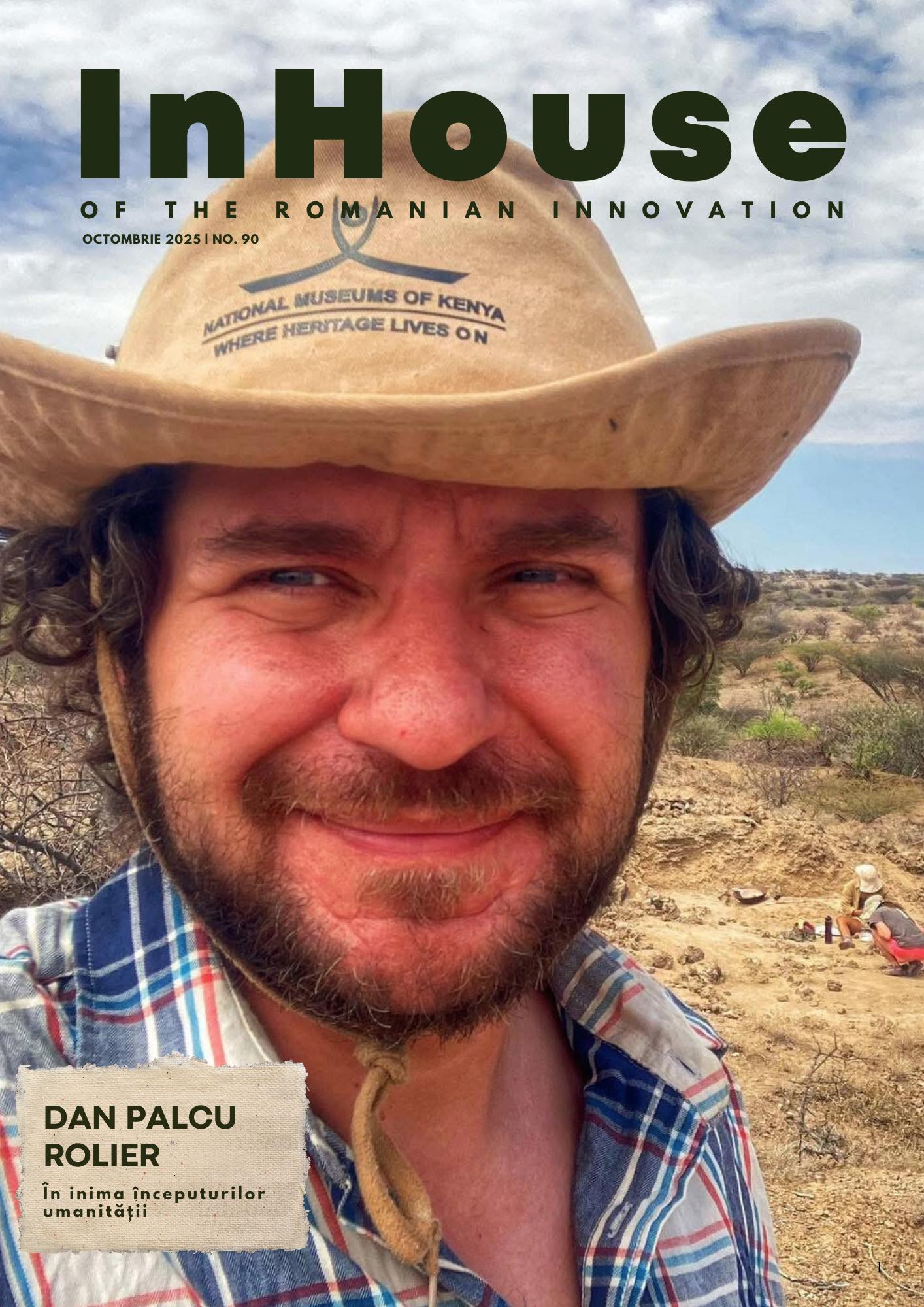
He was featured on the cover of InHouse of the Romanian Innovation (No. 90, October 2025) with the headline "În inima începuturilor umanității" (At the heart of humanity's beginnings), following the Namorotukunan discovery.
He is fluent in six languages — Romanian, English, French, German, Italian, and Portuguese — with conversational knowledge of Spanish and Dutch. This multilingualism underpins his commitment to communicating science directly in the languages of the communities he works with: from Romanian geopark audiences to Portuguese-speaking publics in Brazil. He regards communication in local languages not as a concession to accessibility but as a scientific and ethical principle — that discoveries made in a landscape should be legible to the people who live there.
He teaches paleomagnetism, stratigraphy, geological mapping and general geology in Romania, the Netherlands, and Kenya, and has mentored students at the Koobi Fora Field School since 2018. He has also contributed to educational programmes at the Buzău Lands and Hațeg Country UNESCO geoparks.
Geological heritage and geoparks
Palcu Rolier has been involved in geological heritage communication and geopark development in Romania throughout his career, working to translate scientific research into publicly accessible formats for the local communities who live within these geological landscapes.
Hațeg Country Dinosaurs UNESCO Global Geopark
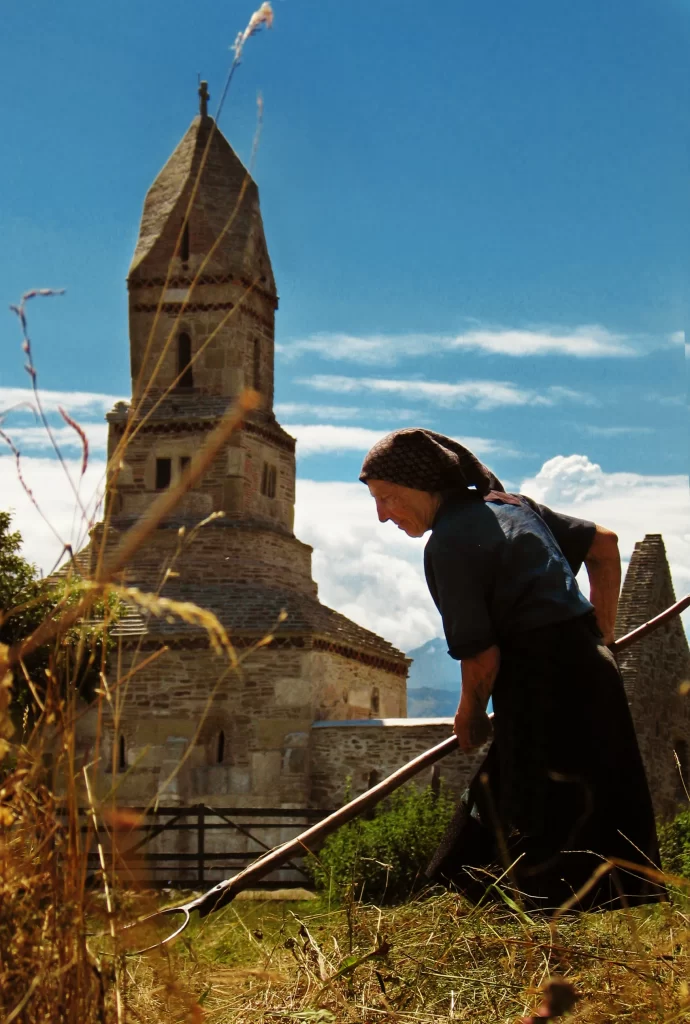
The Hațeg Country Dinosaurs Geopark, located in southwestern Transylvania, was established in 2004–05 around the area of the prehistoric Hațeg Island — a tropical volcanic island in the Tethys Ocean during the late Cretaceous — and became a UNESCO Global Geopark in 2015. The geopark is internationally renowned for its assemblage of dwarf dinosaur species, including the giant pterosaur Hatzegopteryx with an estimated 12-metre wingspan, dinosaur eggs and embryos, and a diverse vertebrate fauna spanning crocodilians, birds, and early mammals.
Palcu Rolier contributed to the geopark's tourism development charter (2013), part of the scientific effort to create evidence-based visitor infrastructure for one of Romania's most significant geological heritage sites. The geopark's deep geological narrative connects directly to his core research interests: the Hațeg Basin was part of the ancient Tethys Ocean system, and its sedimentary record documents the closure of the Tethys and the emergence of the continental environments that would later give rise to the Paratethys and its evaporite record.
Buzău Lands UNESCO Global Geopark
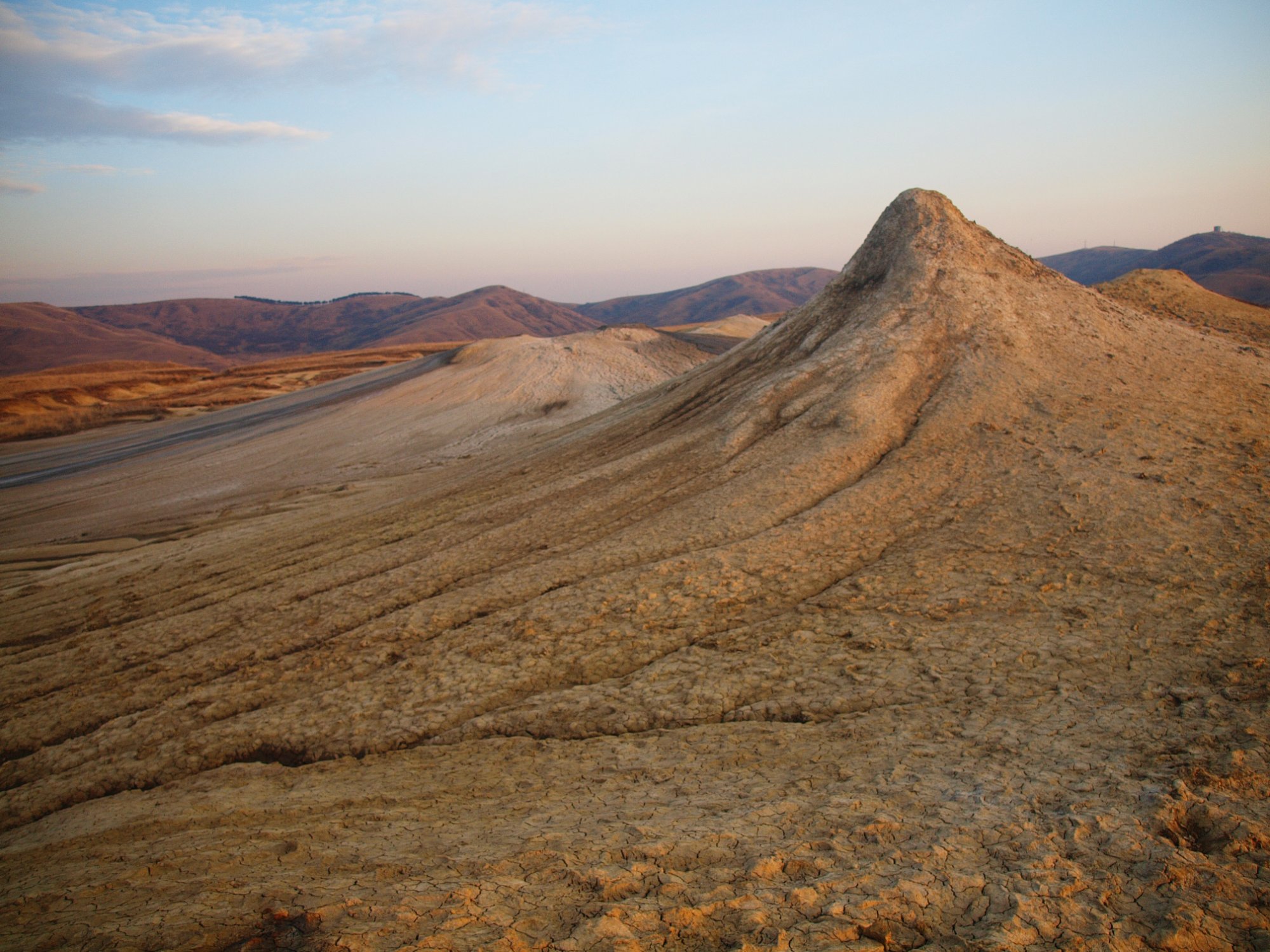
The Buzău Lands UNESCO Global Geopark (Romanian: Geoparcul UNESCO Ținutul Buzăului) encompasses the Buzău Subcarpathians and their exceptional concentration of geological phenomena: mud volcanoes, salt diapirs, natural gas seeps (focul viu — the "living fire"), and tilted Paratethys-era sedimentary sequences. Photographs by Palcu Rolier have been used in the geopark's published scientific documentation, and his research on the Paratethys directly informs the interpretation of these features as remnants of the ancient megalake system.
The Buzău landscape preserves some of the most legible surface evidence of Paratethys history in Romania. As Palcu Rolier has described: "The boulder-strewn sands in the Subcarpathians of Buzău, the limestones in the Istrița area that were tropical beaches ten million years ago, the reddish cliffs of southern Dobrogea where the lake's filling and draining cycles are recorded in alternating layers of rock — all of this is Paratethys, written in the landscape."
Local learning centres
Beyond the two UNESCO geoparks, Palcu Rolier has been involved in supporting smaller-scale geological heritage and learning initiatives in Romania. These include the development of the Paratethys Centre at Gura Sărății (near Sărata Monteoru, Buzău County) — a local learning facility designed to make the story of the Paratethys mega-sea accessible to the communities living atop its geological legacy. Situated in a region rich in salt springs, mud volcanoes, and fossil outcrops, the centre aims to connect the international scientific significance of the Paratethys record with the everyday landscape familiar to local residents, forming part of the visitor infrastructure supporting the Buzău Lands UNESCO Geopark.
Noble lineage: Alb de Borosjenő
thumb|left|upright=0.5|Coat of arms of the Alb (Fejér) de Borosjenő family, granted 6 August 1649 by Transylvanian Prince George II Rákóczi. Golden griffin rampant on an azure field, rising from a royal crown. Palcu Rolier is a direct descendant of the Alb (Fejér) de Borosjenő family, a minor noble family of Romanian origin from western Transylvania, documented in a 2023 study by historian Felicia Aneta Oarcea published in the journal Tyragetia.
The family's noble status was established on 6 August 1649, when Transylvanian Prince George II Rákóczi issued letters patent in Alba Iulia to Ladislau Fejér de Ineu in recognition of military service. Unusually for the period, the diploma extended the noble title explicitly to descendants regardless of [...] — including the grantee's wife Suzana Molnár and daughter Ana Fejér — a provision that distinguished the family's noble inheritance from more restrictive patrilineal traditions of the era.
Under Habsburg rule, the family was required to reconfirm its privileges. After contested proceedings in 1791–1794, the Arad county authorities confirmed the title in 1815 following testimony from 13 witnesses. Across the eighteenth and nineteenth centuries the family produced an unbroken line of priests and teachers who served as custodians of local identity in the communities of the Zarand region of western Transylvania — an area historically defined by the coexistence of Romanian, Hungarian, and German-speaking populations across the valleys of the Criș and its tributaries. Several family members — including priests Iovu Alb (1779–1849) and his son Iov, and Pavel Feier of Șteia — were killed or executed during the Romanian Revolution of 1848 as a result of their participation in the movement led by Avram Iancu.
During the Communist period, the family was subjected to persecution as chiaburi (Romanian: chiabur, pl. chiaburi) — the Romanian term for peasants classified by the Communist regime as kulaks, deemed economically privileged landowners and targeted for dispossession, forced labour, and social marginalisation as part of the collectivisation campaign of the 1950s–1960s. The 1649 diploma and associated family documents were concealed during this period — stored in a cloth pouch on a beam in the house — to protect them from confiscation. They survive intact and are held by the family.
Selected publications
- Palcu, D.V. et al. (2021). "Late Miocene megalake regressions in Eurasia." Scientific Reports, 11, 11471.
- Krijgsman, W., Palcu, D.V. et al. (2024). "Causes and consequences of the Messinian Salinity Crisis." Nature Reviews Earth & Environment, 5, 335–350.
- García-Castellanos, D., Palcu, D.V. et al. (2025). "Kilometric sea-level changes during the Messinian Salinity Crisis." Science Advances, 11, eads9752.
- Palcu, D.V. & Krijgsman, W. (2023). "The dire straits of Paratethys." Geological Society, London, Special Publications, 523, 111–139.
- Palcu, D.V. et al. (2023). "The legacy of the Tethys Ocean." Earth-Science Reviews, 246, 104594.
- Palcu Rolier, D.V. et al. (2025). "Paleoenvironmental evolution of the Eastern Paratethys." Chemical Geology, 692, 122974.
- Braun, D.R., Palcu Rolier, D.V. et al. (2025). "Early Oldowan technology thrived during Pliocene environmental change in the Turkana Basin, Kenya." Nature Communications, 16, 9401.
- Palcu, D.V. (2013). Hațeg Country Dinosaurs Geopark — Tourism Development Charter. ResearchGate.
- Palcu, D.V. (2018). The Dire Straits of Paratethys. PhD dissertation, Utrecht University. 1
Awards and recognition
- Guinness World Record (2023) — largest known lake in Earth's history, Megalake Paratethys
- NWO VENI Fellowship (2022) — Dutch Research Council personal award for scientific independence and future leadership potential
- FAPESP PI Grant (2024) — São Paulo Research Foundation, paleogeographic and paleoenvironmental reconstruction
- FAPESP Postdoctoral Fellowship (2018) — University of São Paulo, Instituto de Oceanografia
- COST Action SaltAges WG4 Leader — Salt Archetypes; 200+ researchers, 35+ countries
- Invited keynote lectures at EGU, AGU, Goldschmidt, NCSEE, Charles University Prague, University of São Paulo
- Research coverage in 49+ international news outlets across 20+ languages, outlets include BBC News, BBC Wildlife, National Geographic, Smithsonian, El País, Ars Technica, Popular Mechanics, Globo TV, Gizmodo, IFLScience, Phys.org, Digi24, ProTV, and InHouse of the Romanian Innovation (cover, Oct. 2025)
Photo gallery
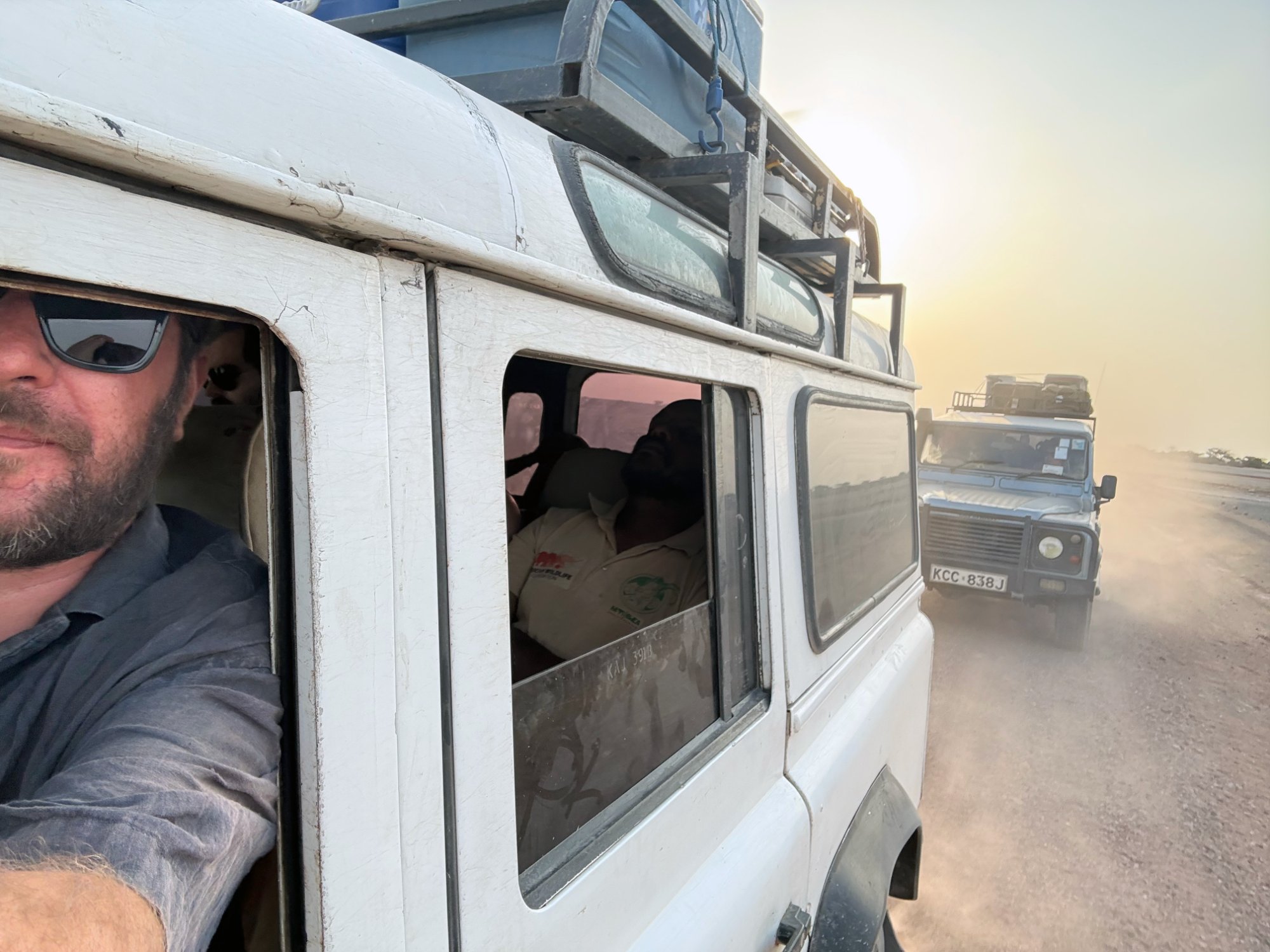
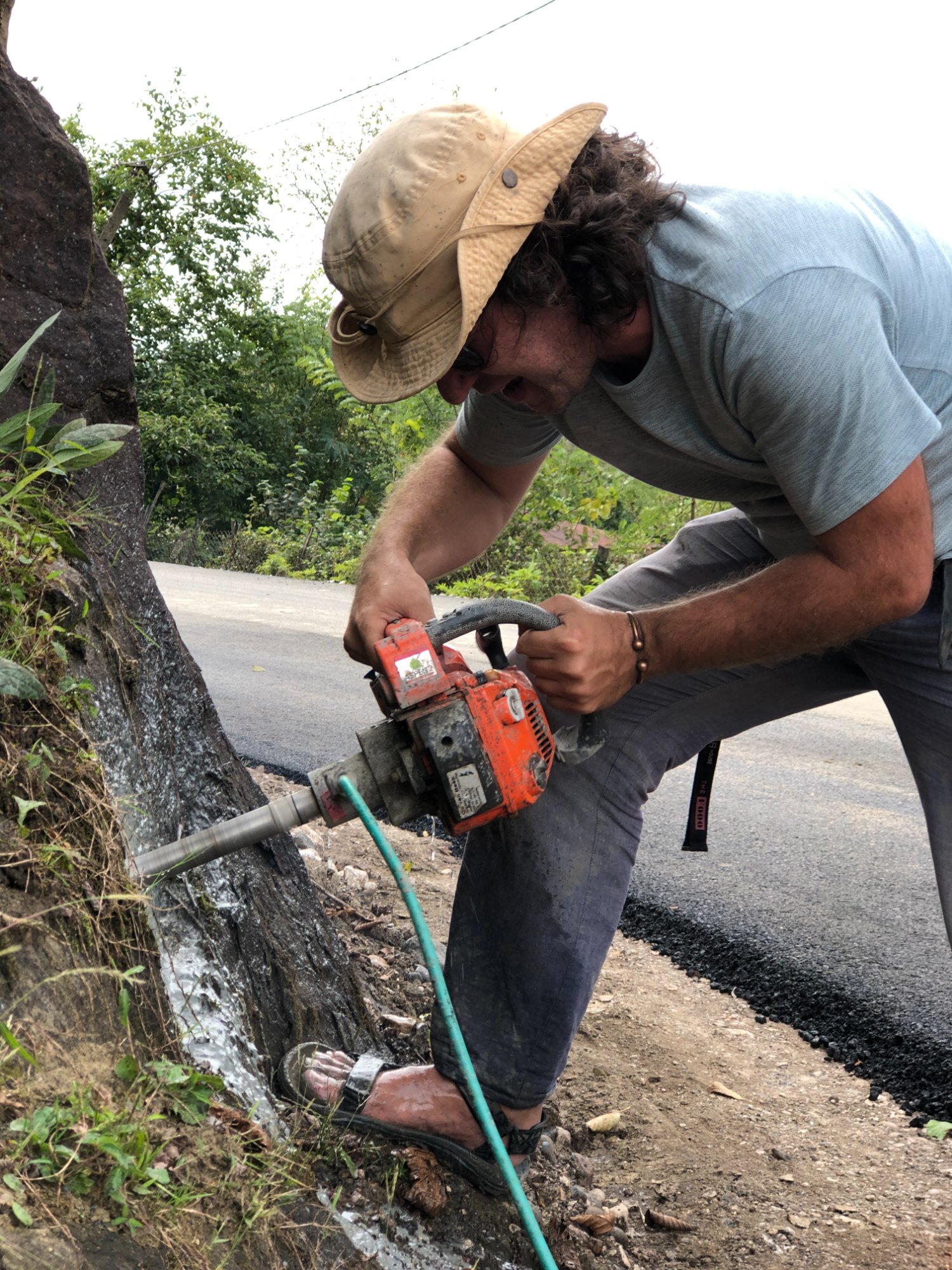
File:Fieldwork expedition North Caucasus2015.jpg|Expedition, North Caucasus, 2015 — crossing by inflatable raft to reach outcrop sites along former Paratethys shores File:Field Amazonia.jpg|Rock sampling, Amazônia, Brazil — drilling cores from a roadside outcrop for South Atlantic evaporite research File:Portrait Field Kenya 2022.jpg|Under canvas at the Koobi Fora Field School camp, Turkana Basin, Kenya, 2022 File:Portrait Field 2025.jpg|In the field, Turkana Basin, Kenya, 2025 File:Expedition Kenya 2025.jpg|Expedition convoy en route to a research site, Turkana Basin, Kenya, 2025 File:FIeld KENYA 2025.jpg|Examining Pliocene sediment exposures during fieldwork in the Turkana Basin, Kenya, 2025 File:Portrait phd Defense 2018.jpg|At his PhD defence, Utrecht University, Netherlands, 2018