
Cuatro Álamos
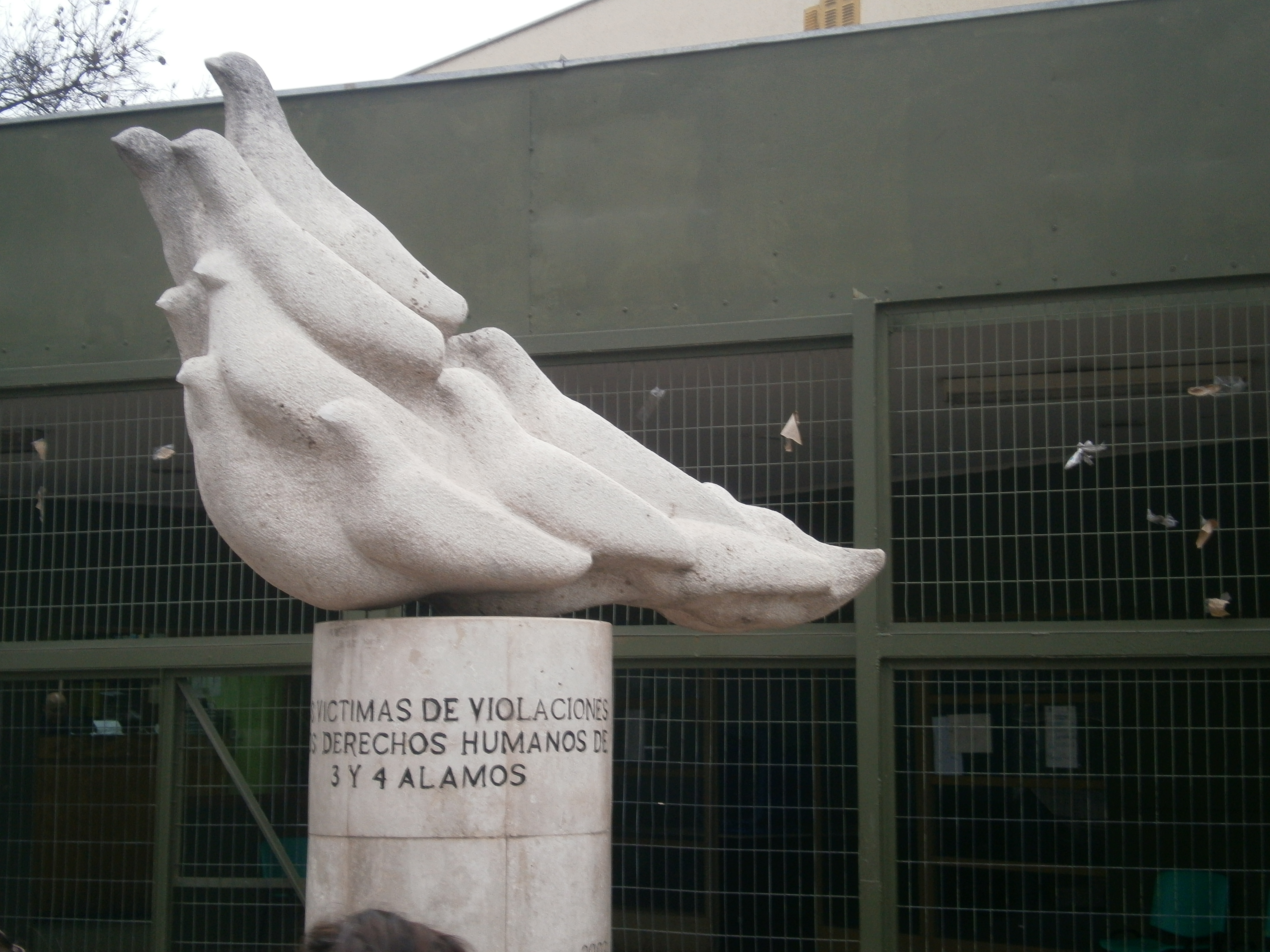
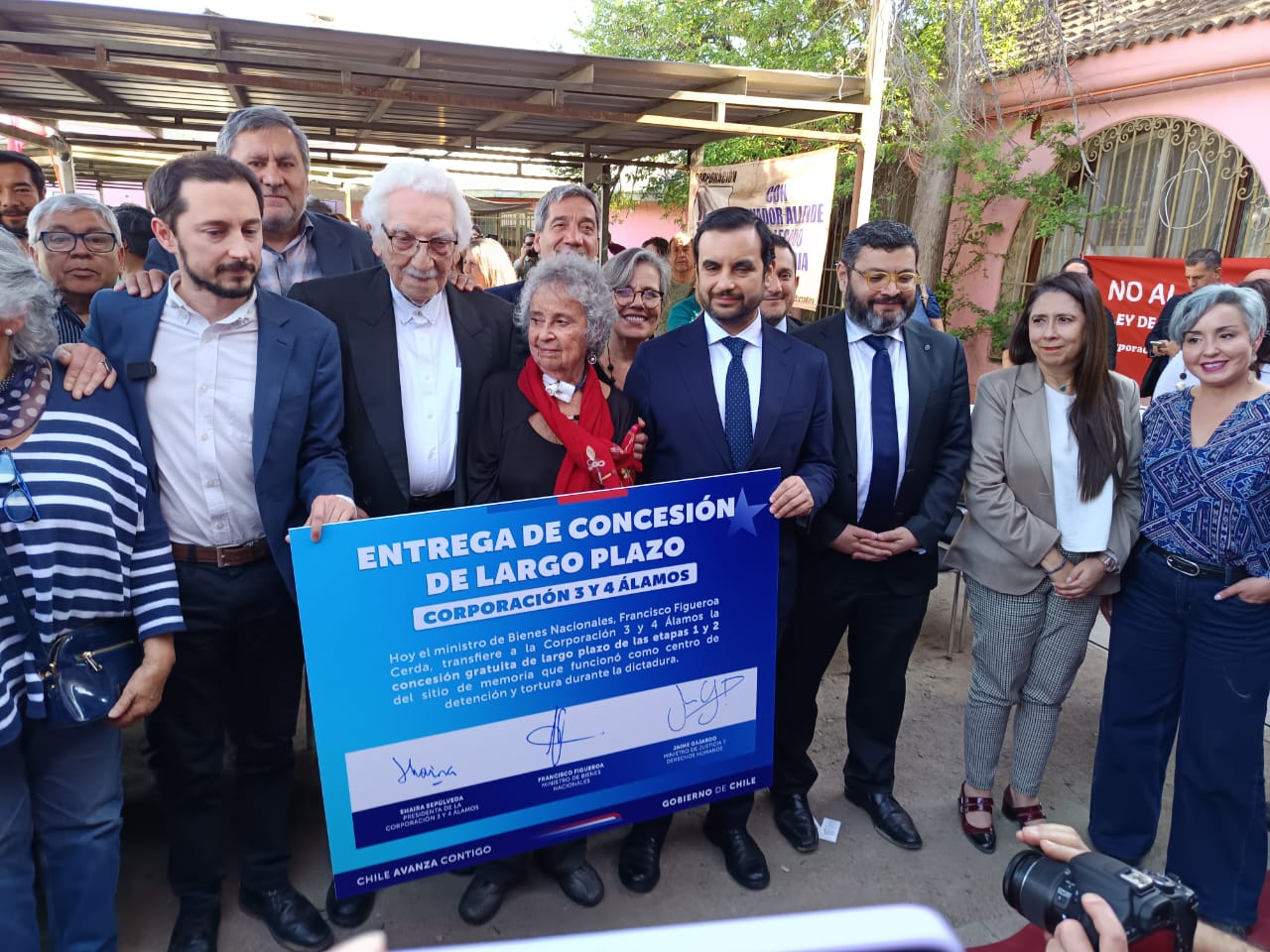
Cuatro Álamos was a clandestine detention and torture center operated by the National Intelligence Directorate (DINA), the secret police of Augusto Pinochet's military dictatorship in Chile. Concealed within the larger Tres Álamos prisoner camp in the San Joaquín district of Santiago, it functioned as DINA's principal facility for holding political prisoners incommunicado between 1974 and 1977–1978, and was one of the sites through which the largest number of Chile's disappeared passed before vanishing.
Unlike the adjoining Tres Álamos camp, which was run by the Carabineros de Chile and whose detainees were officially acknowledged and permitted family visits, Cuatro Álamos was administered exclusively by DINA and its detentions were never formally recognized, leaving prisoners exposed to torture and, in many cases, permanent disappearance. More than 6,000 political prisoners are believed to have passed through the combined Tres y Cuatro Álamos compound, many of whom were subsequently listed among Chile's detained-disappeared. Among them were the Spanish-born priest Antonio Llidó and Cecilia Miguelina Bojanic Abad, a member of the Revolutionary Left Movement (MIR) who was four months pregnant at the time of her arrest.
The site was declared a national historic monument in stages beginning in 2012, and the Chilean government began transferring administration of the memorial site to a survivors' organization, the Corporación 3 y 4 Álamos, around the 50th anniversary of the 1973 coup.
Location and structure
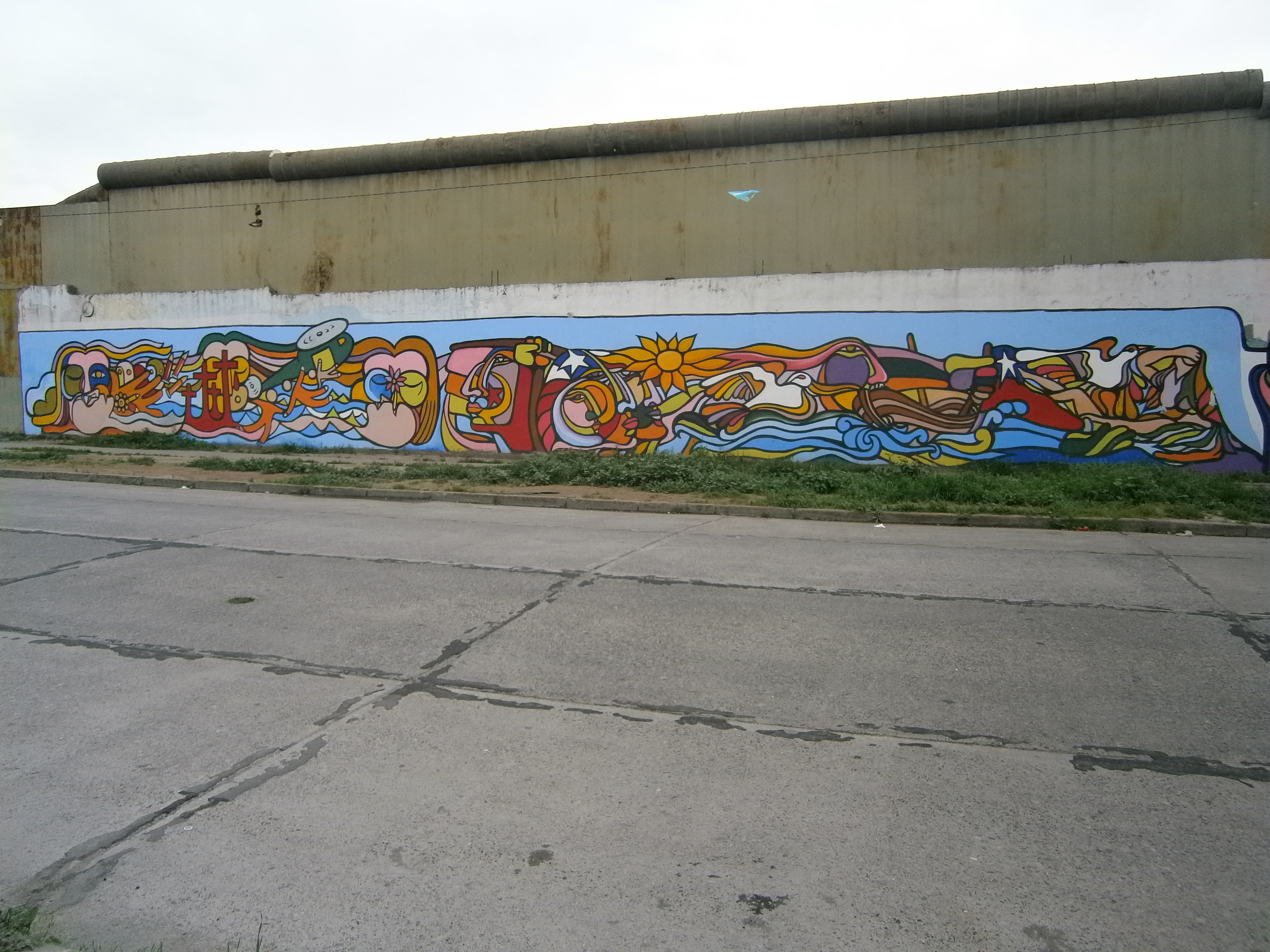 Cuatro Álamos occupied a walled-off section within the larger Tres Álamos compound, on Canadá Street (No. 5351–5359) in the San Joaquín district of Santiago. The property had originally been purchased by the Chilean state in 1971 from a religious order, the Missionary Oblate Sisters of Mary Immaculate, for use as a children's home, but was repurposed after the 1973 Chilean coup d'état first as the Tres Álamos prisoner camp and then, within it, as the isolated DINA facility known as Cuatro Álamos.
The facility consisted of twelve small cells, one large communal cell, and a set of administrative offices. Access was restricted to DINA personnel and other intelligence agents, and detainees were typically brought in and removed blindfolded. Prisoners were held incommunicado and their detentions were not officially acknowledged; those later released were typically driven away blindfolded and abandoned in public. Within their shared cells, however, detainees could communicate with one another; the small cells typically held between two and six prisoners, while the large cell at times held 20 to 50 or more.
Some prisoners held in Cuatro Álamos were later transferred to the adjacent Tres Álamos camp, where they were officially registered as detainees and could receive family visits, unlike those who remained in DINA custody.
Operation
Cuatro Álamos operated under DINA control from 1974 until the agency's dissolution in 1977–1978, functioning as a transit and interrogation point for prisoners brought in from other clandestine DINA facilities, such as Villa Grimaldi and the Cuartel José Domingo Cañas (also known as "Ollagüe"), before they were either transferred to Tres Álamos, released, exiled, or made to disappear. Torture and interrogation continued at Cuatro Álamos itself, and the facility's administrator during this period was reported to be Gendarmerie officer Orlando Manzo Durán.
Records compiled by Chilean human rights organizations document dozens of people who were last seen alive at Cuatro Álamos before being removed by DINA agents and never found again. Chile's National Commission for Truth and Reconciliation (the Rettig Commission) and its successor, the National Commission on Political Imprisonment and Torture (the Valech Commission), both took testimony describing the isolation, incommunicado detention, and abuse suffered at the site.
Notable victims
More than 6,000 political prisoners are estimated to have passed through Tres y Cuatro Álamos, many of whom remain listed as disappeared. Among them was Antonio Llidó, a Spanish-born Roman Catholic priest and member of the Christians for Socialism movement affiliated with the MIR. Arrested by DINA agents around October 1, 1974, Llidó was first tortured at the Cuartel José Domingo Cañas before being transferred, in mid-October 1974, to cell 13 of Cuatro Álamos, from which he was removed along with other prisoners on October 24, 1974, and never seen again. Llidó's disappearance later became a key element in Spanish judge Baltasar Garzón's 1998 extradition request for former dictator Augusto Pinochet. In September 2008 a Chilean court convicted former DINA director Manuel Contreras and three other former intelligence agents of Llidó's aggravated kidnapping, sentencing each to seven years in prison and ordering the Chilean state to pay civil damages to the priest's sister; the Santiago Court of Appeals upheld the convictions in October 2009. In August 2010, Chile's Supreme Court reduced the sentences to five years, granting the convicted men parole-equivalent benefits, while rejecting the victim's family's separate compensation claim against the state.
Also among the disappeared was Cecilia Miguelina Bojanic Abad, a secretary and MIR militant who was approximately four months pregnant when she and her husband, fellow MIR member Flavio Oyarzún Soto, were seized by plainclothes agents on October 2, 1974. The couple was held first at the Cuartel José Domingo Cañas and then at Cuatro Álamos, from which both disappeared in mid-October 1974. Chilean courts later convicted Contreras and several other former DINA officers of the aggravated kidnapping of Bojanic and Oyarzún.
Site of memory and legacy
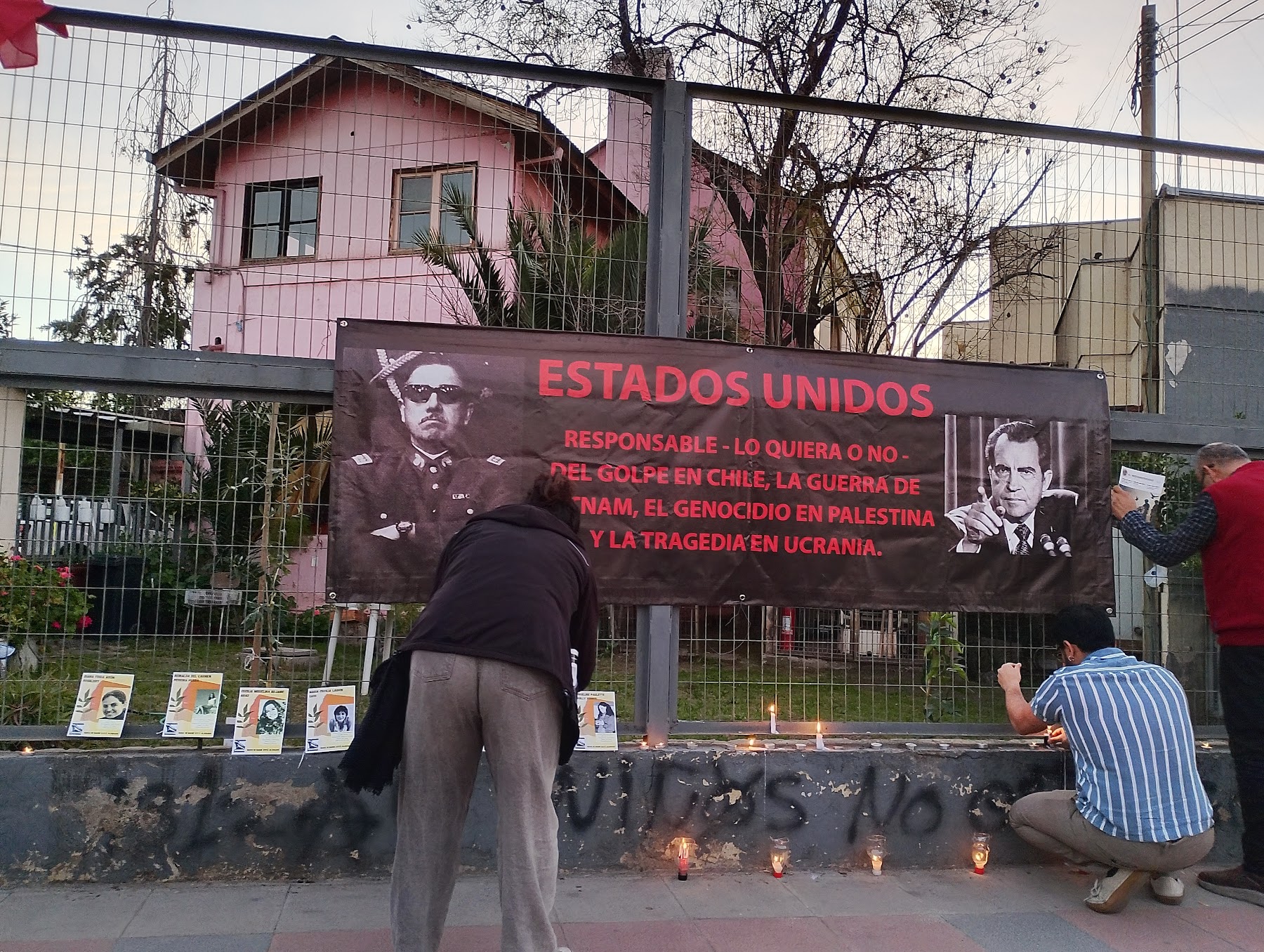 Following the return of democracy, neighbors, survivors, and human rights organizations began holding regular demonstrations outside the former camp, and a memorial was inaugurated at its entrance in 2003. The compound, which today also houses a juvenile detention facility administered by Chile's National Minors' Service (Sename) and the Gendarmería, has since been progressively recognized as a national historic monument: the former administration building was declared a Monumento Histórico by Supreme Decree No. 252 on June 27, 2012, a declaration extended to the visitors' courtyard in 2016 and to the prisoner pavilions—including the former Cuatro Álamos cells—in 2017, under the collective name "Campo de Prisioneros Políticos Tres y Cuatro Álamos."
Survivors and relatives, organized since 2010 as the Corporación 3 y 4 Álamos, have continued to press the Chilean government to transfer the full site so that it can be converted into a "Park for Peace," modeled on the Villa Grimaldi memorial. During the government of President Gabriel Boric, the state began handing over portions of the site to the Corporación in stages, coinciding with the 50th anniversary of the 1973 coup in 2023. On September 11, 2025, Minister of the General Secretariat of Government Francisco Figueroa formally transferred the site's third stage, along with a comodato (loan-for-use) agreement, to the Corporación 3 y 4 Álamos, whose president is survivor Shaira Sepúlveda.
See also
- Military dictatorship of Chile (1973–1990)
- Tres Álamos
- Villa Grimaldi
- Dirección de Inteligencia Nacional