
Chittagonians
The Chittagonian people ( or ) are an Indo-Aryan-speaking ethnocultural group native to the Greater Chittagong region of southeastern Bangladesh. They are widely considered a subgroup of the Bengalis. They live in Chittagong and Cox's Bazar districts of Bangladesh, and some also live in Tripura, Maungdaw and the Chittagong Hill Tracts.
The Chittagonian community traces its origins to the early medieval and modern periods of Bengal. Chittagong has been a major sea port since ancient times, with Arabs and Persians trading there by the 9th-13th centuries. Many Muslim saints and Sufi missionaries settled in the region after the conquest of Bengal (1204 CE) and especially after the 14th century, leaving a strong mark on local culture and religion. Until the 16th century Chittagong alternated between rule by the Buddhist Arakanese kingdom of Burma and then the Bengali Sultanate, after which it passed under Mughal administration (1666). Portuguese and Magh pirates operated along the coast in the 16th-17th centuries, and the Portuguese established a colonial foothold in Chittagong during that period. These long trade and conquest histories made Chittagong a melting pot, over time Arabs, Persians, Afghans, Arakanese (Maghs) and later British and other settlers intermarried with the local Bengalis.
During the British colonial period, Muslim Chittagonians living in northern Arakan (now Rakhine State, Myanmar) were often classified in official records as "Mohammedans", a term used by colonial administrators to denote the Muslim population. Among these communities, migrants from the Chittagong region of present-day Bangladesh were sometimes specifically identified as "Chittagonians" or "Chittagonian Mohammedans", distinguishing them from longer-settled Muslims in Arakan such as the Arakan Mahomedans, now known as "Rohingyas". The 1921 and 1931 colonial censuses described these groups with labels including "Chittagonian Mahomedans born in Burma" and "Chittagonian Mahomedans born outside of Burma". They were also known as "Indian Muslims" or "Arakanese Indians".
Etymology
The name Chittagong has a debated origin with several competing historical explanations. One hypothesis proposes that the name derives from Chattagram or Chatigrama, combining chati (earthen lamp) and grama (village). According to this view, phonetic changes in local speech may have produced the form chita-gnao, in which gnao, with a nasalised "g", also denotes a village. This explanation is sometimes associated with local traditions that refer to the manufacture and supply of earthen lamps in early historic settlements of the area. Another longstanding scholarly suggestion dates back to Bernoli's Description Historique et Geographique de l’Inde (1786), which argued that the name derived from the Arabic term shat (meaning "river delta") prefixed to Ganga (the Ganges), referring to the port's location at the mouth of the Ganges delta and later evolving into the local form Chittagong over centuries of multilingual trade contacts. Historical records also show that Arab merchants and geographers as early as the 9th-12th centuries interacted with the region's port, and local vernaculars like Chatga or Chatgaon can be traced alongside Persian and Arakanese naming traditions, reflecting continuous linguistic layering in the city's identity. Other suggested historical origins of the name include Tsit-Ta-Gung, recorded in Arakanese inscriptions, Shwet Gang (interpreted as "white sea"), and Chaityagrama. These interpretations reflect the region's historical interactions with different linguistic, cultural and political traditions.
The term Chittagonian refers to the language called Chittagonian or people who speak that language. It is a recent term created by the British, which is literally just "Chittagon" with the "g" at the end removed and the suffix "-ian" added.
Language and identity
The Chittagonian people speak the Chittagonian language, which belongs to the Eastern Indo-Aryan (Bengali-Assamese) group. Chittagonian is markedly different from Standard Bengali. It is the mother tongue of the Chittagonian people, and it functions as the primary medium of everyday communication and oral tradition. Today the Chittagonian people are culturally Bengali but possess a distinct regional identity. The language includes many loanwords from Arabic, Persian, Hindustani, Pali, Burmese, English and Portuguese, and is often mutually unintelligible to Bengali speakers from other regions. For example, Chittagonian is sometimes compared to the Rohingya language of Myanmar, with roughly 70-90% lexical similarity. Linguists classify it as a southeastern Bengali dialect (of the Bengali-Assamese subgroup) that has diverged considerably from Standard Bengali. Chittagonian retains conservative features (such as preverbal negation) and a unique vocabulary; it is only partially intelligible even to other Bengalis. The language is characterized by heavy influence from many languages: for example, many Arabic-Persian loanwords entered Chittagonian via Muslim traders and clerics, while Portuguese sailors and settlers left behind vocabulary as well. (Place names like Alkaran, Sulek Bahar, etc. owe their origin to medieval Muslim or Arakanese usage.)
Because the language is mainly oral and has no official status, many Chittagonian youth also learn Standard Bengali and English, especially in urban areas. Traditional folk poetry and music, however, are often composed and performed in the Chittagonian language. Chittagonian people also share cultural ties with the Rohingya of Myanmar, who speak a similar language. Aid workers note that Rohingya refugees often use Chittagonian to communicate, reflecting a close linguistic affinity.
Religion
The vast majority of Chittagonians are Muslims, overwhelmingly Sunni. Some Chittagonian muslims are also Shia and Ahmadi. Historical sources note that after the 13th century conquest of Bengal, Muslim traders and settlers poured into Chittagong and integrated with the local population. Sufi Islam remains influential, established shrines in the Chittagong area, making the region an important site of Bengali Islamic culture. Today one sees many mosques, often with Indo-Islamic architecture and large Eid gatherings in Chittagong. Religious festivals such as Eid al-Fitr and Eid al-Adha are celebrated with community prayers, feasting, and charity, as in the rest of Muslim Bangladesh.
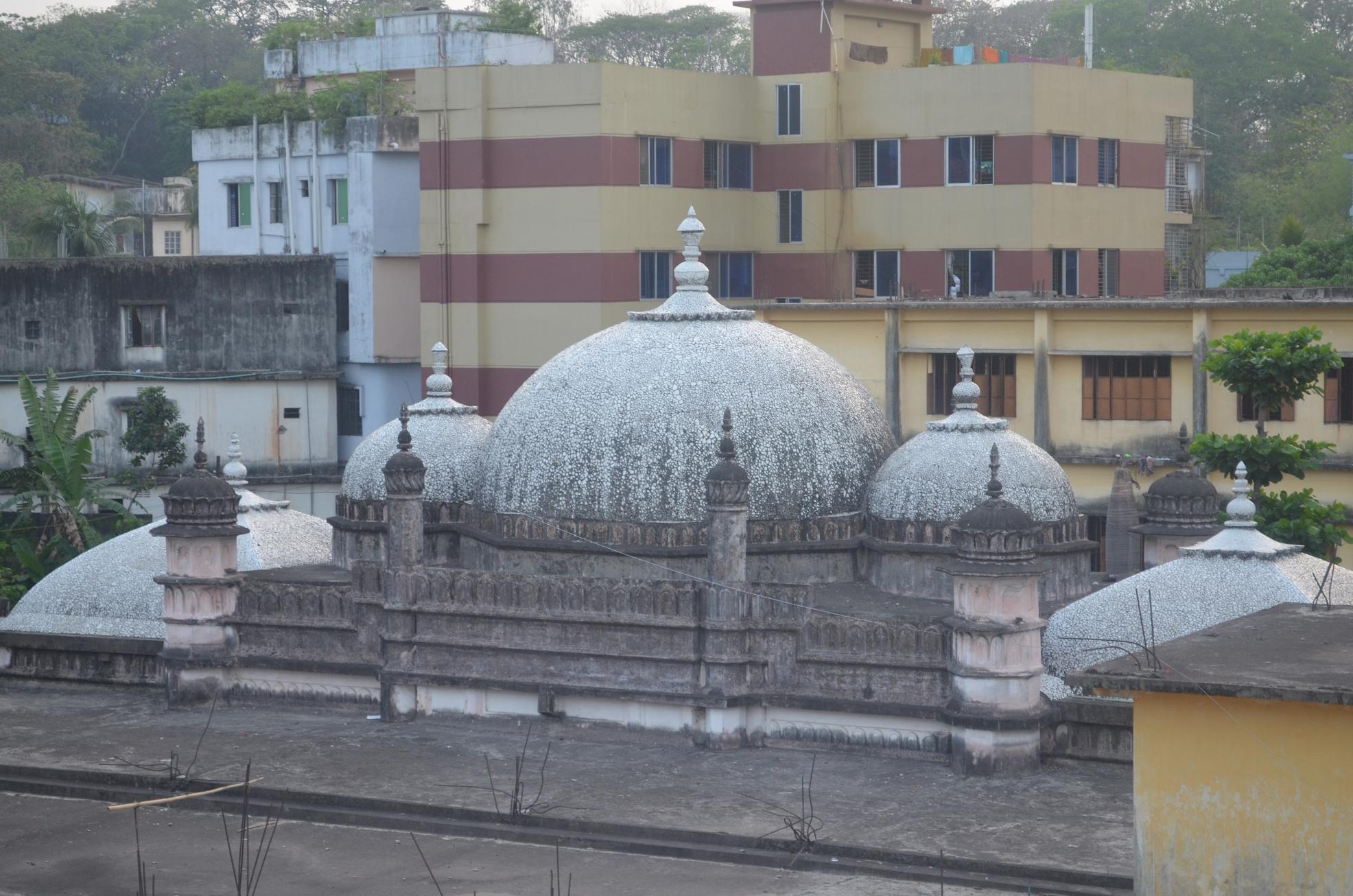
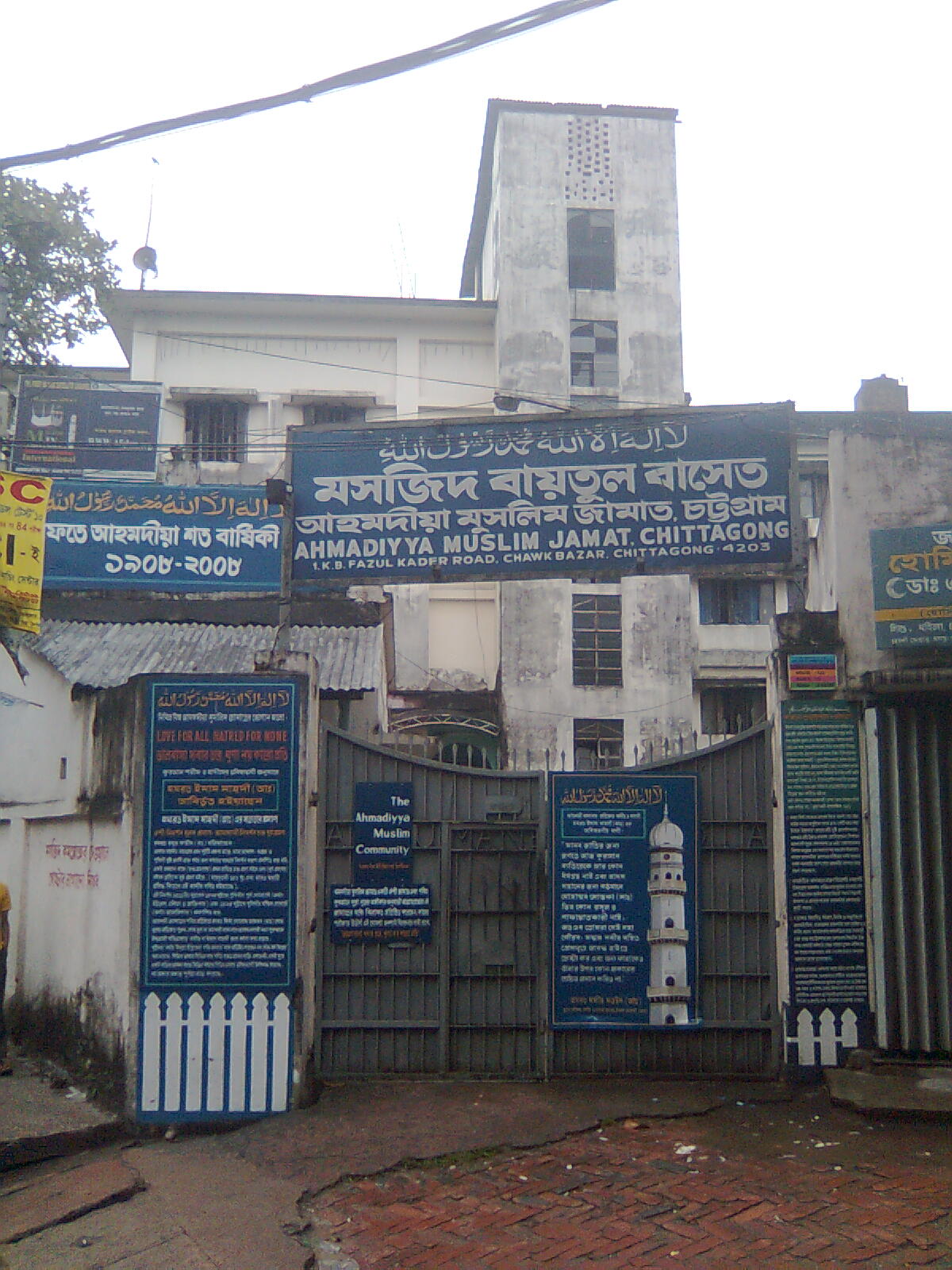
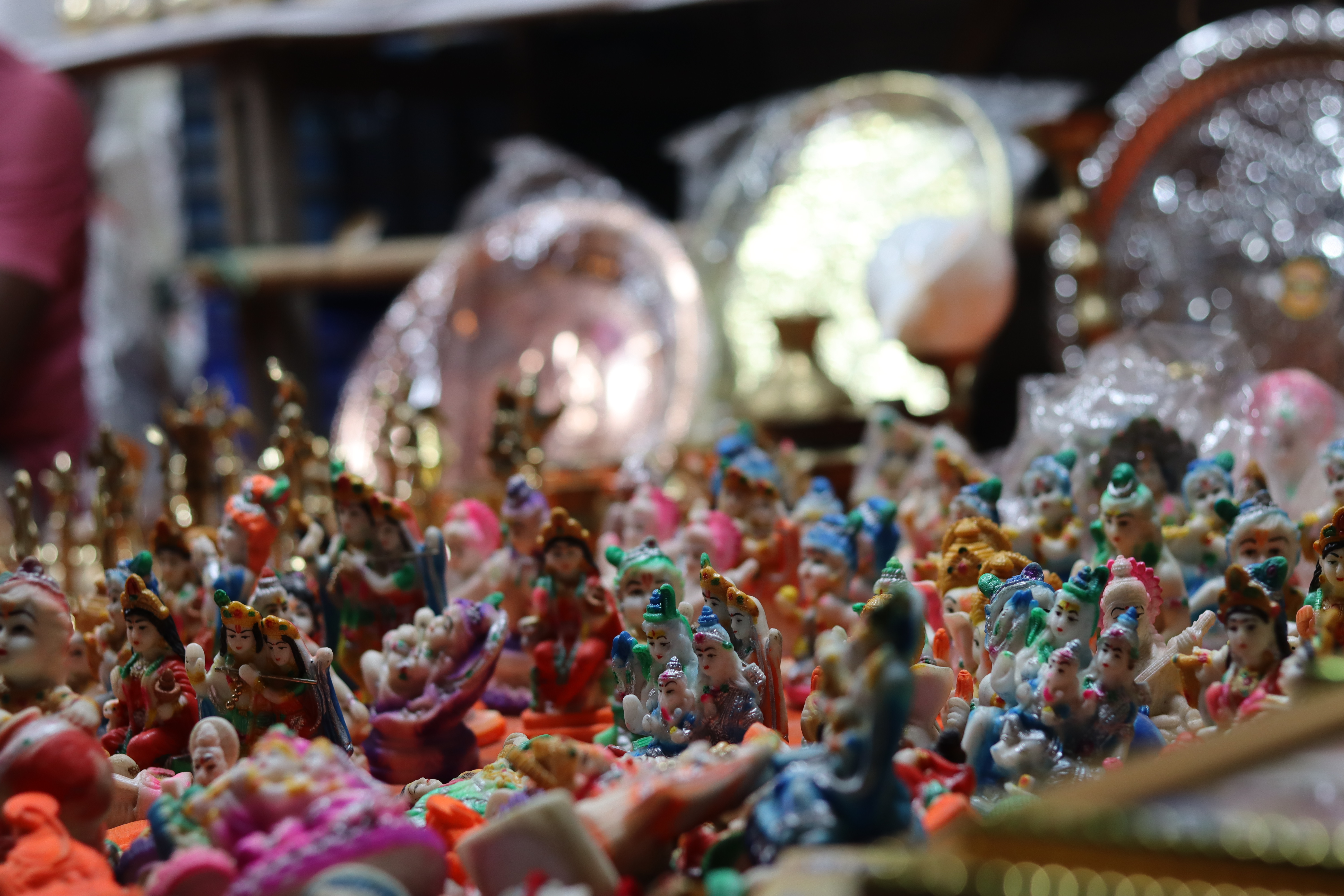
There are also religious minorities among the Chittagonian population. According to census figures in the Chittagong and Cox's Bazar districts, about 10-11% of Chittagonians are Hindus.
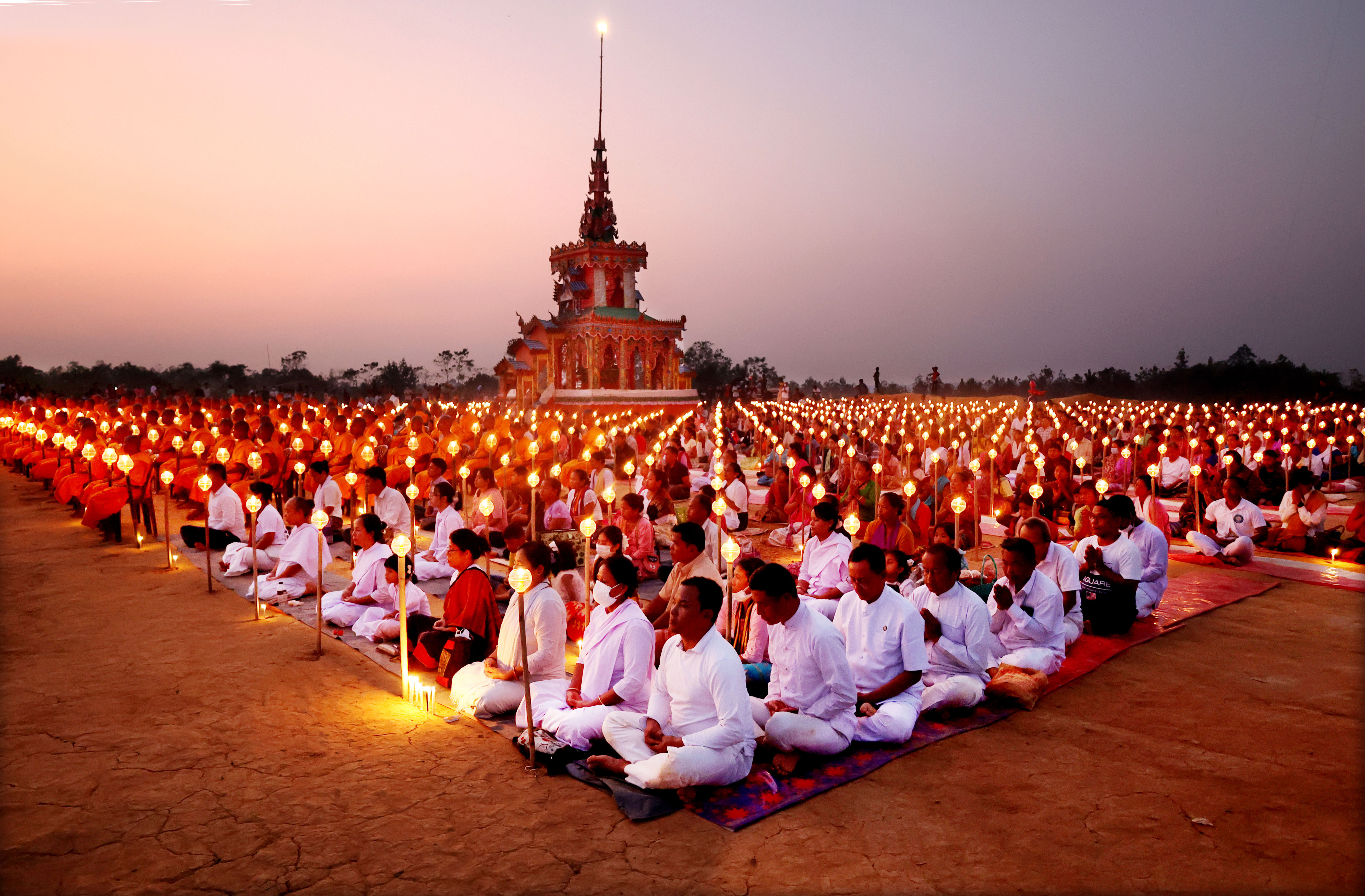
Roughly 2% are Buddhists, mostly Chittagonian Buddhists, also known as Baruas. The Barua are an old Chittagonian Buddhist community, historically centered around Chittagong.
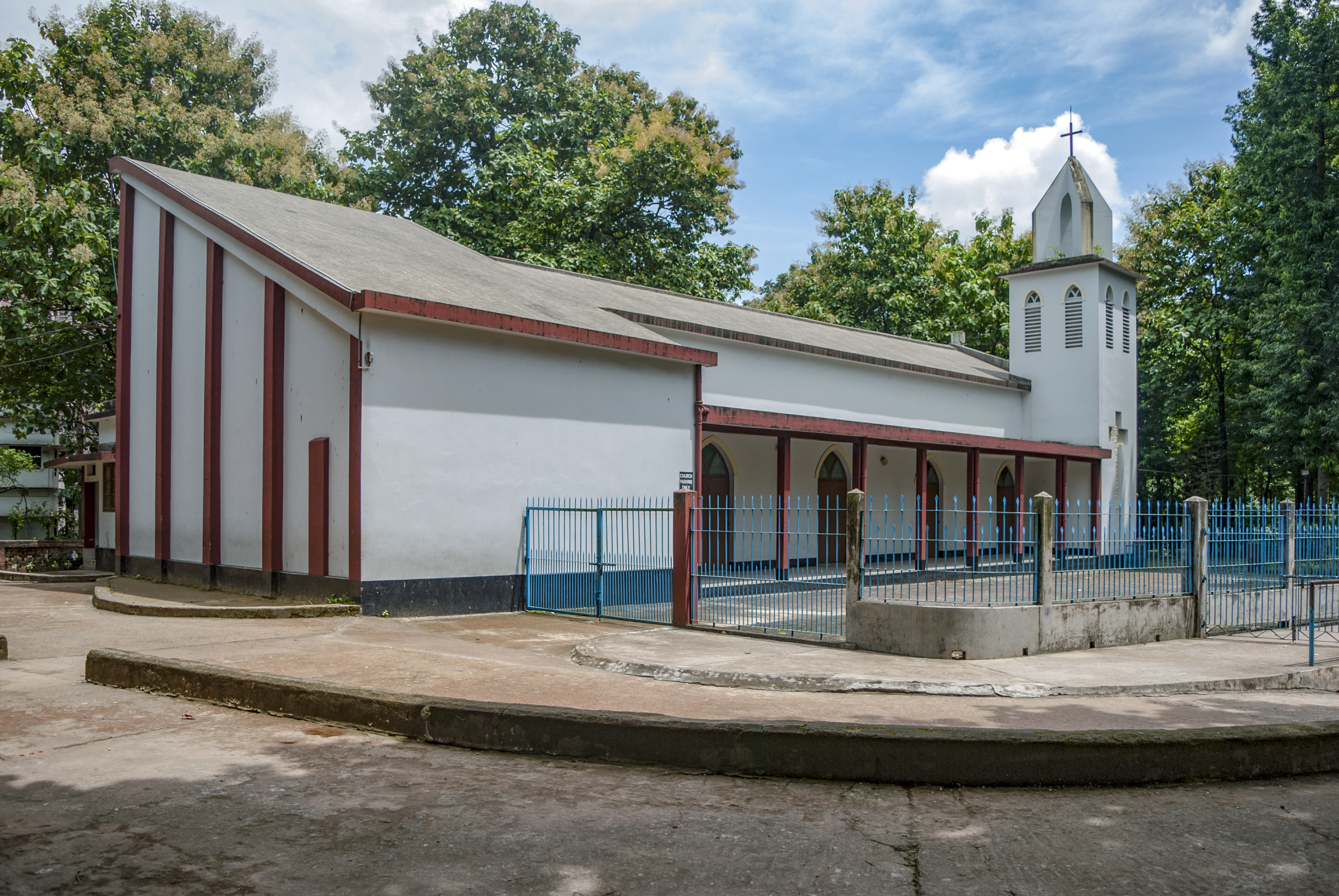
A small Christian community, numbering under 1%, is present mainly in the city and nearby areas. Many of these Christians trace their ancestry to the Portuguese era, the descendants of 16th-17th century Portuguese settlers and other Luso-Bengali mestizos still live in Chittagong, often called Kala Firinghi or Mati Firinghis (black Portuguese or soil coloured Portuguese), and most are Roman Catholic. The influence of the Portuguese is also evident in local church architecture and in numerous loanwords in Chittagonian.
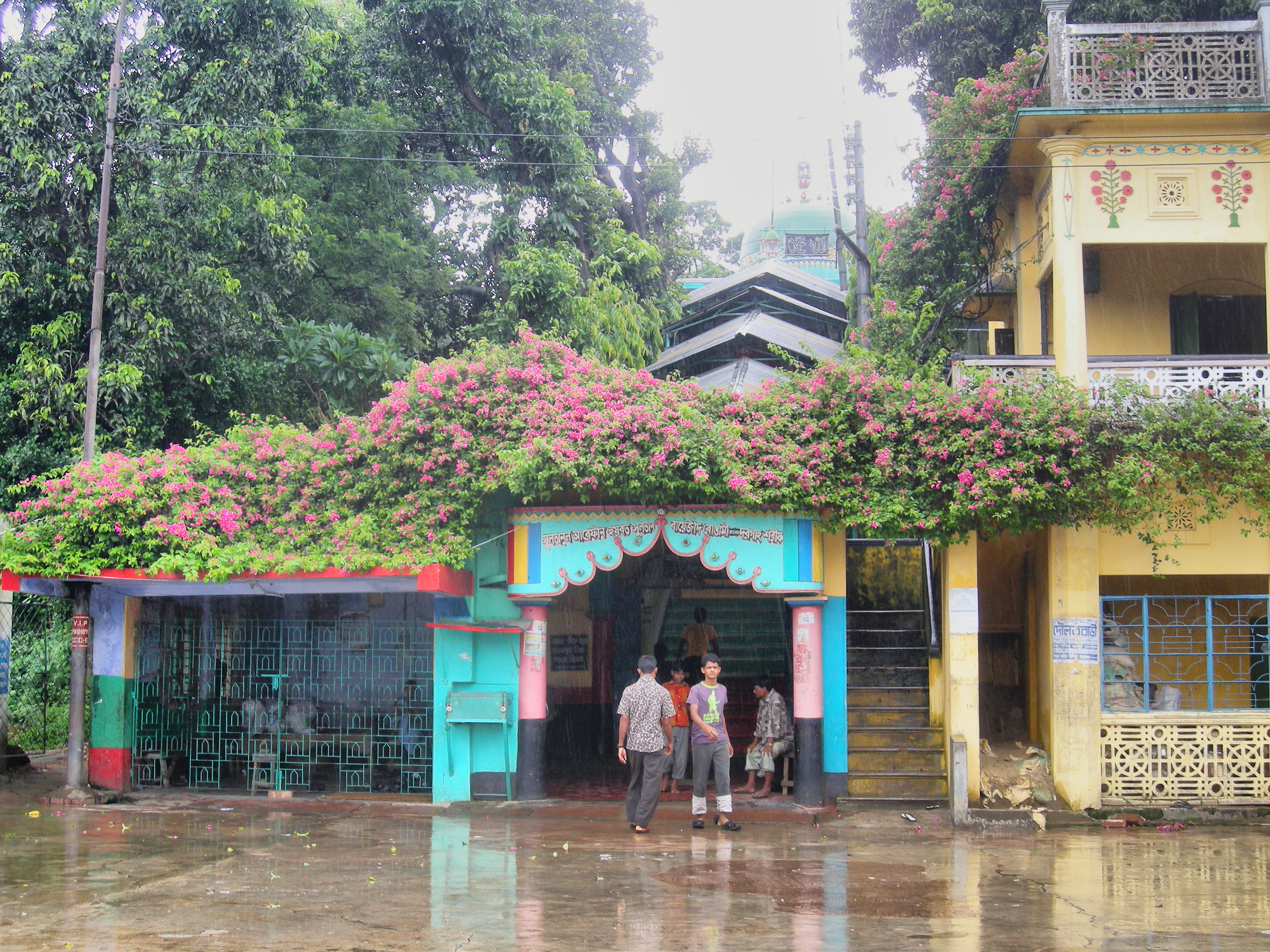
The shrine of a Persian Sufi saint, Bayazid Bostami, in central Chittagong draws visitors of multiple faiths, symbolizing the syncretic heritage of the region.
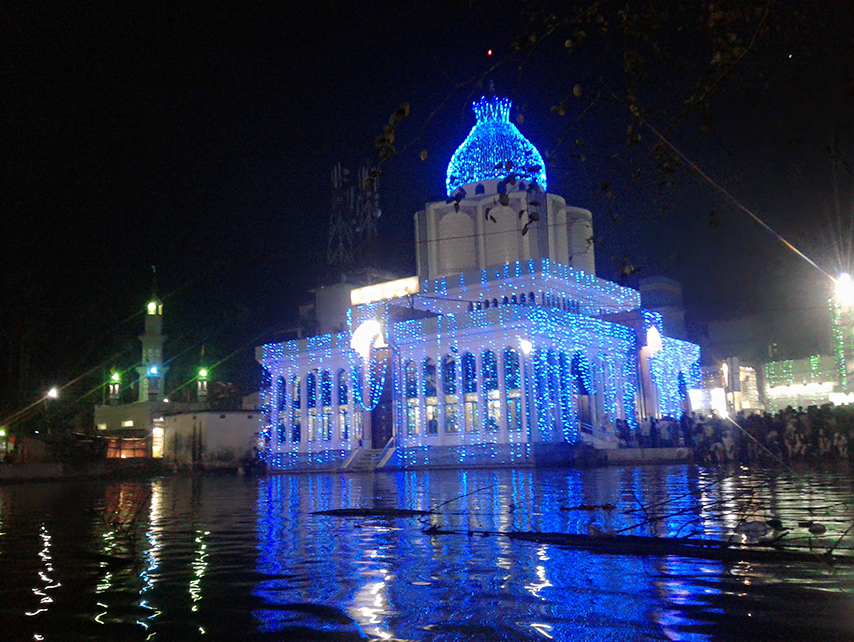
The Maizbhandari order (also romanized as Maijbhandari) is a Chittagonian Sufi Islamic spiritual order native to the Chittagong region of southeastern Bangladesh, based in Maizbhandar, Fatikchhari. The order is associated with the nineteenth-century Bengali Sufi saint Syed Ahmad Ullah Maizbhandari (1826-1906), whose shrine in Maizbhandar became the central religious site for his followers. The Maizbhandari tradition is known for its emphasis on devotional practices such as zikr (remembrance of God), communal gatherings and spiritual teachings that stress moral discipline and humanitarian values. A major feature of Maizbhandari religious life is the annual urs commemorating the death anniversary of its founder, which draws large numbers of devotees from across Bangladesh and abroad.
Firingis
The Firingis of Chittagong are the locally recognised descendants of Portuguese traders, settlers and their Eurasian families who established a commercial and maritime presence in the Chittagong region of Bengal (now Chattogram, Bangladesh) from the early 16th century onward. Portuguese navigators and merchants began arriving in Bengal in the 1510s, and by the 1520s they had secured permission from the Bengal Sultanate to set up trading factories, customs posts, and a fortified port base at Firingi Bandar, which became one of the key Eurasian entrepôts on the Bay of Bengal during the Age of Discovery. Over generations, many Portuguese men intermarried with local Chittagonian resulting in a distinct mixed‑heritage community locally known as "Firings", often concentrated in areas such as Patharghatta and Firingi Bazaar in Old Chittagong. These communities maintained Roman Catholic Christian traditions and Portuguese cultural legacies, while integrating linguistically and socially into Bengal. Their influence is reflected in Portuguese loanwords in the Bengali language, contributions to local place names, and the introduction of tropical fruits such as pineapple and papaya. Although formal Portuguese political control ended by the mid‑17th century with the Mughal reconquest, the Firingis remained embedded in the social fabric of Chittagong.
Culture and traditions
Chittagonian culture is largely an offshoot of wider Bengali culture, but with unique regional flavor. The people maintain many traditional practices, foods and festivals that are especially prized in Chittagong. Folk traditions such as boat songs, originally sung by river boatmen, Baul and Marfati devotional music, and narrative folk-theater like Pala, Jarigan, Gambhira, etc are part of rural life. Local folk poets and composers (some earning titles like "Pandit") historically wrote songs on themes from daily life, nature, and history; their works are still sung at village gatherings and fairs. The Chittagonian language itself permeates these oral art forms, preserving local idioms and proverbs.
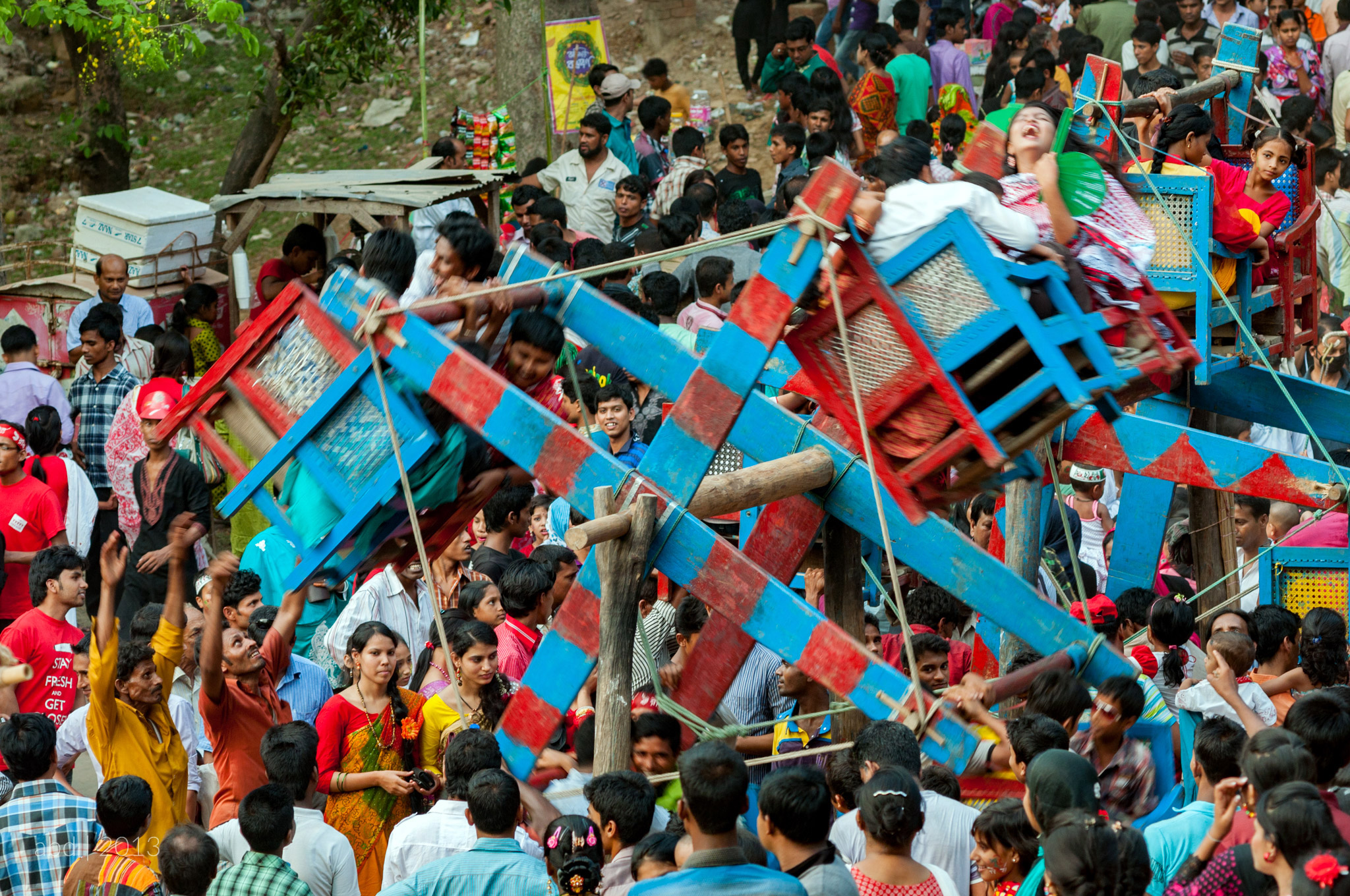
Festivals in Chittagong include the pan-Bengali and religious holidays of Bangladesh, often observed with local colour. For example, Pahela Boishakh (Bengali New Year on 14 April) is celebrated with a "Boishakhi Mela" in Chittagong City and nearby districts. Every year the New Year fair comes alive with folk music, handmade crafts, traditional toys and food stalls, as described by a local writer: “the vibrant Boishakhi Mela…in the port city of Chittagong…[offers] a rich display of tradition”. A well-known highlight of the Boishakh fair is Jabbar's Boli Khela, a traditional Chittagonian wrestling match that draws large crowds. People of all backgrounds attend the fair, wearing bright festive clothing, and artisans sell items like clay toys, cane mats (shitalpati), and local handicrafts. Such fairs emphasize communal bonding and link the community to its rural roots. Besides Pahela Boishakh, Chittagonians also celebrate Chaitra Sangkranti.
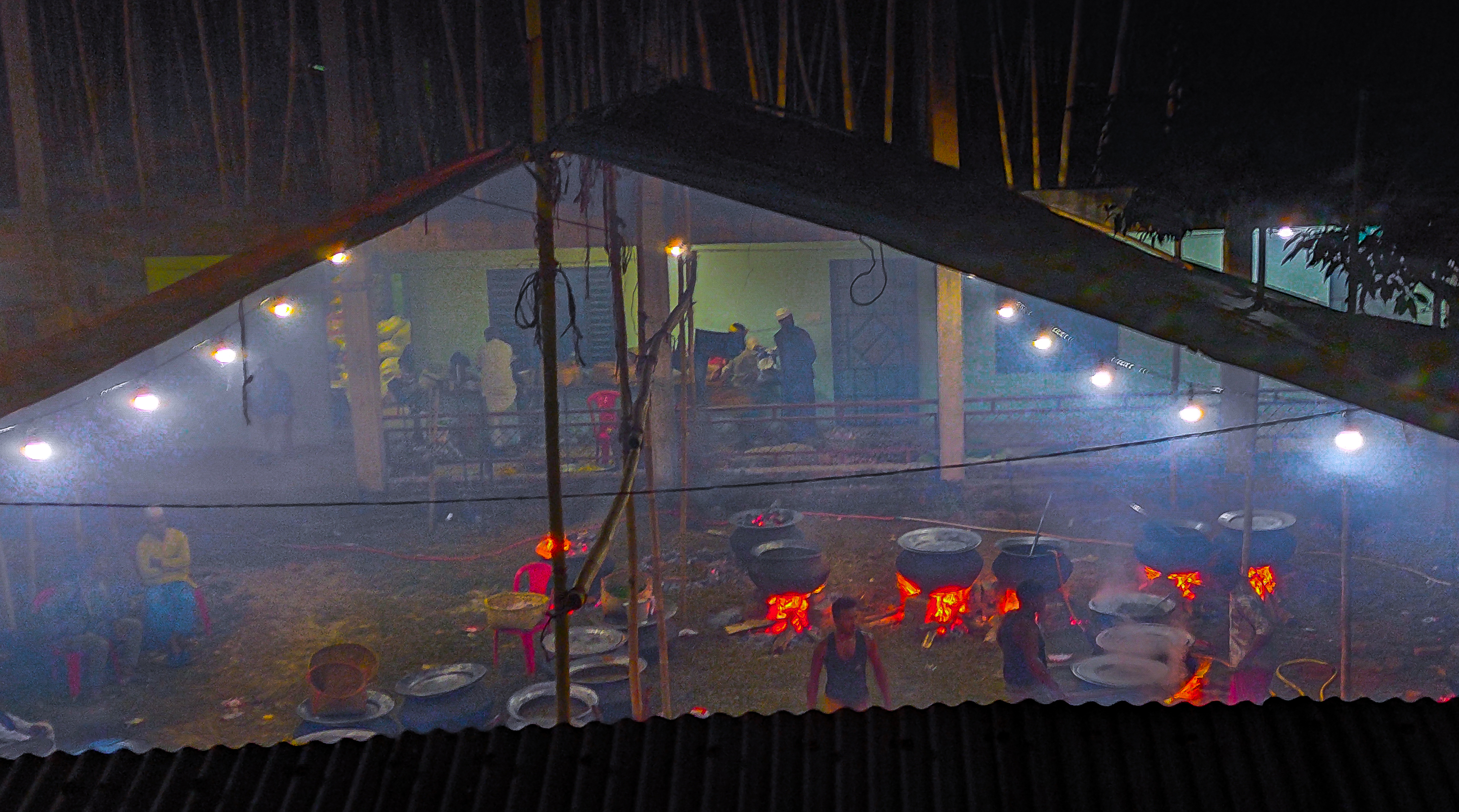
The Mezban (Chittagonian: ) () is the region's signature communal feast. Mezban in Chittagong and Cox's Bazar is locally known as Mezzan. The feast symbolises unity and hospitality and is held on many social occasions. Traditionally hosted by a respected host to honor a deceased person, in marriage or celebrate a family event, the mezban brings together hundreds of neighbours and relatives for a shared meal. As one Chittagonian writer notes, mezban “isn’t simply about the food… it’s about connection… the stories shared, the bonds rekindled, and the sense of belonging”. A typical mezban menu centers on mezbani mangsho, a slow-cooked beef curry accompanied by plain rice which is served to each guest and mild accompaniments like spiced lentils known as dal. The beef curry is prepared in large cauldrons over wood-fire, taking on a deep reddish-black color and intense heat. Guests sit shoulder-to-shoulder on the ground, and the event often lasts late into the evening or night with singing and dancing. Mezban cooking and serving have become a point of regional pride: even Chittagonian diaspora communities abroad have started their own mezban celebrations.
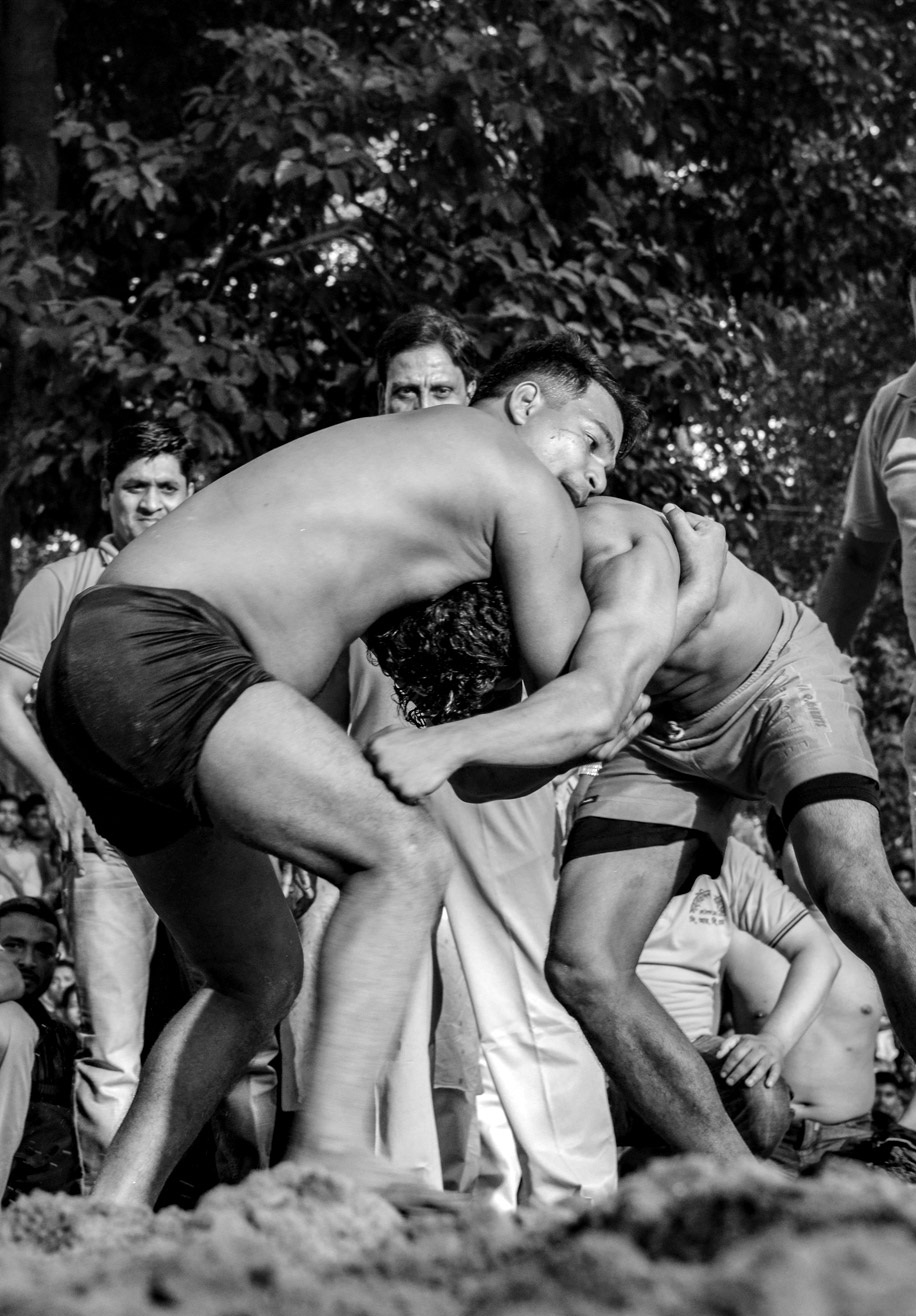
Mokkar Boli Khela is a traditional wrestling event held annually in Madarsha Union, Satkania Upazila, Chittagong district, on the 7th of Boishakh. It has historical roots dating back over a century and is a significant cultural event that highlights local strength and traditional sportsmanship.
Chittagonian people's culture is deeply rooted in the coastal geography of the Greater Chittagong region, where sea-fishing livelihoods, traditional wooden boat-building, net weaving, beach fish auctions and large shutki (dried fish) processing zones shape everyday life and identity. The region's ethnic communities, especially the Rakhine and other coastal and hill castes and groups who now speak Chittagonian as their mother tongue contribute distinct traditions including Buddhist religious festivals such as Buddha Purnima, Kathina robe-offering ceremonies and water festivals, alongside monastery culture, handloom weaving, textile craft, wood carving and bamboo-cane handicrafts especially in the Cox's Bazar district. . Community culture also reflects coastal environmental stewardship, including local participation in sea-turtle nesting protection and hatchery conservation initiatives tied to the Bay shoreline ecosystem.
Most Chittagonian women wear traditional modest dress. In rural areas, women commonly wear the sari or shalwar kameez with a matching scarf or veil. Muslim Chittagonian women also cover their heads with a hijab or orna. Men typically wear the lungi or long kurta (known locally as "Panjabi) with trousers, especially in villages. In towns, modern shirts and pants are widely worn. Traditional clothing styles in Chittagong tend to be fairly conservative and colourful, and designs often incorporate local textile patterns. Many Chittagonians also wear dhoti, though it is less common. Special occasions like weddings see even more vibrant dress, often with jewelry and regional ornamentation.
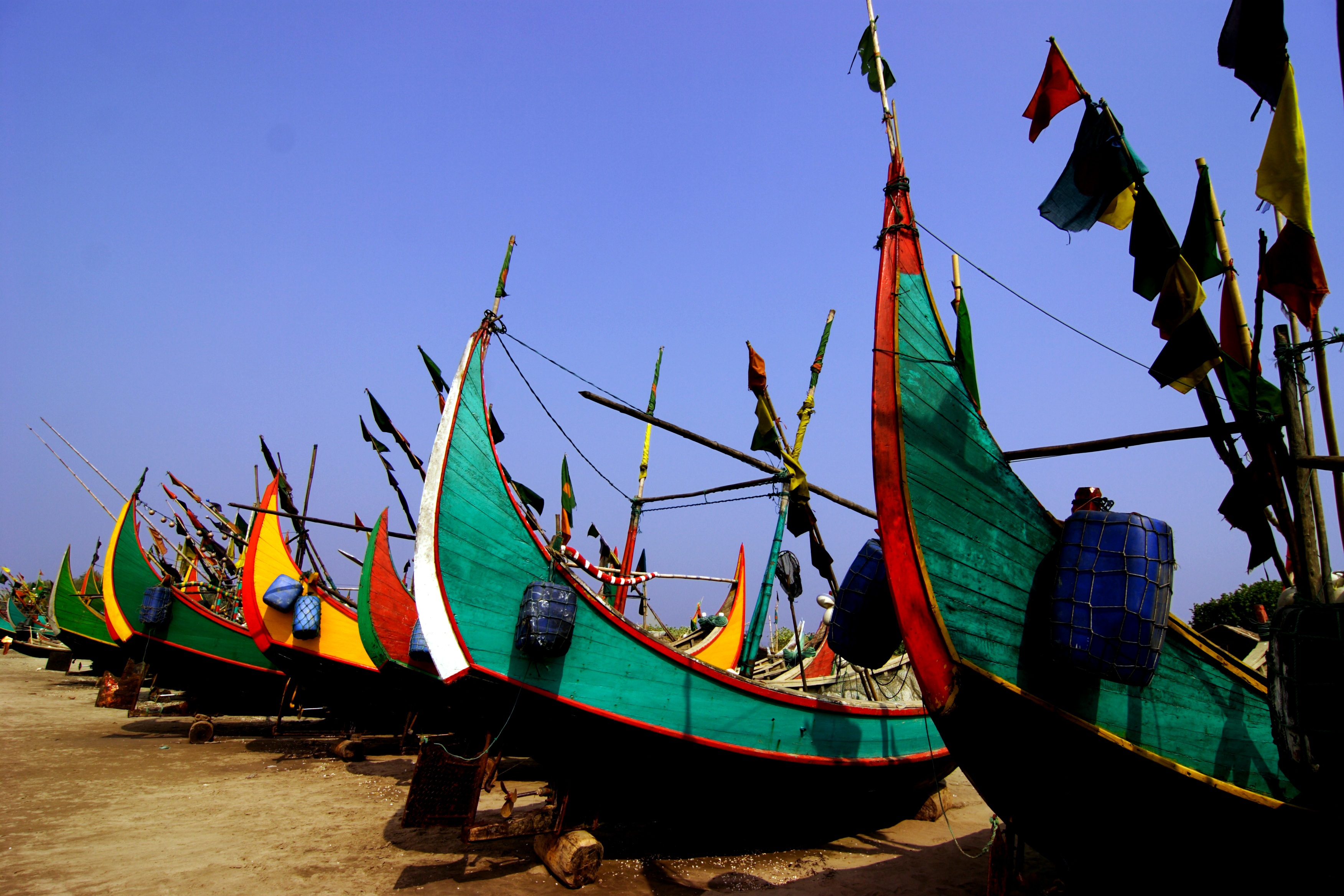
The Dingi Nouka (Chittagonian: ) () is a traditional crescent-shaped fishing vessel used along the Cox's Bazari coastline in southeastern Bangladesh. These boats are constructed from locally sourced timber and feature a curved hull that resembles a half-moon, an adaptation that allows fishermen to navigate shallow sandy surf zones and launch through breaking waves, where typical flat-bottomed boats would struggle. These crescent-shaped boats are a vital part of the maritime culture of Chittagonians, supporting both local livelihoods and traditional fishing practices by enabling fishermen to reach offshore fishing grounds safely. In addition to their practical role, these vessels are celebrated as a cultural heritage symbol, reflecting generations of boat-building knowledge and the community's close relationship with the sea. They continue to be used today, although modern fiberglass and metal boats are increasingly replacing older wooden designs, highlighting the importance of documenting and preserving these traditional maritime techniques for future generations.
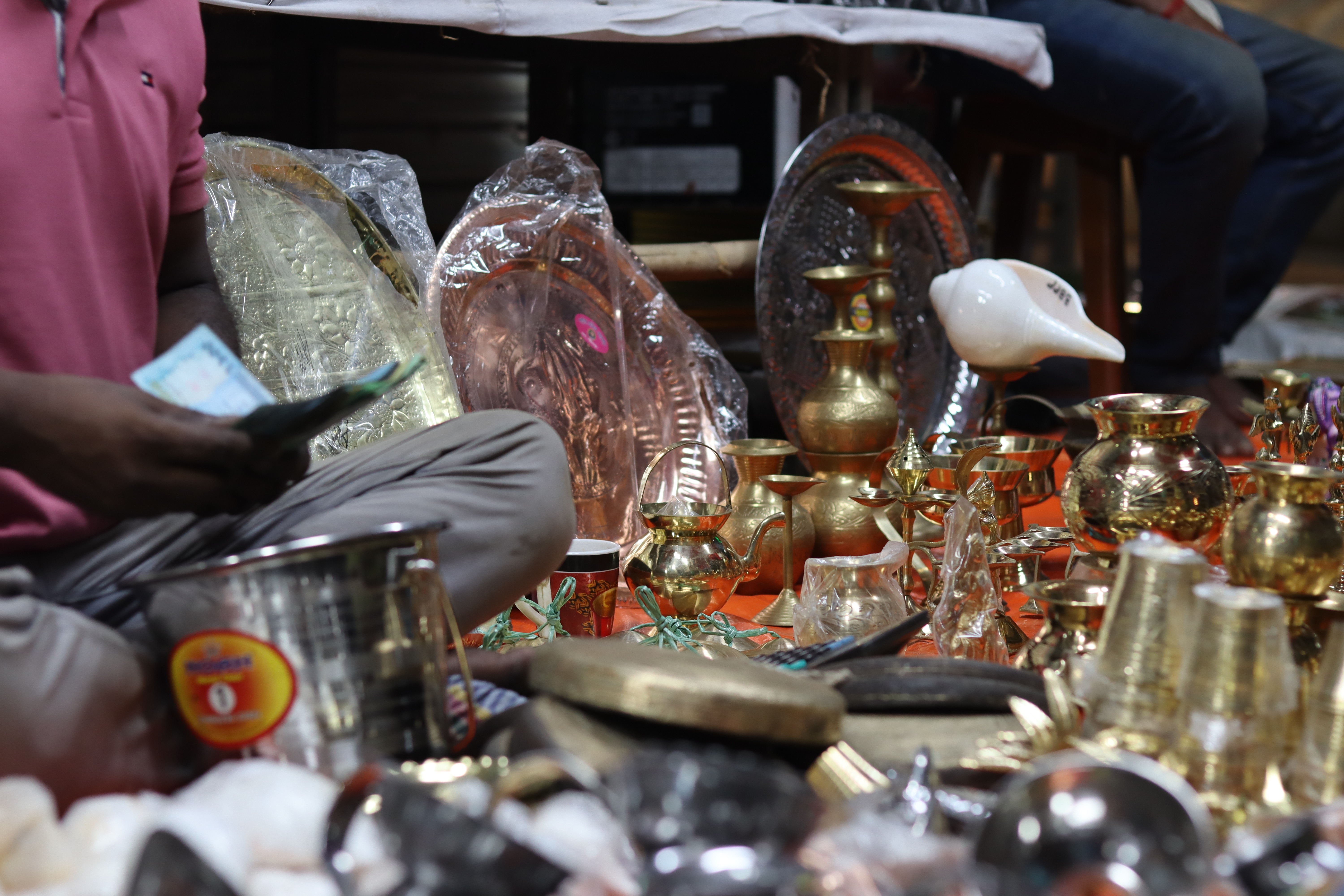
Chittagonian culture in Rangamati, Khagrachhari and Bandarban is shaped by settler town life, mixing with local tribal traditions. Historically, the presence of Chittagonian settler communities, administrative institutions and market settlements across the Chittagong Hill Tracts helped embed these Chittagonian foodways, festivals and social structures into the civic and cultural life of Rangamati, Khagrachhari and Bandarban towns and rural areas.

The Chander Gari (Chittagonian: ) () is an iconic open-air jeep used extensively in the Chittagong Hill Tracts of southeastern Bangladesh, including the districts of Khagrachhari, Rangamati and Bandarban. These vehicles are often refurbished from military-style jeeps and modified locally with open cabins and reinforced suspensions to navigate the steep, narrow and often unpaved roads of the hills. Their rugged design allows them to transport both passengers and goods from remote villages down to market towns, playing a vital role in the everyday mobility of hill communities and Chittagonian settlers. Beyond tourism, these vehicles are crucial for accessing schools, health care facilities and administrative centers, particularly in areas where walking was historically the only option.
Nouka baich is a traditional boat-racing event documented among Chittagonians in Cox's Bazar, Chittagong and Bandarban districts. Inter-village and inter-upazila races are conducted on local rivers such as the Bakkhali and are recognised as part of the district's cultural heritage.
Sampan khela, or sampan racing, is a traditional riverine sport practiced by Chittagonians along the Karnaphuli River. The event is organised as inter-village competitions and cultural festivities.
Chungakhela is a traditional folk game historically played by Chittagonian Muslims. The activity typically involves adult participants throwing firecrackers at opposing team members, creating sparks and loud sounds as part of the play. The game has been associated with local celebratory occasions, is reported to have been observed on the eve of Shab-e-Barat, and traditionally continued from sunset until midnight. Its practice has declined and is now less common.
The Urs festivals in Chittagong and Cox’s Bazar are annual commemorative observances held at the shrines (mazars or dargahs) of Sufi saints in southeastern Bangladesh. The term urs denotes the death anniversary of a Sufi saint and is understood within Sufi tradition as symbolizing spiritual union with God. Among Chittagonian Muslims, these observances form part of established religious practices associated with local Sufi traditions. In the Chittagong region, a notable Urs is observed at the Maizbhandar Darbar Sharif in Fatikchhari, where followers of the Maizbhandari Sufi order gather for multi-day programs. Activities typically include Qur'an recitation, zikr, waz, milad, religious sermons and the distribution of food to attendees. Similar Urs gatherings are held at other shrines across Chittagong (Farhadabad Urs) and Cox's Bazar (Pekua Urs) districts.
The Shiv Chaturdashi Fair is annually observed by Chittagonian Hindus at the Chandranath Temple in Sitakunda, Chittagong during the Bengali month of Phalgun. The observance includes pilgrimage to Chandranath Hill and the establishment of temporary markets at the foothills. Alongside ritual observances, the fair includes locally organised cultural arrangements, traditional food vendors and regional merchandise stalls. It is considered one of the major recurring community gatherings of Chittagonian Hindus in the Chittagong region.
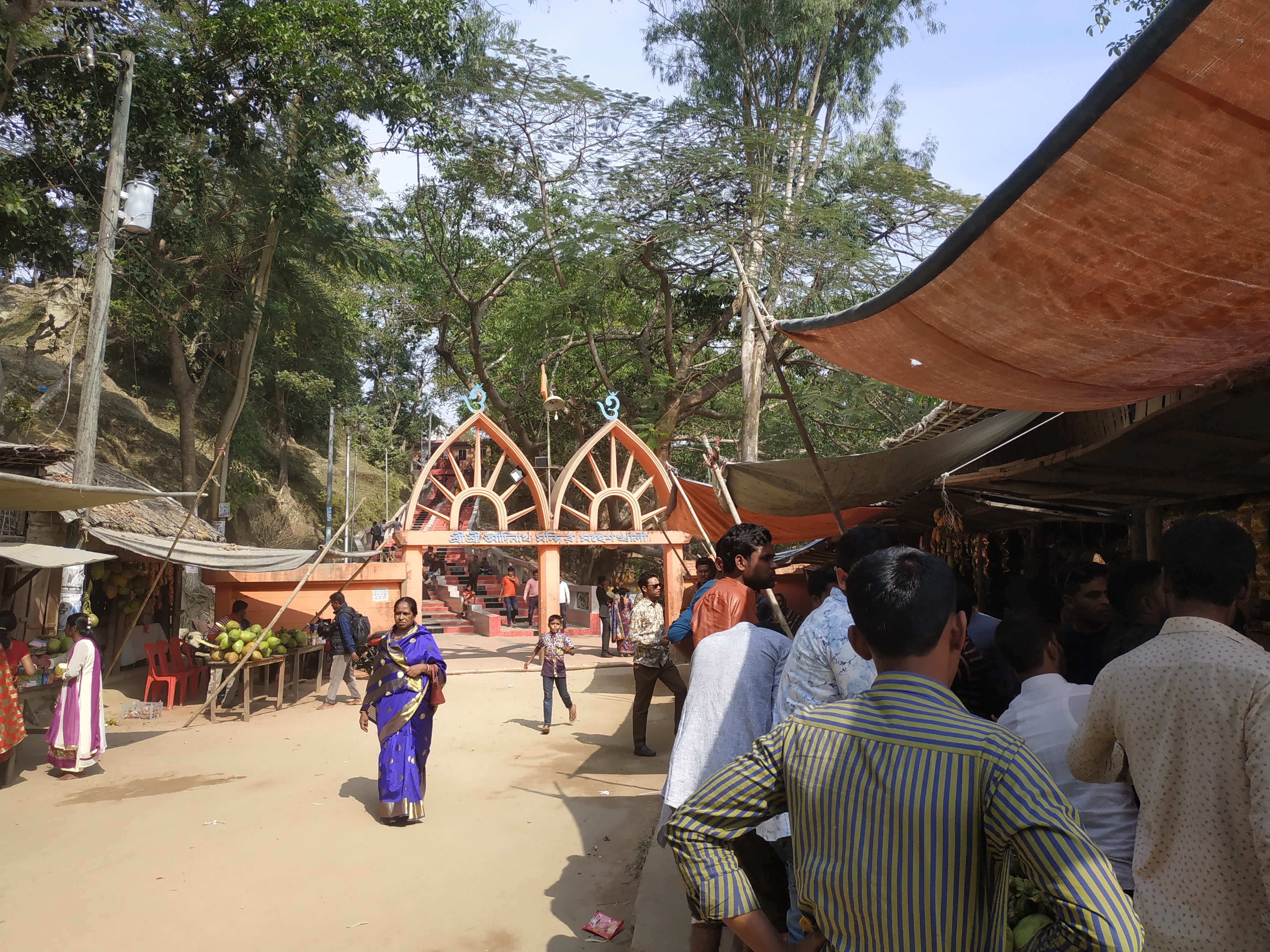
Adinath Fair is an annual gathering observed by Chittagonian Hindus at the Adinath Temple on Moheshkhali Island in Cox's Bazar during the Bengali month of Phalgun. The observance lasts several days and includes pilgrimage to Mainak Hill, ritual offerings, devotional music, and the establishment of temporary fairgrounds. In addition to ritual practices, the event incorporates locally organized stalls featuring regional handicrafts, sweets and household goods. The fair functions as a seasonal congregation and community-based cultural gathering of Chittagonian Hindus in the Chittagong region.
There are Chittagonian Buddhist festivals and cultural events as well. Sadang is a festival celebrated by the Chittagonian Buddhist community in Chittagong, Cox's Bazar and parts of the Chittagong Hill Tracts, marking the end of the three-month rainy-season retreat (Vassa). The festival includes offering alms to monks and communal rituals that combine religious observance with cultural celebration.
Haala‑geet, also transcribed as Hãla or Hõala, are traditional wedding songs performed primarily by women during marriage ceremonies and pre-wedding gatherings. It is performed by Chittagonian Buddhists. The songs often involve improvisation and incorporate themes related to social life and marital preparation.
Cuisine
Chittagong has a rich culinary tradition with a strong emphasis on beef, mutton and spices. The region is mostly known for its Mezbani feasts. Chhonar Daal is often served alongside Mezbani Gosht. It is prepared with lentils and enriched with meat fat or bones.
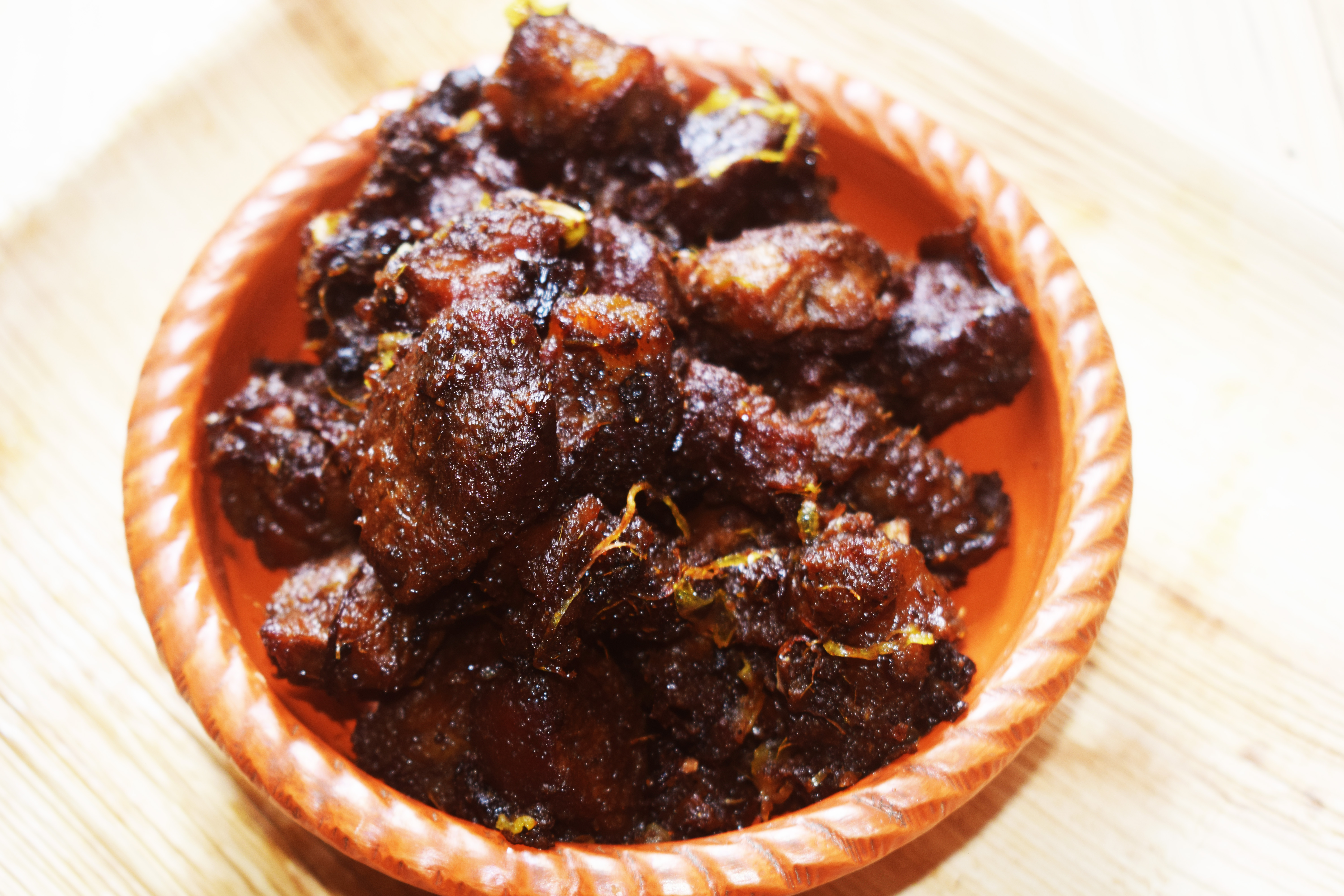
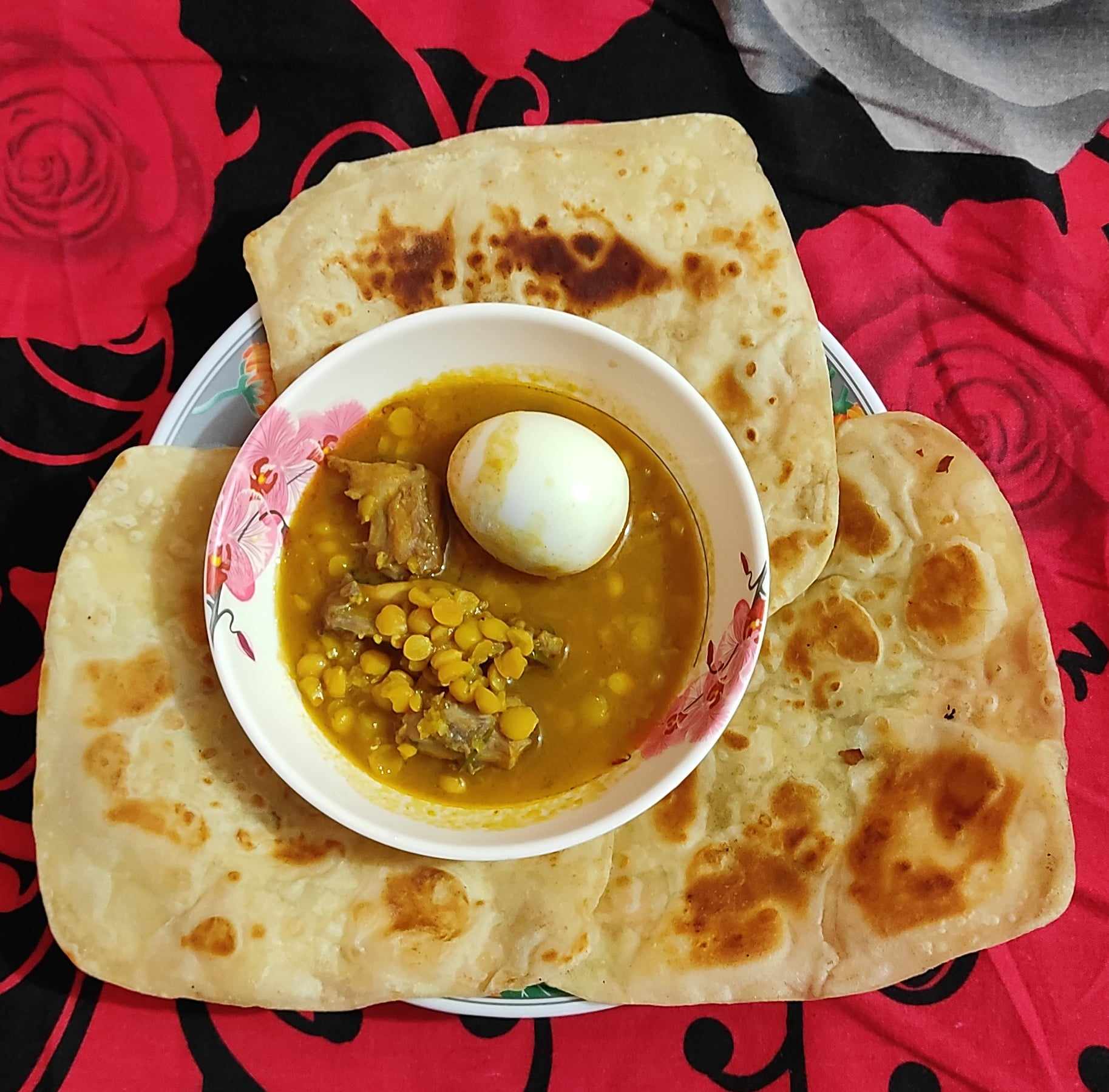
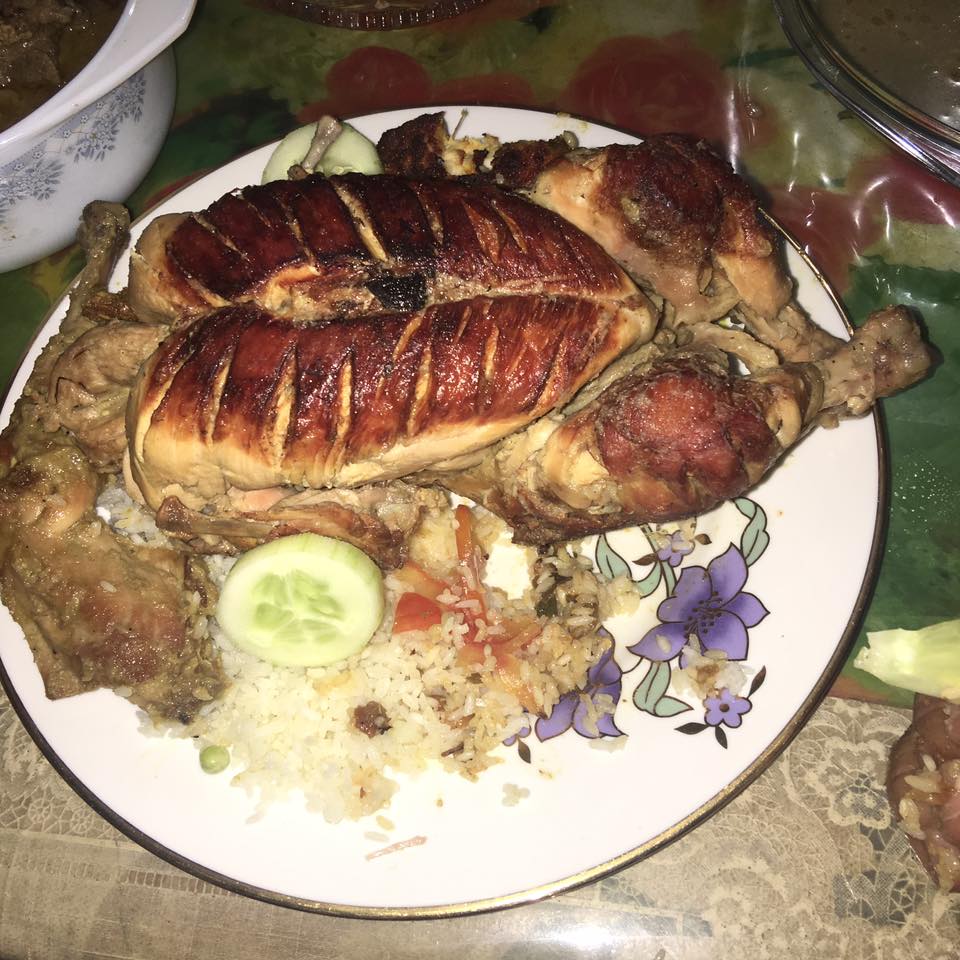
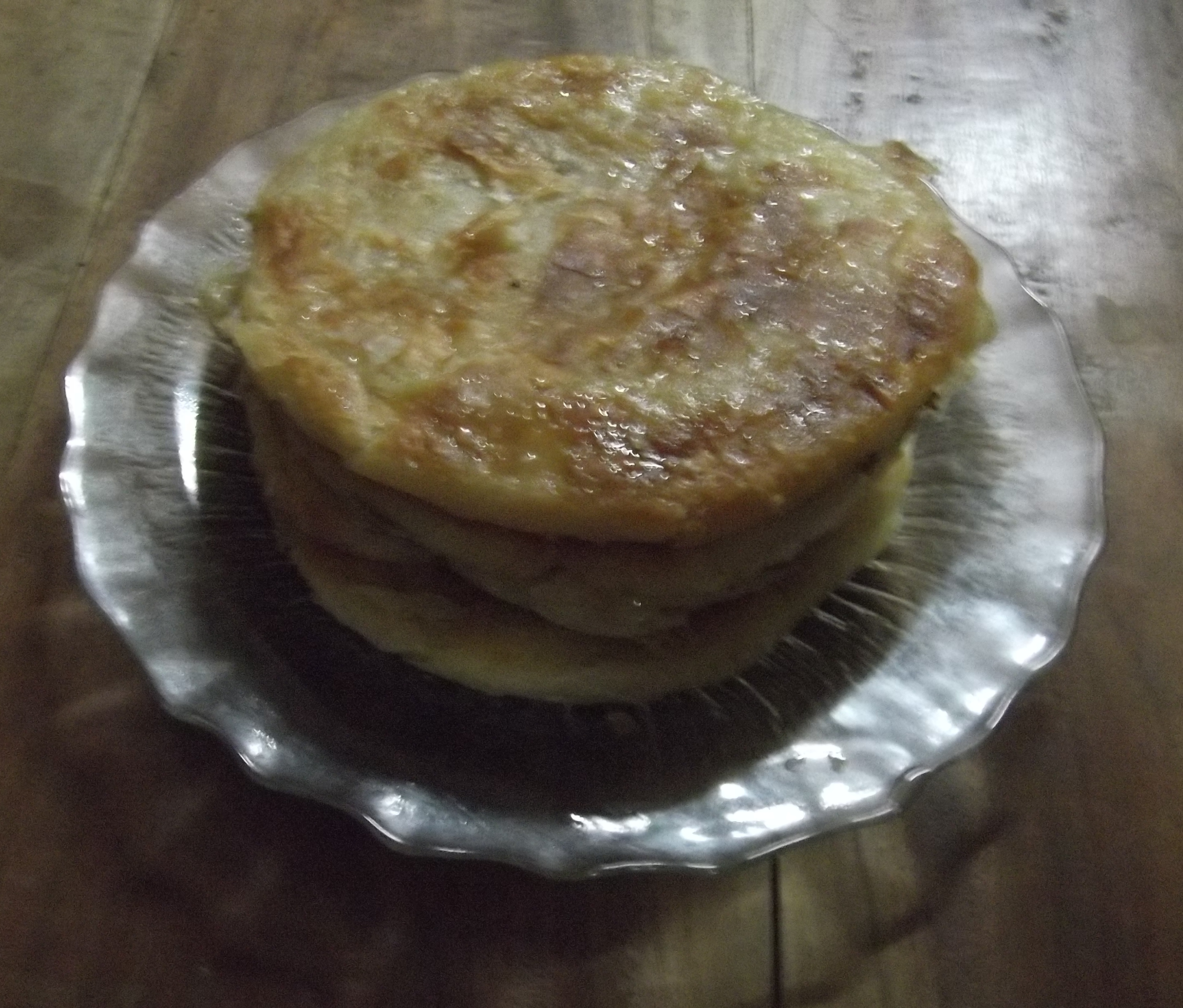
Besides mezbani mangsho or chhonar daal, other famous dishes include kala bhuna (a very dark, spiced beef or mutton curry), domasa, kaloi, nawla kanji, ghuna daal, akhni, bakarkhani, bela biscuit, durus kura, mushurer daal, lebur kazi, modhu bhat, chutki pitha, panta bhat (a fermented rice porridge eaten with sour accompaniments on New Year's Day) and a variety of fish curries from the coasts of Chittagong and Cox's Bazar districts. Kala Bhuna is a traditional dish commonly prepared during Eid al-Adha (Muslims) in Chittagong. It is typically served with rice, paratha, roti or naan. Lebur Kazi is a spicy, watery condiment made from dried red chilies, garlic, mustard oil, salt, and lemon juice. It is used to enhance the flavor of rice and curry dishes. Modhu Vaat, or honey rice, is a sweet rice dish associated with festive occasions. It is prepared with coconut milk, ghee and spices such as cinnamon and cardamom, and sweetened with date palm jaggery or honey. Nuts and raisins are sometimes added as garnish. Chutki Pitha is a type of flour cake traditionally prepared during winter and the rainy season. Small flour cakes made from rice flour are sun-dried before being fried or cooked in sweetened milk. It is flavored with cardamom and bay leaves. Meals are typically hot and spicy by Bangladeshi standards, with liberal use of red chili, cumin, cardamom and local aromatics. Lentils and rice are eaten daily, but Chittagong's special feasts use beef and mutton more heavily than in many other parts of Bangladesh, where fish is often the centerpiece. Sticky rice cakes, sweets made of coconut and khoya, and seasonal fruits are eaten on festive days. Freshwater and marine fish are also popular, though beef, chicken and mutton tends to dominate celebratory menus.
Rural belts such as Ramu and Teknaf preserve bamboo-tube cooking, pickled bamboo shoots and tribal food preparation techniques, reflecting a fusion of hill and coastal lifeways. Social and commercial traditions concentrate in local bazaars and the Burmese Market trading zones where dried seafood, spices, pickles and handmade goods circulate through long-standing coastal trade networks. In the Cox's Bazar district, culinary culture is overwhelmingly seafood-centered unlike Chittagong district, featuring prawn malaikari, grilled lobsters, shrimp fry and shrimp bhorta, barbecued red snapper/pomfret, coconut and jaggery-based sweets, street faluda and tribal specialties such as bamboo chicken and bamboo-shoot curries. The Burmese Market and neighborhood bazaars (Bohorpara/Kolatoli) act as social hubs where pickles, dried fish, handicrafts and cross-coastal trade meet visitors and locals.
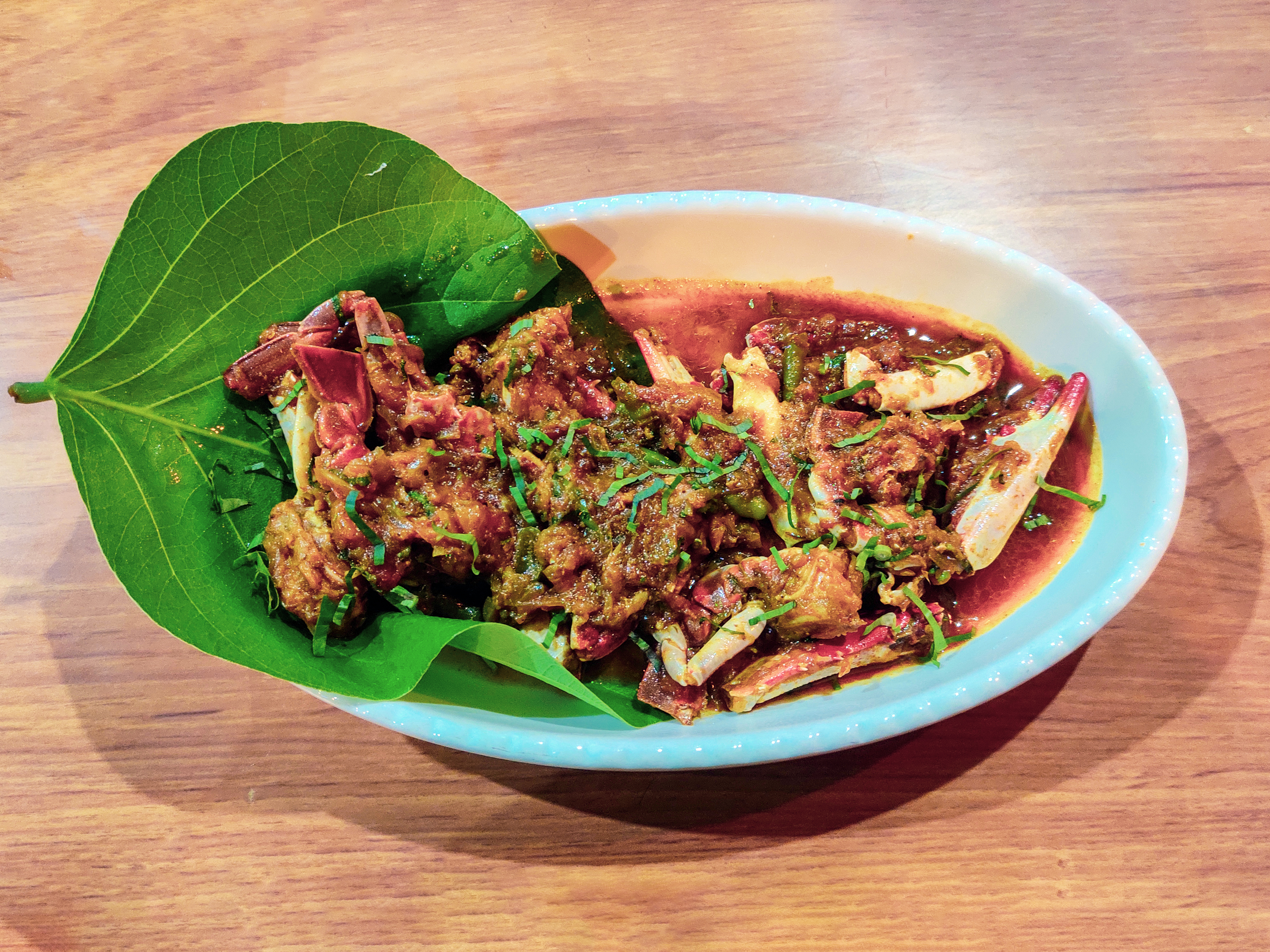
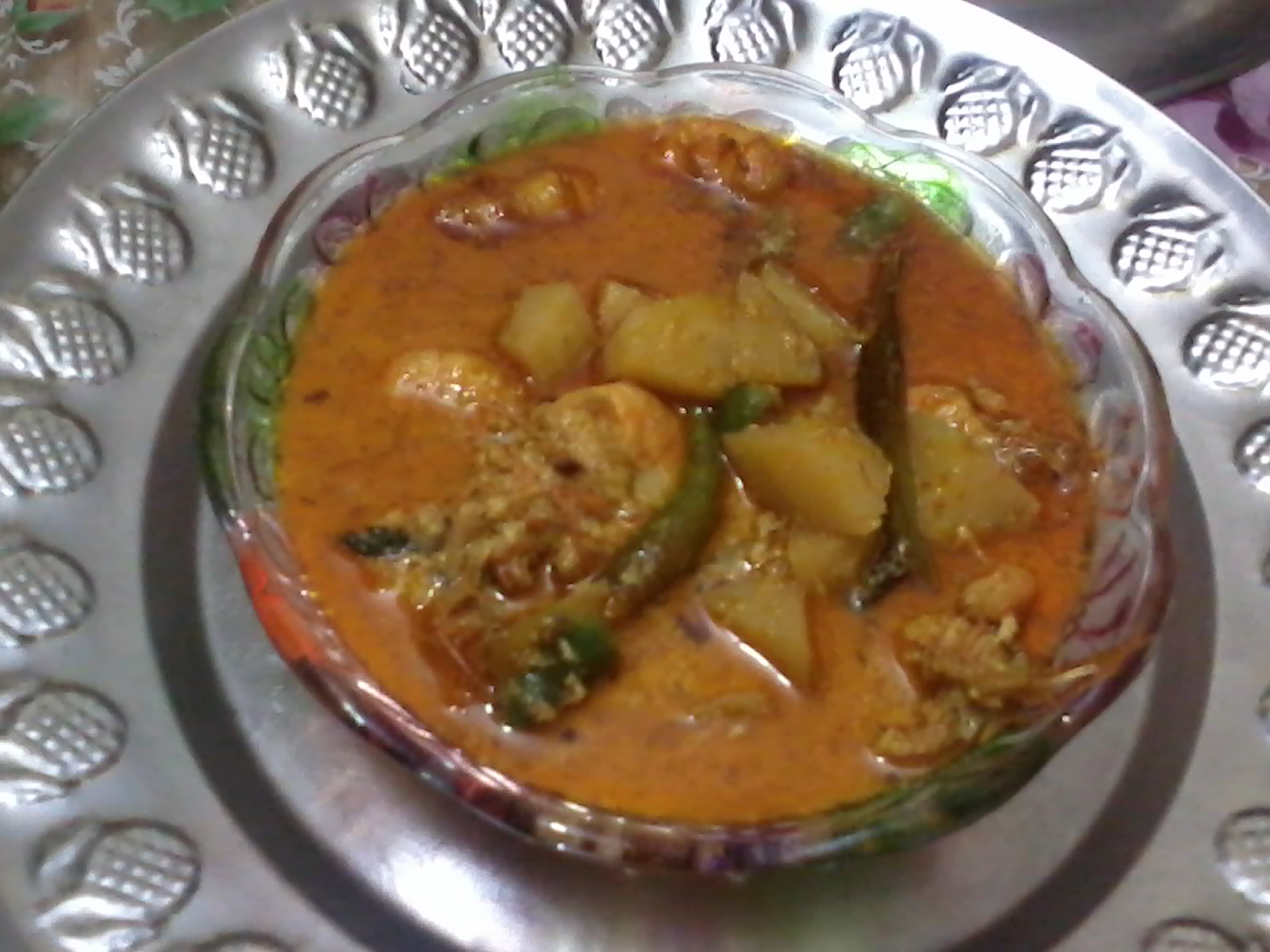
Street and beach food traditions include fried loitta, rupchanda fry, dried churi, koral/bhetki, giant tiger prawns, crab masala, hilsa fry, seafood platters and banana-leaf fish preparations sold along the shoreline markets and stalls. The best authentic experiences are found at beachside stalls and small restaurants near Kolatoli, Inani, Patenga, Banshkhali, St.Martin and Laboni.
Winter pitha festivals and household pitha preparation including coconut-jaggery filled rice cakes, steamed pitha and fried varieties form an important seasonal culinary tradition among Chittagonians in the Chittagong Hill Tracts, often sold in town bazaars and festival grounds. Freshwater fish curries and fries sourced from lakes and rivers, mustard-based gravies, bhorta preparations, dried-fish dishes in smaller scale and puja (for Hindus) bhog vegetarian spreads during religious festivals, market food culture includes sweets, molasses desserts and fair snacks brought via trade links with Chattogram.
Social structure and economy
Chittagonian society is largely patriarchal and rural, but with significant urban centers. In the countryside, extended family households and village communities remain important social units, and landowning families (formerly zamindars or local elites) often have local influence. There are still vestiges of caste-based occupations among Hindu Chittagonians, such as traditional fisher or oil-pressing castes, but among Muslims such caste distinctions are mostly dissolved. Literacy and education levels have improved, and many families strive to send children to school in recent decades.
Economically, Chittagong has long been one of Bangladesh's most important regions. The Port of Chittagong is the country's busiest sea port, has driven much of the local economy since colonial times. Port-related industries (shipping, warehousing, shipbreaking, logistics) and trade have drawn Chittagonians into commerce and seafaring occupations. Historically, many Chittagonian men earned a living as sailors or overseas traders. In the late 19th and early 20th centuries, Chittagonians emigrated in large numbers to work in the ports of British India and Burma (Myanmar). Those who returned often brought back capital, entrepreneurial skills, and international connections that spurred local business in Chittagong City. For example, by the 1950s local entrepreneurs had established thriving timber, rice trading, and textile businesses. In modern times the economy is diverse, fishing, rice and spice farming and cottage industries are common in the rural hinterland, while the city has banks, garment factories, and technology services. Many Chittagonians are noted as enterprising and willing to migrate for work, which has fueled both internal development and overseas remittances.
Arts and oral traditions
Chittagonians have contributed to Bengali literature and culture, especially in folk traditions. Renowned local folk poets of the early 20th century, such as Ramesh Shill, Askar Ali Pandit and Abdul Gafur Hali composed thousands of folk songs in the Chittagonian language that address social themes, morality and historical events. These songs (a form of pala gaan or sundar kand) are still sung at village nights and ekushey gatherings. Storytelling and proverbs in the Chittagonian language also transmit moral lessons and histories. In the 20th century Chittagonian artists participated in the national Bengali cultural revival, including the Language Movement and independence struggle. While much of modern Bangla popular culture is centered in Dhaka or Kolkata, Chittagong has produced some notable writers, musicians and intellectuals in recent decades who write in standard Bengali. The celebrated national film music composer Alauddin Ali was born in Chittagong.
Literature
Chittagonian literature refers to both the oral and written expressions associated with the Chittagonian language variety spoken in the Chattogram region of Bangladesh, which differs phonologically and lexically from Standard Bengali. Linguistic studies indicate that Chittagonian has a rich oral tradition of folk songs, rhymes, proverbs, and narrative storytelling embedded in local cultural life, reflecting social customs, historical memory, and regional identity. Although fully formalised books of poetry or prose solely in Chittagonian are uncommon in mainstream publishing, the language appears in locally circulated poetic texts, community collections and folk song compilations, which have been documented by scholars studying Chattogram's cultural expressions. Examples of Chittagonian-language poetry exist in online literary compilations. Furthermore, traditional folk tales, ballads and narrative songs passed down orally often serve as de facto stories in Chittagonian, and some of these have been transcribed or described in academic and literary studies focused on regional linguistic and cultural practices, contributing to the language's literary presence even where formal book publication is limited.
Notable figures
Chittagonian society has produced several notable figures in Bangladesh's history. Among them is Surya Sen, commonly known as "Masterda", a schoolteacher who led the 1930 Chittagong Armoury Raid against British colonial rule. Sen and his fellow revolutionaries, including leaders such as Pritilata Waddedar and Kalpana Datta, are recognized for their roles in Bengal's anti-colonial movement.
Administrative officials
- M. Abdul Latif, Member of Parliament for Chittagong-11.
- Abdul Wadud Bhuiyan, politician; born Ramgarh, Khagrachhari Hill District.
Economics and development
- Muhammad Yunus, Nobel Peace Prize laureate and founder of Grameen Bank; born Bathua, Hathazari, Chittagong.
Entertainment
- Ayub Bachchu, rock musician and founder of LRB; born Patiya, Chittagong.
- Abdul Gafur Hali, Maizbhandari folk lyricist and composer; born Rashidabad, Patiya, Chittagong.
- Meher Afroz Shaon, actress and playback singer; born Chittagong.
- Qayyum Chowdhury, painter and graphic artist; born Feni.
- Enamul Haque, actor and academic; born Feni.
- Alamgir Kabir, filmmaker; born Rangamati.
Freedom fighters
- Surya Sen, revolutionary leader of the Chittagong Armoury Raid; born Raozan, Chittagong.
- Pritilata Waddedar, revolutionary nationalist martyr; born Patiya, Chittagong.
- Kalpana Dutta, revolutionary activist associated with the Chittagong uprising.
Spiritual and religious leaders
- Most Rev. Moses M. Costa, C.S.C., bishop of Chattogram (Archdiocese of Chittagong) 2017–2020.
- Hazrat Shah Sufi Syed Ahmed Ullah Maizbhandari, founder of the Maizbhandari Sufi order centred at Maizbhandar (Fatikchhari, Chittagong).
- Shahanshah Syed Ziaul Huq Maizbhandari, prominent Maizbhandari spiritual leader of the 20th century.
- Gyanashree Mahathero (1925-2025) Chittagonian Buddhist monk.
- Venerable Kripasaran Mahasthavir (Kripasharan; 1865–1927), reformist Buddhist monk and pioneer of the Buddhist revival movement in Bengal; born in Unainpura, Patiya (Chittagong district).
- Chinmoy Krishna Das (Brahmachari), Hindu monk and public religious figure active in Chittagong.
Literature and intellectuals
- Mohammad Nurul Huda, poet and essayist; born Cox’s Bazar.
- Salimullah Khan, writer and public intellectual; born Maheshkhali, Cox’s Bazar.
- Sinha Md Rashed Khan, writer and activist; born Rangamati.
Sports
- Tamim Iqbal, international cricketer; born Chittagong.
- Mominul Haque, international cricketer; born Cox’s Bazar.
- Nafees Iqbal, former international cricketer; born Chittagong.
- Akram Khan, former Bangladesh captain; born Chittagong.
Diaspora
Like much of Bangladesh, the Chittagonian community has a significant overseas diaspora. Large numbers of Chittagonians have migrated abroad for work, especially since the 1980s. According to IOM data, Bangladesh overall was the world's 6th-largest source of international migrants as of 2020, with about 7.4 million Bangladeshis living abroad. A majority of these migrants (over 70%) work in the Gulf countries (Saudi Arabia, UAE, Oman, Qatar, etc). Chittagonians are well represented in these Middle Eastern expatriate communities, as well as among British Bangladeshis and Bangladeshi Americans. In Europe, many emigrant organizations note that most UK Bangladeshis trace their roots to Sylhet, but there are also substantial Chittagong-origin groups (often called "Chittagongian Associations"). In North America and Australia, smaller Chittagonian communities exist, and they maintain cultural associations. For example, the Tasmanian Bangladeshi community in Australia organized the state’s first mezban feast in 2021, celebrating Chittagonian tradition abroad. Globally, Chittagonian migrants contribute to remittances back home and to the multicultural societies where they settle, often preserving language and food traditions among their families.
See also
- Barua people
- Bengalis
- Chittagong District
- Chittagong Division
- Chittagong Hill Tracts
- Chittagonian language
- Cox's Bazar District
- Greater Chittagong
- Mezban
- Rohingya people
External links
- Mezban: A perfect blend of taste and tradition (The Financial Express)
- Boli Khela: traditional wrestling festival of Chattogram (The Daily Star)
- Mezban Festival: A unique culture of Chattogram (Daily Sun)
- Shutki makers struggle (The Daily Star)
- Chattogram's traditional food culture and heritage (The Daily Star)
- Maizbhandari Urs begins (The Daily Star)
- Chittagonian language (Ethnologue)
- Cox's Bazar fishers battle to survive (New Age Bangladesh)
- Boat makers keeping tradition alive (The Daily Star)
- Chittagonian Variety: Dialect, Language, or Semi-Language (ResearchGate)