
British Protectorate of Brunei
From 1888 to 1984, Brunei was under British protected state through the Protectorate Agreement and 1906 Agreement which led the establishment of the British Residency in Brunei. During this period, Brunei remained a Malay Islamic Monarchy under the rule of the Sultan, while its external affairs and, for a time, internal administration were influenced by the British Empire.
History
The term Brunei Protectorate or British Protectorate of Brunei was used to describe a British protected state that encompassed what is modern-day Brunei. The 1905–1906 Supplementary Treaty established a British Resident whose counsel was obligatory on the Sultan in all domains, save Islamic ones. The Resident became the most powerful person in the Sultanate as a result of this system, which essentially gave him substantial administrative authority equivalent to that of a Chief Justice and Menteri Besar combined. The Resident appointed four district officers who answered directly to him, supervising all aspects of administration. He also had the power to appoint traditional authorities such as penghulu and ketua kampong.
Treaty of Protection and decline
Significant changes in Brunei's history occurred as a result of Britain's efforts to increase its influence in the area in the late 19th century in reaction to geopolitical worries about the German Empire and the United States. A significant turning point for Brunei was reached when Sultan Hashim Jalilul Alam Aqamaddin and the British government, represented by Hugh Low, signed the Protectorate Agreement on 17 September 1888, with the intention of obtaining security assurances from Lord Salisbury. Due to this treaty, Brunei's foreign affairs were essentially handed over to Britain, preventing the Sultan from holding direct talks with North Borneo and Sarawak, two nearby states.
However, only two years later, in March 1890, Charles Brooke's annexation of Limbang exposed the treaty's shortcomings and significantly weakened Brunei's sovereignty. Although Brunei was meant to be protected, the Treaty of Protection allowed the British to prioritise their geopolitical interests, resulting in more territorial expansions and internal challenges for Brunei. Sultan Hashim's disappointment with British support peaked in 1902 when he sent a heartfelt letter to King Edward VII, lamenting the lack of assistance his country had received since signing the treaty and the mounting difficulties it faced.
In early 1901, the resurgence of violence in Tutong forced the British Foreign Office to reassess its stance on Brunei. Sultan Hashim's leadership was criticised by many British officials, and sentiment in the region began to shift toward Sarawak's government, which was perceived as offering more equitable taxes and better administration of Brunei's shrinking territory. Concerns raised by Chinese traders about governance further portrayed Brunei as economically fragile and unstable. Despite these challenges, Sultan Hashim remained committed to preserving Brunei's independence, even as financial strains worsened.
In 1901, Sultan Hashim's financial situation deteriorated, leading him to borrow $10,000 from Brooke for household expenses. Amidst these difficulties, he arranged a lavish royal wedding for his grandson to strengthen political ties. However, concerned for the future of his dynasty, the Sultan firmly rejected Brooke and Hewett's proposal to cede the Belait and Tutong districts. As his dissatisfaction with British administration grew, Sultan Hashim expressed his willingness in 1903 to transfer Brunei to the Ottoman Empire due to what he saw as the oppression of Islam and the loss of territory. Efforts to transfer Brunei to Sarawak ultimately failed after a smallpox epidemic in 1904 claimed the lives of the newlywed couple.
McArthur's report and impact
The Report On Brunei produced by Malcolm McArthur after his 1904 expedition to Brunei was crucial in changing British perspectives toward the sultanate. Unlike previous assessments, McArthur's report offered a more balanced view, recognising Sultan Hashim's dignity and the challenges he faced. It highlighted the Sultan's feelings of abandonment and despair, providing a deeper understanding of his situation. McArthur's findings played a key role in shaping future interactions and governance in Brunei.
Sultan Hashim agreed to McArthur's proposal to establish a British Residency system in Brunei. The Sultan and his Wazirs signed the 1905–1906 Supplementary Treaty, which was formalised in early 1906 during Sir John Anderson's visit. Anderson praised McArthur for his reliable leadership, emphasizing its importance for Brunei's future. Sultan Hashim expressed his relief, thanking Anderson for his assurances regarding Brunei's Islamic status, reflecting the Sultan's efforts to protect Brunei through diplomatic agreements.
The Wazirs saw a decrease in their importance during British administration, primarily due to land reforms that impacted their means of survival and customary authority. After 1906, Sultan Hashim's standing as the head of state became more symbolic, while actual authority shifted significantly. The establishment of the British Residency marked a new era, where the British Resident took on the role of governance. Sultan Hashim faced ongoing challenges that resulted in the loss of important regions and severe poverty, affecting both the palace and the general public.
Symbolic authority and Japanese occupation
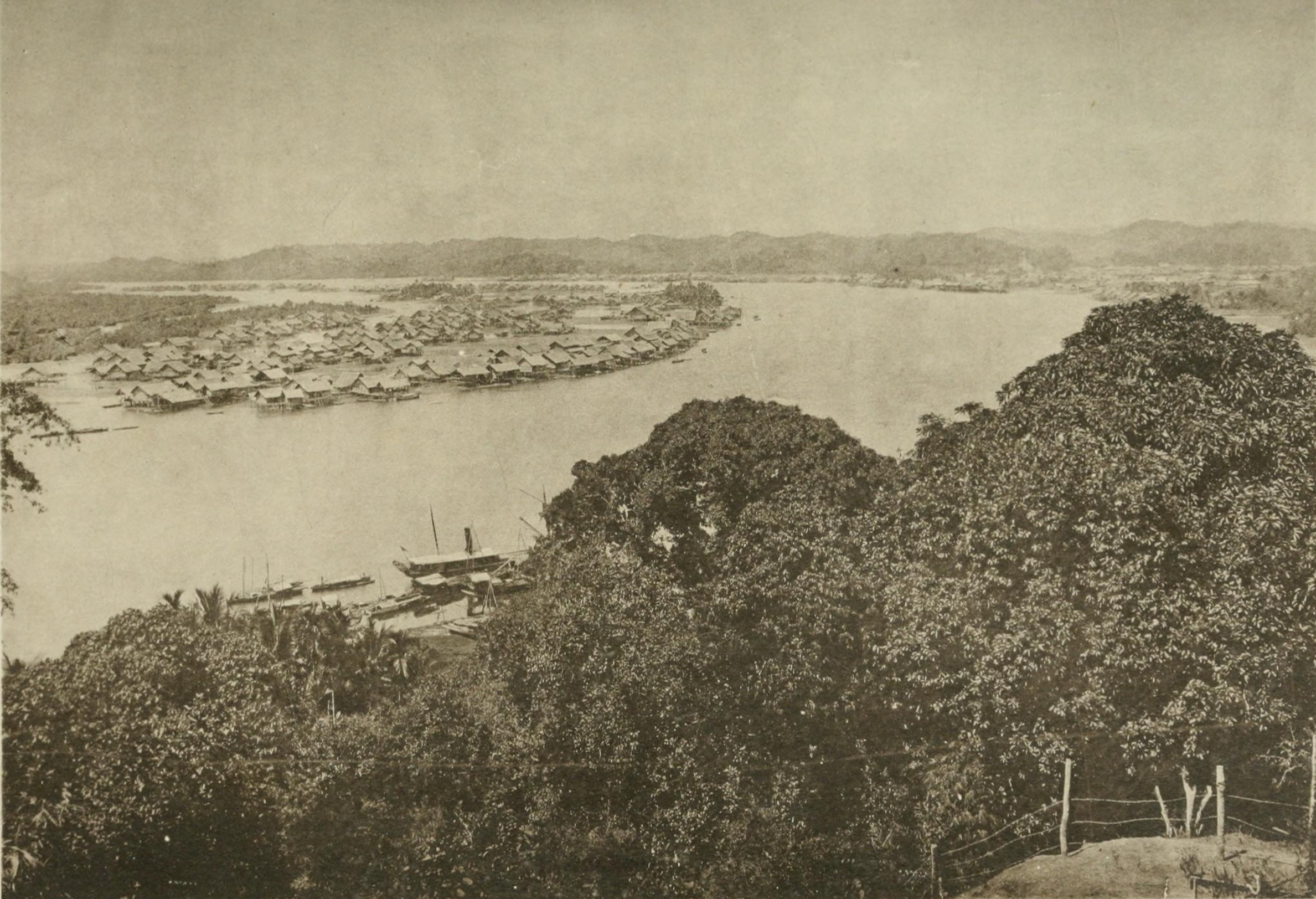
Except in questions of religion and custom, Sultan Muhammad Jamalul Alam II's executive powers were passed to the British Resident with the implementation of the British Residency system. Under his rule, he promoted the immigration of Chinese for their economic talents and oversaw the adoption of syariah law in Brunei, with the 1913 Marriage and Divorce Act and the 1912 Mohammedan Laws Enactment, which superseded the Kanun Brunei.
During his reign, Brunei participated in the Malay and Borneo Cultural Festival in 1922, when he became the first Sultan to visit Singapore, escorted by traditional musicians. Additionally, in 1909, he became the first Sultan to have his palace moved from Kampong Ayer to solid land. The first crude oil find in Brunei was discovered in the same year, although significant oil strikes did not occur until 1927. The Sultan also welcomed the Prince of Wales on 18 May 1922, showcasing the Sultanate's regal traditions.
After his father's death, Sultan Ahmad Tajuddin assumed the throne and was marked by a more cautious attitude than his predecessor. He often relied on international consultants, such as Gerard MacBryan, over local leaders, which was indicative of his ongoing reliance on outside influence. To show his dissatisfaction with Brunei's structure, between 1931 and 1950 he often skipped State Council sessions. He selected a competent personal assistant to help him navigate governance. Even though he became the first Sultan to attain complete sovereignty in 1931 at the age of 18, he later went to England to improve his language skills.
Despite worries over the distribution of income from oil exports, Sultan Ahmad Tajuddin worked to strengthen financial rules for Brunei's residents. He was well known for his hospitality to visitors, particularly high-ranking officials. He attempted to build links throughout his rule, including a notable effort to wed the daughter of the Sultan of Selangor, which strengthened the bonds between the two royal houses. However, by the late 1930s, his relationship with the British worsened, reflecting greater issues in Brunei's political environment and governance under colonial rule. In order to foster local governance, Sultan Ahmad Tajuddin pushed for the recruitment of 25 Bruneians to higher posts in the Brunei Administrative Service (BAS). This resulted in their appointment to the government bureaucracy in 1941. In an effort to further Islamic education, he founded a private Arabic school in 1940. It was forced to close in 1942 due to Japanese occupation. The Sultan backed the creation of regional defence units, such as the Brunei Volunteer Force, to help the British repel a Japanese invasion as tensions with Japan increased. But as the occupation progressed, his position became mostly symbolic, with the Japanese provincial governor holding actual authority. In spite of this, he was able to retake several areas that Brunei had previously lost, indicating a long-standing intention to take back control of these regions.

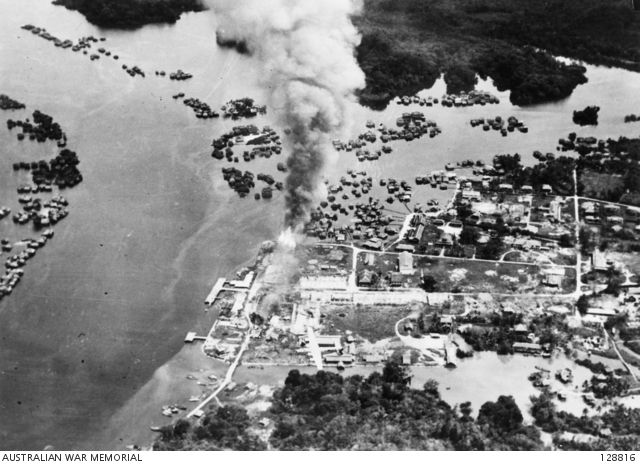
The Sultan had little real influence during the occupation, but his status was preserved so the Japanese could win over the locals. He was given decorations and a salary upon the country's surrender to the Japanese Army during World War II in December 1941, although his main role was that of ceremonial commander. Locals began to oppose the Japanese administration more and more, especially as food shortages became severe. Local authorities concealed the Sultan in order to shield him and his family from the increasing violence. He was greeted as a hero upon his return when Australian forces liberated Brunei in June 1945, but Brunei stayed under military rule until civilian governance was reinstated in July 1946. As the British attempted to establish greater control over the area in the post-war era, the Sultan struggled to reclaim total authority, which resulted in persistent conflicts with the British Military Administration over administrative oversight and governance.
Struggle for Independence
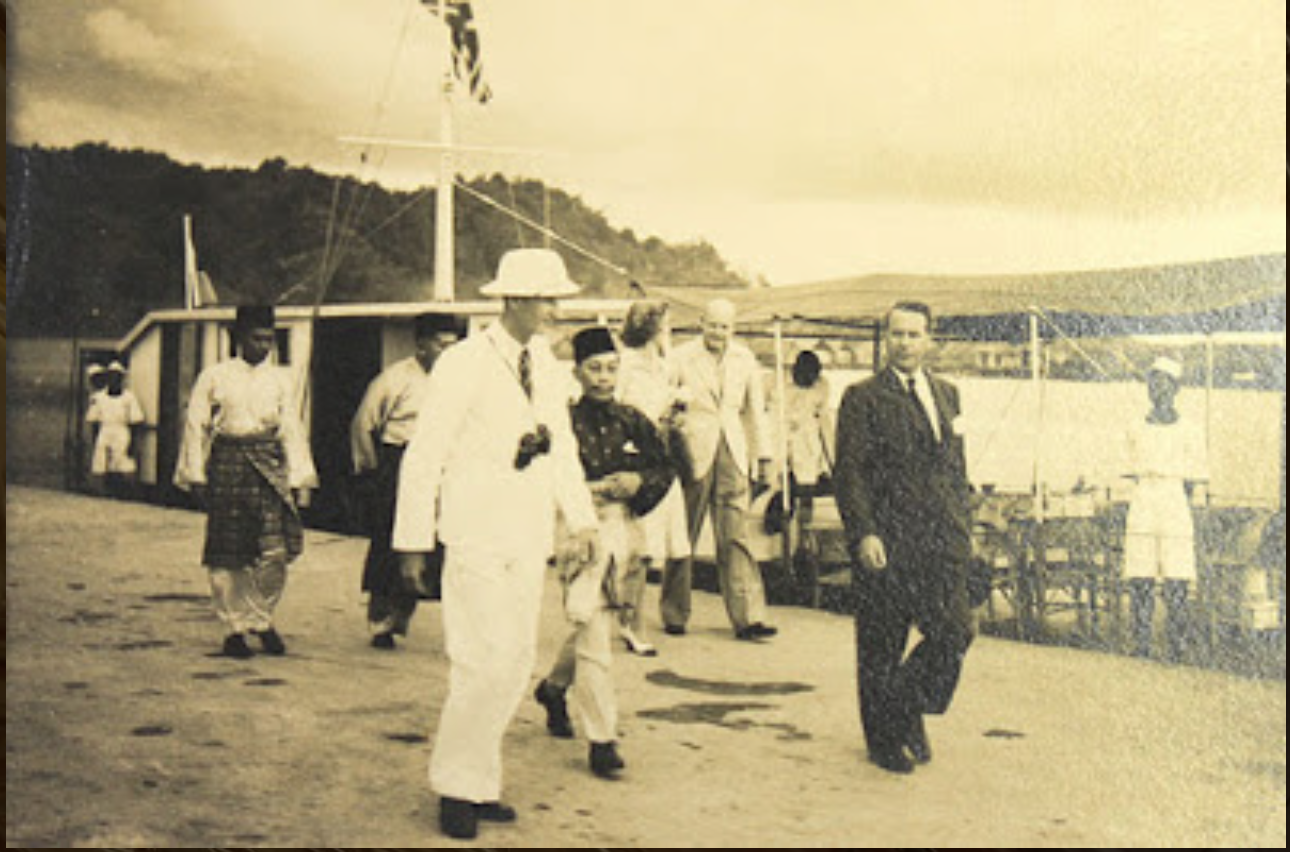
Sultan Ahmad Tajuddin was portrayed by British envoy Malcolm MacDonald in July 1946 as a weak and indulgent king who was driven by excess and a lack of dedication to his royal duties. In Brunei Town, a welcome arch was built during MacDonald's visit, bearing the words "Restorer of Peace and Justice" beneath the Union Jack, emphasising the rights of the Sultan and his subjects. The Sultan was echoing local sentiments, and he ignored British instructions to change the words on the arch, a reflection of his complex relationship with colonial authority.
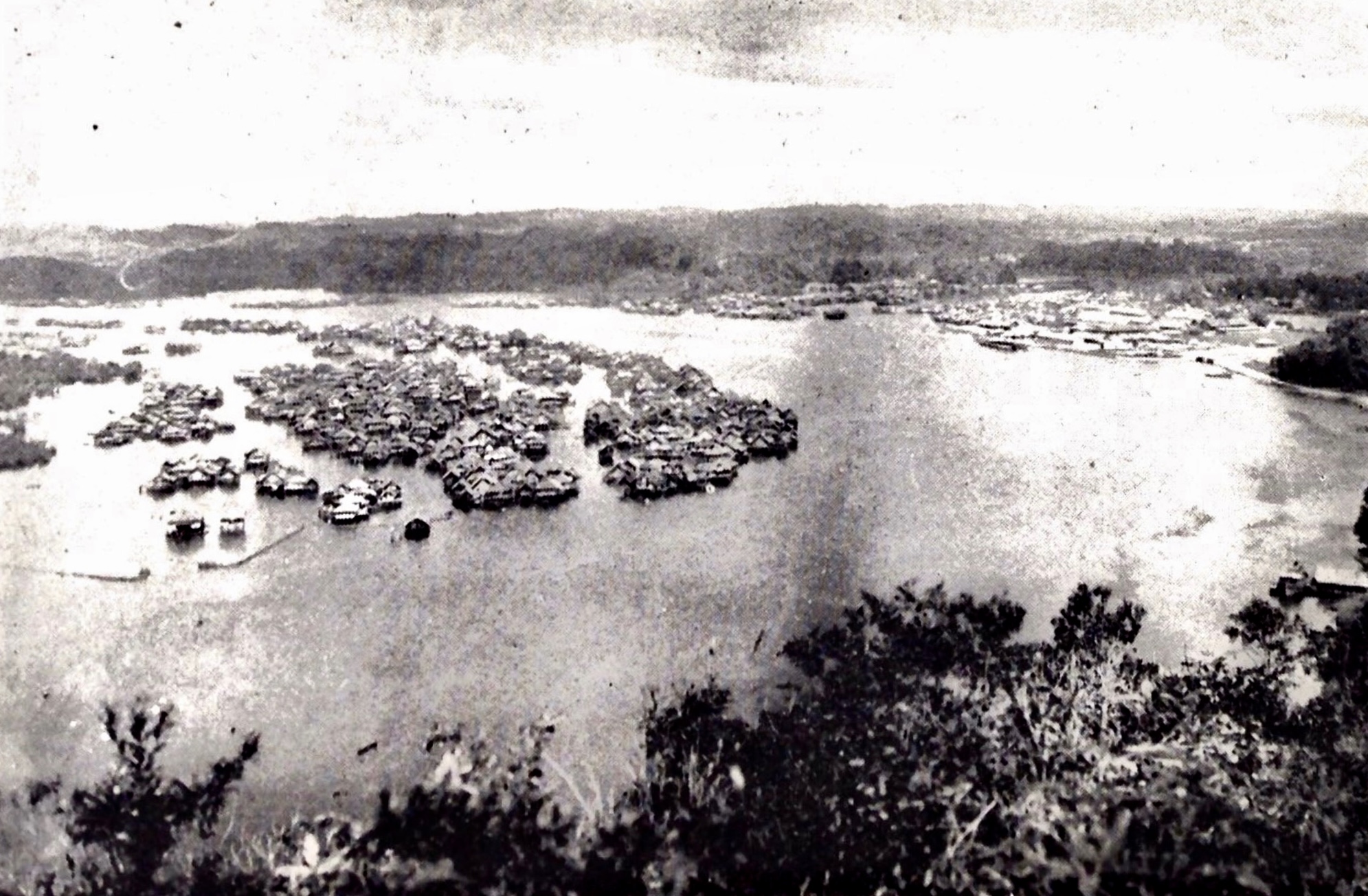
Because MacDonald's proposal to maintain Brunei's independence from Sarawak and North Borneo was supported by the Secretary of State for the Colonies, the Sultan was able to consolidate his control following World War II. The Sultan said that Brunei ought to have profited from any changes in territory, and he was unhappy with the British Crown's handling of Sarawak. As a demonstration of his support for local political movements, Brunei developed its national song, "Allah Peliharakan Sultan", and adopted the Barisan Pemuda's (BARIP) flag. In an effort to improve relations, Resident Eric Pretty was reappointed in August 1948 as tensions between the Sultan and British authorities increased. Pretty recommended that the Sultan write to the Secretary of State, highlighting Brunei's challenges and proposing the building of a new palace in place of the one that had been destroyed during the war.
In 1950, Sultan Ahmad Tajuddin became increasingly political, frustrated by the British government's refusal to rebuild his palace despite higher oil revenues. He sought to renegotiate Brunei's constitutional relationship with the Britain and pushed for increased oil royalties from British Malayan Petroleum. Planning a trip to London with his advisor MacBryan, the Sultan also expressed dissatisfaction with Brunei's oilfield concessions and Sarawak's cession. As Political Secretary, MacBryan advocated for including Muslims from northern Borneo and the southern Philippines in Brunei's post-war administration, a move that raised concerns at the British Colonial Office regarding the potential impact on Brunei's oil output and sovereignty. The Sultan's initiatives aimed to address economic challenges and enhance Brunei's standing in negotiations with Britain.

After ascending to the throne, Sultan Omar Ali Saifuddien III became the leader of the Islamic faith in Brunei, with the primary goal of improving the educational system. In 1950, Brunei began sending students to the Al-Juned Arabic School in Singapore, and by 1963 the first Bruneian graduated from Al-Azhar University in Egypt, marking a significant advancement in regional Islamic education. The Sultan's administration allocated B$10.65 million to education in 1954, which funded the construction of 30 schools and provided free meals for students. To accommodate the growing student population, notable secondary schools, such as Sultan Muhammad Jamalul Alam Secondary School and Sultan Omar Ali Saifuddien College, were built. Additionally, the Department of Religious Affairs was established in 1954 to oversee Brunei's Islamic constitutional matters, leading to the opening of seven religious schools by 1956 and greatly enhancing Islamic education in the country.
Brunei's oil sector grew rapidly beginning in 1950, with the country's first oil platform built in Seria in 1952. A $14 million gas pipeline was installed in 1955, and by 1956 the Seria field was producing 114,700 barrels of oil per day. Since its founding in 1957, the Brunei Shell Petroleum firm has produced a substantial amount of crude oil and natural gasoline, totaling 705,000 tons and 39.5 million tons, respectively. The 1st National Development Plan, initiated in 1953, prioritised public health and infrastructure, with a B$100 million budget allocated for building Muara Port and developing transportation, telecommunication, energy, and water supply. This initiative also significantly reduced the number of malaria cases while improving public health through the provision of clean water and enhanced sanitation. By 1958, B$4 million had been spent on education, and Brunei Airport was renovated in 1954, which greatly increased communication and transit.
In early 1959, Sultan Omar Ali Saifuddien III led a delegation to London to finalise Brunei's Constitution after the Merdeka Talks. Between 23 March and 6 April 1959, negotiations with British officials addressed key constitutional issues, including council meetings, elections, and the role of the Menteri Besar. An agreement was reached on 6 April 1959, leading to the phased implementation of the Constitution. On 29 September 1959, the Sultan signed and proclaimed Brunei's first written Constitution, which ended British control, on the basis of the 1888 and 1905–06 treaties, and restored Brunei's sovereignty over its internal affairs.
Post-independence
Brunei gained its independence from the United Kingdom on 1 January 1984, joining ASEAN in the same year. Economic growth from its extensive petroleum and natural gas fields during the 1990s and 2000s, with its GDP increasing 56% from 1999 to 2008, transformed Brunei into an industrialised country. Brunei has the second-highest Human Development Index among the Southeast Asian nations, after Singapore, and is classified as a "developed country". In 2014, the Sultan instituted an Islamic Sharia penal code.
See also
- Brunei
- History of Brunei
- British North Borneo
References
:Category:Former countries in Southeast Asia :Category:History of Brunei :Category:States and territories established in 1888 :Category:States and territories disestablished in 1984 :Category:1888 establishments in Asia :Category:1984 disestablishments in Asia