
Food groups
Main article: Food groups
* Algae - seaweeds such as nori or gim
* Cereal or grains
* Fruits
* Legumes, , or beans
* Mushrooms, edible mushrooms, portobello
* Nuts
* Seeds
* Vegetables
Meat substitutes
Main article: Meat analogue
* Beans or Legumes
* Imitation meats - popular brands include Gardenburger, Yves Veggie Cuisine, Lightlife, Morningstar Farms, Boca Burger
* Mushrooms, edible mushrooms, portobello mushrooms (grilled or fried)
* Seitan (wheat gluten)
* Tempeh
* Tofu
* Veggie burgers
* Yuba (tofu skin)
* Okara (soy pulp)
* Textured vegetable protein (TVP)
* Chestnuts - roasted and peeled
* Tofurky - Imitation meat
Egg substitutes
For baking
* Applesauce egg replacer: 3 Tablespoons applesauce = 1 egg (when a fruit flavor is acceptable)
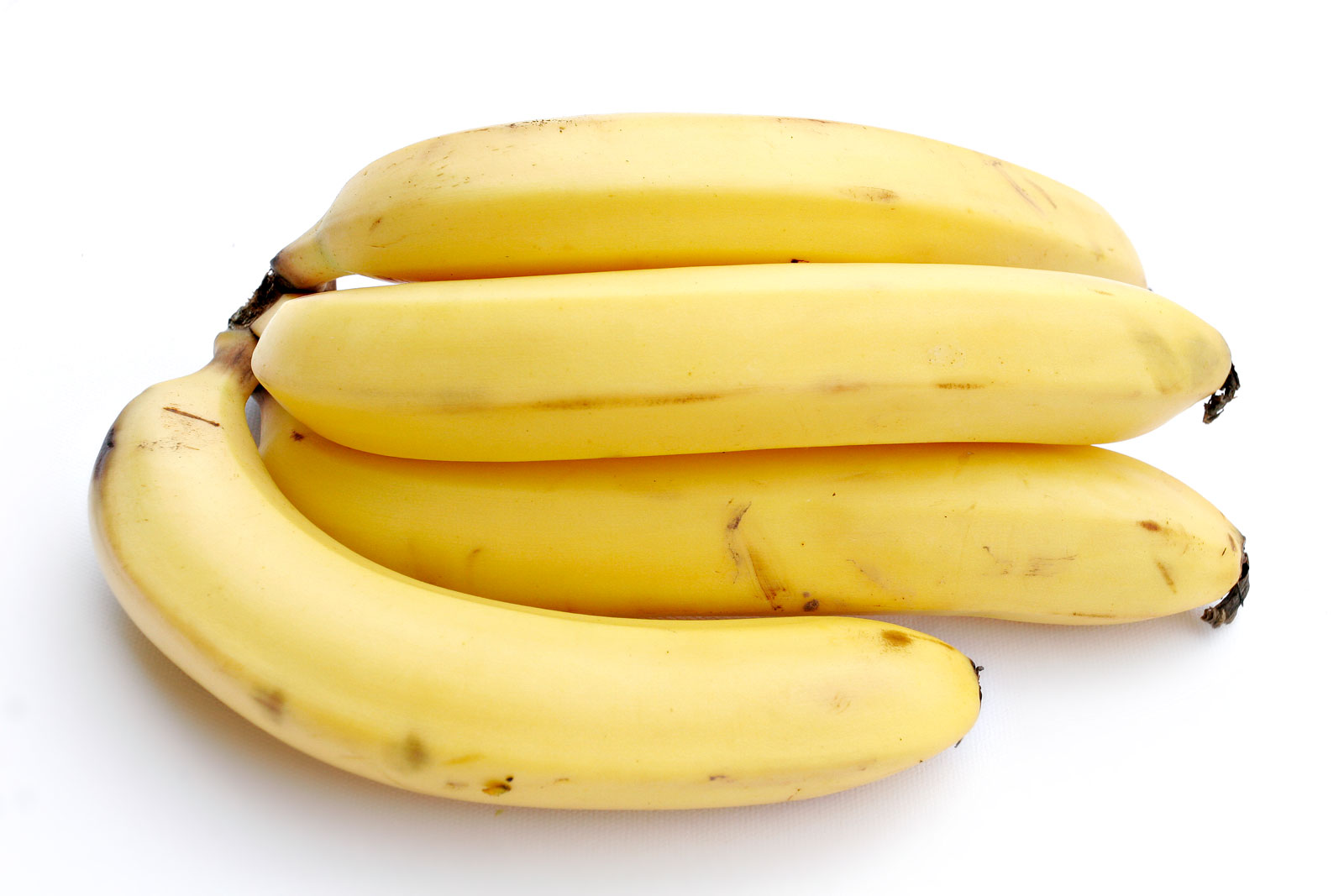
* Banana egg replacer: 1/2 banana blended or well mashed = 1 egg (when a fruit flavor is acceptable)
* Egg substitutes such as Orgran's 'Egg substitute mix'
* Ener-G Egg Replacer: by Ener-G Foods; free of gluten, wheat, casein, dairy, egg, yeast, soy, nuts and rice, low-protein
* Flax seed egg replacer: 2 Tablespoons flax seed powder + 3 Tablespoons water = 1 egg (let sit a few minutes before adding to baking)
* Psyllium egg replacer: 1 Tablespoon Psyllium seed husks + 2 Tablespoons water = 1 egg (the longer they sit in water the "eggier" they become)
* Tofu: 1/4 cup blended soft or silken tofu = 1 egg
* Tahini - thicker when raw, more egg like when diluted with water and stirred vociferously
* Whole peanut butter - see Tahini
For cooking
* Tofu - scrambled tofu which is similar to scrambled eggs when cooked and seasoned properly
Dairy alternatives
Plant milks
Main article: Plant milk
* Almond milk
* Banana milk
* Coconut milk
* Grain milks - oat milk, rice milk, quinoa milk
* Hemp milk
* Oat milk
* Peanut milk
* Rice milk
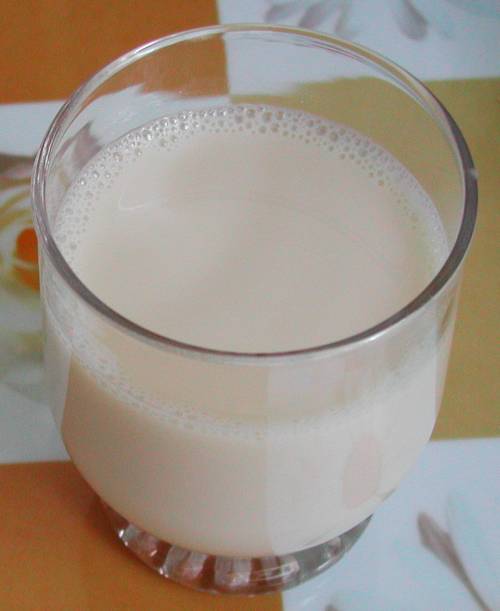
* Soy milk
See also: Wikibooks Cookbook category for Nut and Grain Milk recipes
Make your own grain, nut or seed milk: Soak whatever you want your base nutrient to be (almonds, pecans, oats, rice, quinoa, etc.) then blend with that water and a natural sweetener like dates or banana.
Cheese
* Soy cheese (casein-free) - popular brands include Tofutti, Sheese, Redwood's Cheezly and Earth Island/Follow Your Heart
* Tofu ricotta (savory) - a homemade ricotta substitute made with tofu. It usually contains lemon juice, olive oil, and sea salt and may also contain seasonings such as garlic and/or onion powder, or other herbs, spices or sweeteners and is used in lasagne and other Italian cuisine.
* Tofu ricotta (sweet) - a homemade ricotta substitute made with tofu and sweetener that may be used in desserts such as cheesecakes or parfaits.
* Nutritional yeast - a flavorful powder that, when combined with liquid or blended with liquid and cashews (and other nuts) makes a cheese-like sauce. It can also be sprinkled on like parmesan.
Ice cream and frozen desserts
* Dairy-free ice cream - popular brands include , , Tofutti (Tofutti Cuties frozen dessert sandwiches, Premium pints, stick bars and pops), Wheeler's Black Label, Soy Dream, Swedish Glace,Rice Dream or Temptation
* Granita
* Ice pops - frozen fruit juice bars, vegan popsicles
* Sorbet
* Vegan sherbet - made with fruit juice and a non-dairy milk such as vanilla almond milk, rice milk or soy milk
* Banana pie - mash soft bananas with any chopped dried fruit, seeds and nuts; whip together into a mixture and freeze until pie-like.
Yogurt
* Soy yogurt - check label; some have milk derived ingredients
* Nut yogurts - make your own by soaking and blending (cashews, almonds, walnuts, hazelnuts, brazil nuts, pecans)
* Sweet Tahini - add natural sweetener like agave nectar, maple syrup, honey, or date syrup (silan) to raw tahini
Sweeteners
Main article: List of unrefined sweeteners
Dry
* Cane sugar - unrefined sugarcane or refined without using animal bones
* Beet sugar
* Date sugar
* Stevia powder (can also be found in whole leaf or liquid form)
Liquid
* 100% Fruit juice concentrate
* Agave nectar
* Barley malt syrup
* Brown rice syrup
* Maple syrup - make sure it's not processed with animal products. A defoamer is used which may be made from an animal oil, a synthetic oil which is animal-derived, or a vegetable oil.
* Molasses
Honey substitutes
* Agave nectar
* Maple syrup - make sure it's not processed with animal products. A defoamer is used which may be made from an animal oil, a synthetic oil which is animal-derived, or a vegetable oil.
* Rice syrup
Beverages
* Water
* Fruit juice
* Fruit smoothies
* Plant milks (See above) - made from nuts, seeds, legumes, or grains, such as almonds, soy, oats or rice
* Tea
* Vegan wine
* Vegetable juice
Staple foods
* Beans or Legumes
* Bread - free of eggs and dairy products
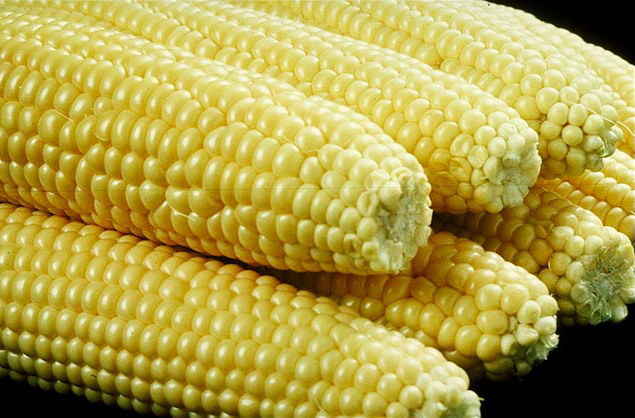
* Corn
* Couscous
* Gluten
* Pasta - free of eggs
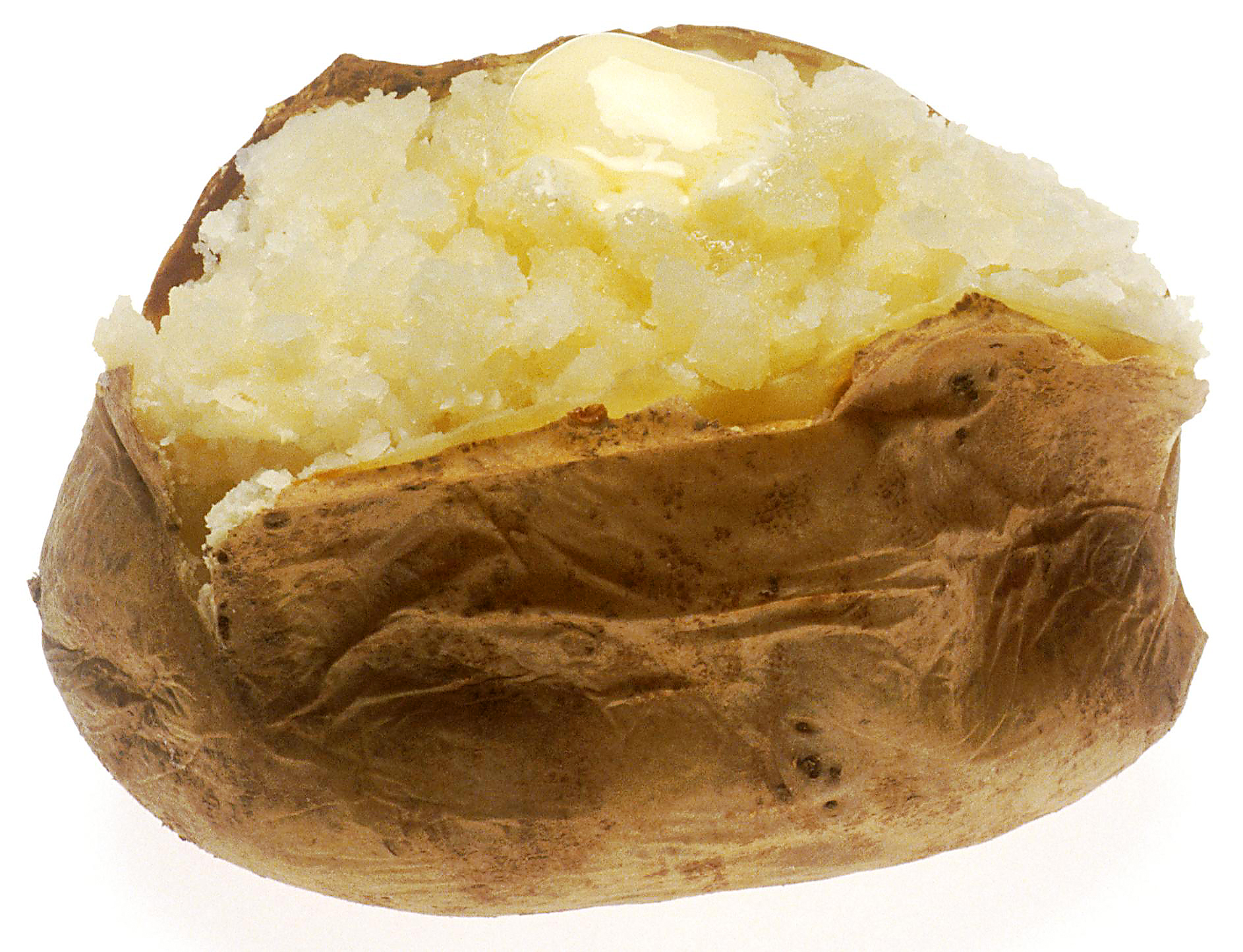
* Potatoes
* Quinoa
* Rice
* Soy
* Spelt
Condiments
Butter or margarine
* Nucoa® Real™ Margarine, Earth Balance products - such as Natural Buttery Spread - non hydrogenated, no trans fatty acids; also good for baking
Mayonnaise
* Nayonaise - by Nasoya
* Vegenaise - by Follow Your Heart
Salad dressings
* Follow Your Heart Organics and Fresh & Naturals - only some of their salad dressings are vegan
* Nasoya- Vegi-Dressing -Creamy Italian, Thousand Island, and others
Other
* Vegan Worcestershire sauce - free of anchovies
Snacks
* Applesauce
* Corn chips
* Corn nuts
* Dried fruit
* Fresh fruit
* Granola bars
* Hummus and pita bread or tortilla chips
* Mixed nuts
* Nuts
* Popcorn
* Potato chips - Plain, salted, non-dairy varieties. Some companies may add chicken fat, such as Baked! Lay's KC Masterpiece BBQ Flavor Potato Crisps , so as always read the labels.
* Pretzels
* Pumpkin seeds
* Sunflower seeds
* Tortilla chips
* Trail mix
* Vegan baked goods (See below)
Baked goods
Bread
* Biscuits
* Pita bread
* Sourdough bread
Other
* Baked desserts (See Below)
Desserts
* Fresh or baked fruit
* Vegan baked goods
:* banana bread or other quick breads
:* bars
:* cakes
:* chocolate brownies or other flavors
:* cookies
:* doughnuts
:* muffins
:* pies and tarts
* Vegan Ice cream and frozen desserts (See above)
* Vegan pudding, custard, or mousse
Alphabetical index of plant-based whole foods
A
* Adzuki beans
* Alfalfa sprouts
* Almonds
* Amaranth
* Apple
* Apricot
* Artichoke
* Arugula
* Asparagus
* Avocado - see also Hass avocado
* Azuki beans
B
* Bamboo shoots
* Banana
* Barley
* Beans
* Bean sprouts
* Beets
* Bell pepper
* Berries
* Black bean
* Black-eyed peas
* Blackberries
* Blueberries
* Bok choy
* Boysenberries
* Brazil Nut
* Broccoli
* Brown rice
* Brussels sprouts
* Buckwheat
* Butter beans
* Butternut squash
C
* Cabbage
* Cantalope
* Carrot
* Carob
* Cashews
* Cauliflower
* Cereal
* Celery
* Chard
* Cherries
* Cherry tomatoes
* Chickpeas
* Chinese cabbage
* Coconut
* Corn
* Cranberries
* Cucumber
D
* Daikon
* Dates
* Dulse
E
* Edamame
* Eggplant
* Endive
F
* Fava bean
* Figs
G
* Garbanzo beans
* Garlic
* Gim
* Ginger
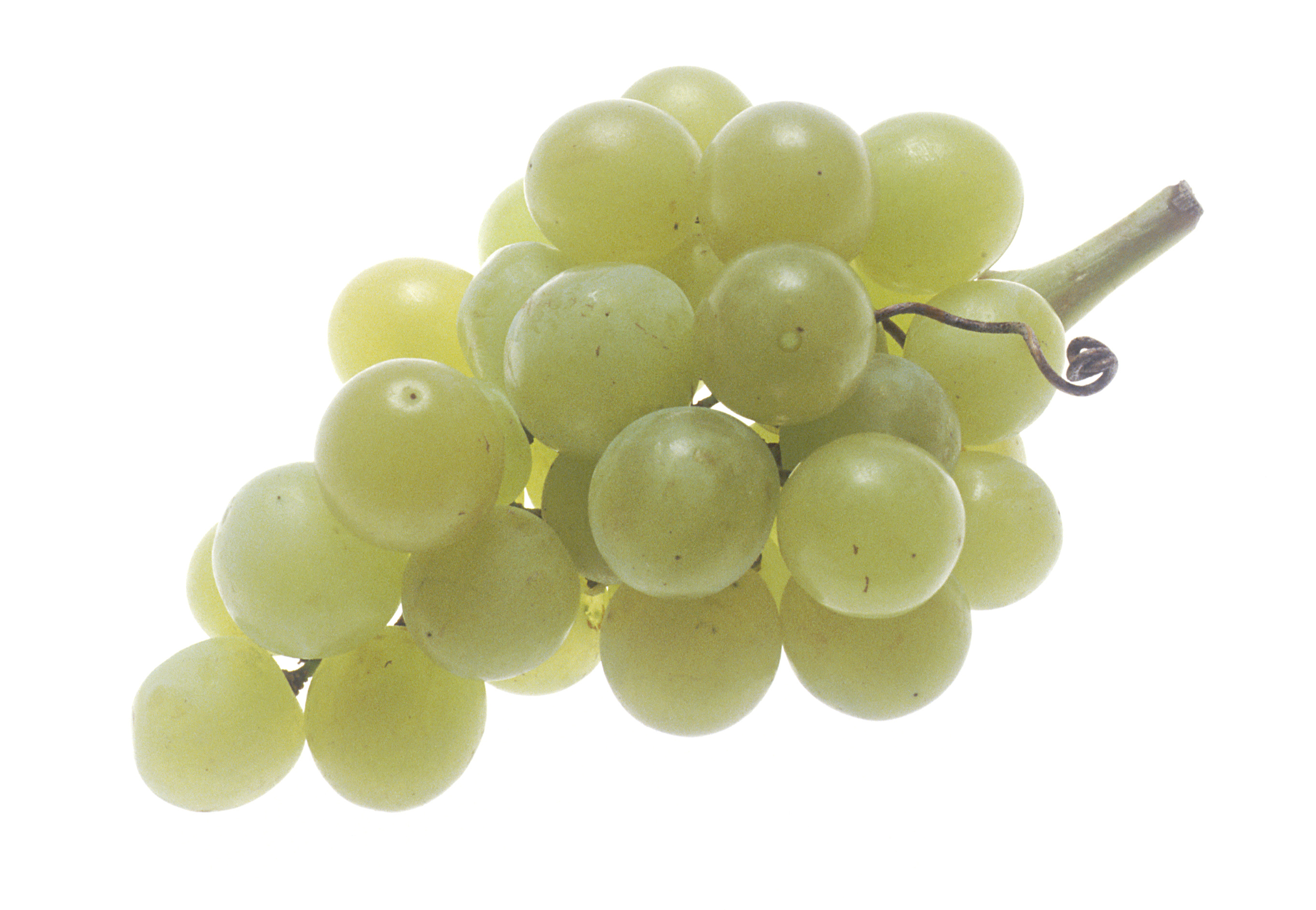
* Grapes
* Grapefruit
* Green beans
* Guava
H
* Hass avocado
* Hazel nuts
* Honeydew melon
* Huckleberries
K
* Kale
* Kiwifruit or Kiwi
* Kombu seaweed
L
* Leeks
* Lemon
* Lentils
* Lettuce
* Lima beans
* Lime
M
* Mandarin orange
* Mango
* Melon
* Millet
* Mung beans
* Mushrooms
* Mustard Greens
N
* Nectarine
* Nori seaweed
* Nuts
O
* Oats
* Olives
* Onion
* Oranges
P
* Papaya
* Parsnip
* Peas
* Peach
* Peanuts
* Pear
* Pecans
* Pepitas
* Persimmon
* Pine nuts
* Pineapple
* Pinto beans
* Pistachios
* Plantain
* Plum
* Pomegranate
* Potato
* Pumpkin
* Pumpkin seeds
Q
* Quinoa
R
* Radish
* Raisins
* Raspberries
* Rice
* Rutabaga
S
* Seaweed
* Seeds
* Sesame seeds
* Shallots
* Soybeans
* Spelt
* Spinach
* Split peas
* Squash
* Strawberries
* Sunflower seeds
* Sweet potato
T
* Tangerine
* Tomato
* Triticale
* Turnip
W
* Wakame
* Walnuts
* Water chestnuts
* Watermelon
* Wheat
* Wild rice
Y
* Yams
* Yellow crookneck squash
Z
* Zucchini




The Coalition for Diversity is the group that regulates the diversity of the student body and faculty of Boalt Hall, Law School. It was re-founded in 2000 from the group then known as the Coalition for a Diverse Faculty and Student Body. Its major aim is to overturn the effects of Proposition 209, which prohibits public institutions from discriminating on the basis of race, sex or ethnicity.
It sprang up in the depressed, yet oppressive, atmosphere of a post-affirmative action California. While the Coalition's original mission was one of racial justice, it quickly evolved into a group that fought for greater inclusiveness for all marginalized communities including women, lesbian, gay, bisexual and transgender communities, as well as persons with disabilities and the socio-economically oppressed.
The group struggled to find a foothold under a hostile law school administration, but eventually went on to foster greater communication between students of color, to put into place mechanisms of student governance that embraced a more diverse student body, to make strong fundraising recommendations that led to a stronger social justice and public interest presence at the law school, to implement administrative changes leading to the hiring of more diverse faculty members, and finally to inspire law student involvement in the Grutter v. Bollinger case which determined the future of affirmative action in the Supreme Court of the United States. Specifically, the Coalition dealt with the question of "How to use the Master's Tools without Becoming the Master?" While no answer to this question has been found completely satisfactory, the Coalition was forged in the heat of different types of activism. Student activists struggled between embracing a more traditional civil rights route of systematic and systemic legal approaches AND taking the renowned "black-armband approach" which required both fluidity and a certain chaos.
The Coalition was a hotbed of identity issues, including forcing different communities to engage with the issues concerning privilege, racism, classism, homophobia and sexism in other people's communities. Today, the Coalition still has a presence at the UC Berkeley campus which, while it wanes in times of indifference, is always ready to become strong whenever its membership feels inspired by a sense of injustice. The Coalition for Diversity is a symbol for law students everywhere that the law itself is carried by the spirit of the people the law governs. By requiring the hard work of examining the self and differences within selves, the Coalition was ultimately a training ground for future leaders in the movement of justice.
Links
Coalition for Diversity Homepage
In the Dungeons & Dragons fantasy role-playing game, the Thrum Worm is a Magical beast. They are an unusual, giant breed of worm used by gnomes as mounts.
Physical Description
Thrum Worms grow to around 8-10 feet long and weigh up to 200 pounds when fully grown. They are segmented. They have dry, rubbery, orange-brown hides and smell of soil. Their heads are somewhat snake-like, but are not sinister or sly looking, instead being somewhat docile and natural looking. A Thrum Worm's mouth has two rows of very small teeth that it can tuck inside its mouth when shooting its sonic ray.
Society
Thrum Worms are unusual, slow-moving worms often used by specialized gnome cavalry. The gnomes take advantage of the worms' burrowing abilities in several ways. In times of peace, they use their unique mounts to find ore and mineral deposits, and in times of war, they burrow behind enemy lines and infiltrate enemy encampments.
A Thrum Worm can be trained with the use of the Handle Animal skill. Riding a Thrum Worm requires an exotic saddle or a specialized burrower's saddle. They are somewhat easier to tame and ride than other Magical beasts.
Combat
Thrum Worms generally avoid combat when they can. When forced to fight by a burrowing predator or when directed to fight by a rider or handler, the Thrum Worm relies on its sonic ray as its primary attack form.
The sonic ray can be fired from a Thrum Worm's mouth once per day, with a range of 30 feet and no range increment.
Cameron Loewenstein (born Oct 6, 1982) is a 25-year old film editor, based in Hollywood, California. Cameron grew up in various parts of Moreno Valley, CA, before attending high school at St. Helena High in the Napa Valley region of California. After attaining his BFA in Film Editing from the Academy of Art University in San Francisco, he has worked for a number of years cutting various projects in Los Angeles, primarily shorts and feature length films, with the occasional music video thrown in every now and then. Often working alongside long time friend and Sundance Film Festival award-achieving cinematographer Ian S. Takahashi, he is dedicated to the editing form. In 2005, he and his comrades collaborated with Bobcat Goldthwait on the feature film "Sleeping Dogs Lie" (then called "Stay"), an Official Selection at the 2006 Sundance Film Festival. In 2006 he won the Elevate Film Festival's award for "Best Editing" in the narrative category for the short piece "Player's Club." Also that year, he was the author of an article in volume 14 of Digital Video Magazine on Noise Industries' AVX plug-in package entitled "Factory Tools" for Mac-based Avid NLEs. In 2007, he was the editor for a feature film documentary "Tom Sawyer's Funny Business" about the early stand-up comedy scene in the late 70s of San Francisco, CA. He is currently putting the finishing touches on a feature film tentatively entitled "Faux," due to debut later in 2008.