
Icelandic floods are primarily caused by glacial dynamics and volcanic activities. It comprises various phenomena, including jökulhlaups, river floods, and coastal flooding. Jökulhlaups are the most significant type of flood in Iceland. They occur when water is rapidly released from beneath glaciers, often triggered by volcanic activity or geothermal heating. The 2015 Vatnajökull event is an example of this type of flood, which produced peak discharges of 900,000 cubic meters per second. Iceland has experienced approximately 60 major floods since the 9th century.
Floods in Germany are a common phenomenon that causes significant economic damage and loss of life. Heavy rainfall, exceeding 100 mm within 24 hours, can lead to rapid rises in water levels, causing floods. The Rhine, Elbe, Danube, and Moselle rivers are prone to flooding due to their proximity to the Alps and dense tributary network. According to the German Federal Ministry of the Interior, Building, and Community (BMI), floods have caused an average of €1.3 billion in damages annually between 1990 and 2019.
Flooding in Eritrea is primarily caused by the Gash River and other rivers originating from the Ethiopian Highlands, such as the Atbara and Tekeze (also known as the Setit) rivers. Between 2003 and 2006, several flood events have occurred, resulting in fatalities, displacement, and damage to infrastructure and agriculture. Eritrea's climate is semi-arid, characterized by a main rainy season from June to September and a shorter rainy season from March to May. Heavy rainfall during these periods can cause river overflow, leading to flooding, particularly in low-lying areas.
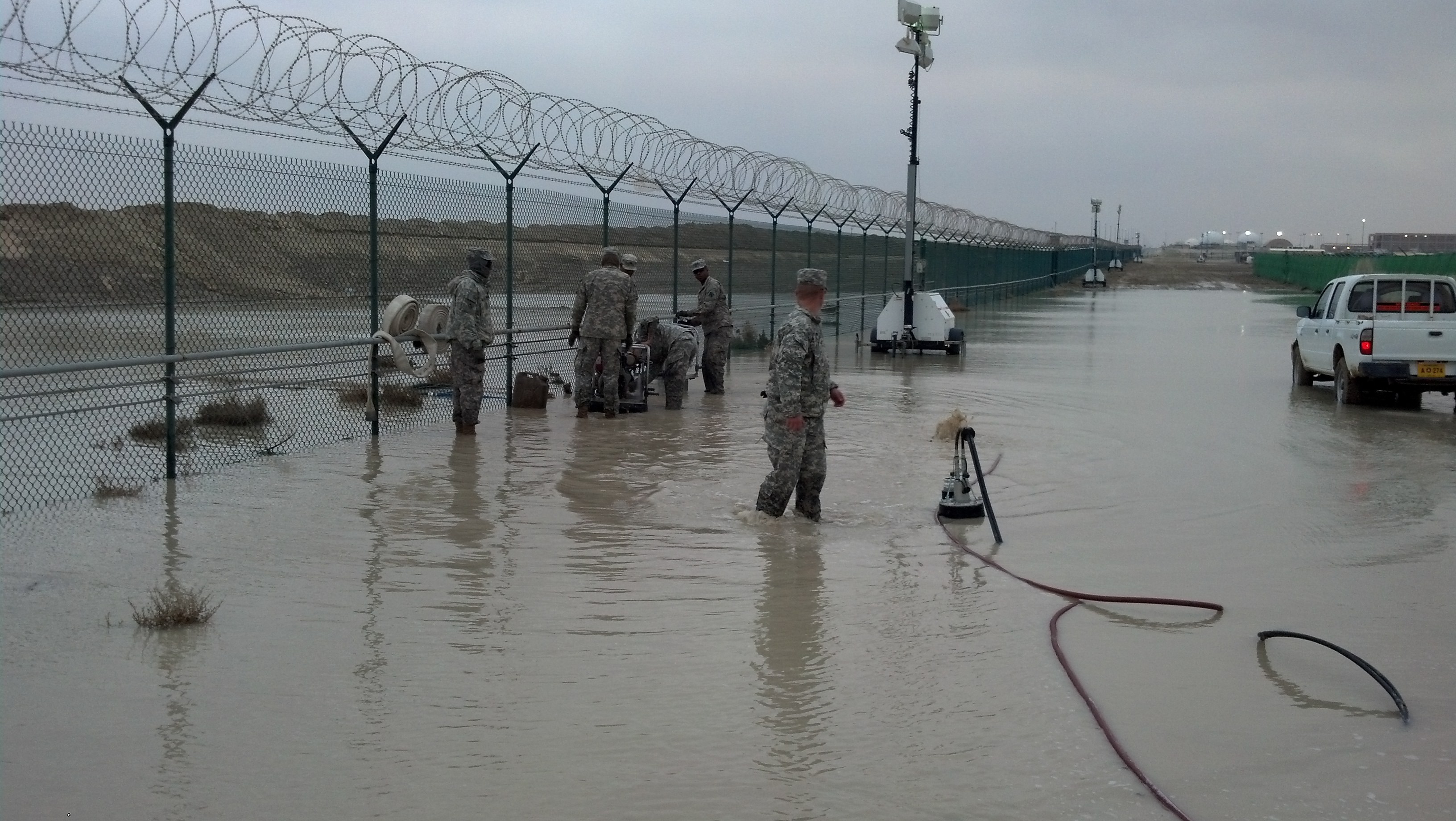 Flooding in Kuwait is primarily caused by sudden heavy rainfall, which leads to rapid surface runoff due to the desert terrain and inadequate drainage infrastructure. The Kuwait Meteorological Center is responsible for monitoring weather conditions and issuing warnings for extreme weather events, including floods. While the average annual rainfall in Kuwait is approximately 100 mm, flash floods can occur when intense rainfall exceeds the drainage capacity of urban areas, posing risks to the population and infrastructure.